
Liberia Ministry: 3,018 GBV Cases in 2025 Highlight Crisis
Summary
- Liberia's Ministry of Gender, Children and Social Protection reported 3,018 gender-based violence cases in 2025, including 2,128 rapes.
- An additional 1,302 GBV cases were recorded in the first half of 2026, indicating a continuing crisis.
- The Ministry warns against informal settlements for GBV cases, stating they undermine justice and allow perpetrators to escape accountability.
- Government interventions in 2025-2026 included strengthening response centers, expanding a call center, and renovating safe homes for survivor protection.
- These efforts align with the 2026 16 Days of Activism campaign, emphasizing justice for survivors and accountability for perpetrators.
Escalating Crisis and Underreported Realities
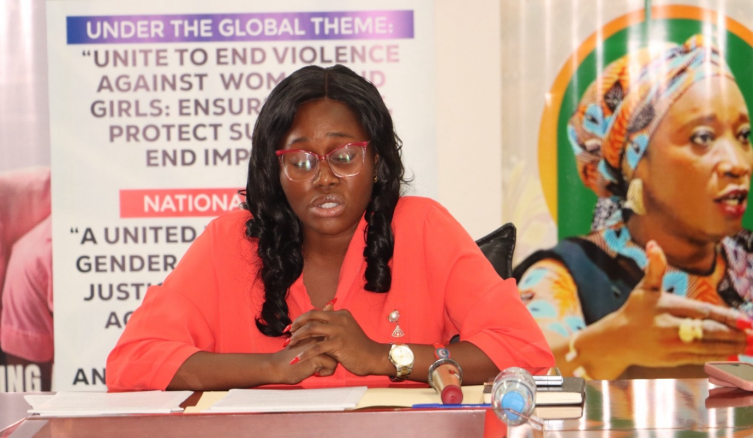
A representative speaking on behalf of Gender Minister Gbeme Horace-Kollie emphasized that survivors must no longer endure blame, silence, intimidation, or pressure to accept informal settlements.
The Ministry of Gender, Children and Social Protection in Liberia has revealed a significant number of gender-based violence (GBV) incidents, with 3,018 cases documented in 2025 alone. This alarming figure includes 2,128 reported rape cases, underscoring the severe and ongoing challenges facing women and girls across the nation. The data highlights a persistent threat that demands urgent attention and strengthened mechanisms for justice and accountability.
Further reports from the Ministry indicate that an additional 1,302 GBV cases were recorded during the first two quarters of 2026, signaling that the crisis continues unabated. Despite these substantial Liberia Gender-Based Violence statistics, the Ministry acknowledges that the true scope of the problem is likely far greater. Many survivors face significant barriers to reporting abuse, including societal stigma, fear of retaliation from perpetrators, economic dependency, and pressure from family members. Victim-blaming attitudes and a lack of awareness regarding available reporting channels further contribute to the underreporting of these critical incidents.
Governmental Response and Support Systems
In response to the pervasive issue of gender-based violence, the Liberian government has implemented several initiatives aimed at bolstering Liberia survivor protection and enhancing the national response. Throughout 2025, efforts were concentrated on strengthening the operational capabilities of Integrated Response Centers, which are designed to offer comprehensive medical, psychosocial, legal, and protective services to survivors. The National GBV 116 Call Center also expanded its reach during this period, successfully handling over 1,000 calls and facilitating crucial referrals, emergency aid, and access to essential support services for those in need.
Additional governmental interventions in 2025 included the distribution of vital psychosocial support materials to safe homes and One-Stop Centers across all 15 counties, alongside the provision of reunification kits for survivors. Emergency funding was also allocated to address urgent GBV cases, and safe homes in six counties underwent renovations to create safer and more supportive environments for individuals seeking protection. Continuing these efforts into 2026, the Liberia Women Empowerment Project (LWEP) sustained its support for women's economic empowerment and community-based violence prevention initiatives, benefiting 11,925 women and 2,539 men. Early in 2026, the National Youth GBV Taskforce was launched to foster youth leadership, promote secure reporting methods, and encourage active participation from young people in preventing and responding to gender-based violence. The 2025 National GBV Conference also served as a key platform for fostering collaboration among governmental bodies and development partners.
A Renewed Push for Formal Justice
The Ministry of Gender, Children and Social Protection Liberia is intensifying its call for robust national action to eradicate violence, safeguard survivors, and ensure perpetrators face justice. A representative speaking on behalf of Gender Minister Gbeme Horace-Kollie emphasized that survivors must no longer endure blame, silence, intimidation, or pressure to accept informal settlements. Such informal resolutions, the Ministry warns, undermine survivors' rights and their access to formal justice, while simultaneously eroding confidence in the legal system and allowing perpetrators to evade accountability for their actions.
This firm stance highlights a critical shift towards formal legal processes for GBV accountability Liberia, moving away from traditional or community-based resolutions that often fail to deliver true justice. The Ministry's message is clear: the preference for informal settlements must cease, as it perpetuates impunity and hinders the comprehensive protection of survivors. This renewed focus aims to ensure that every reported case, including the Liberia 3018 GBV cases 2025, receives the formal legal attention it deserves.
The Broader Fight Against Gender-Based Violence
These disclosures and calls for action coincide with Liberia's observance of the 2026 16 Days of Activism Against Gender-Based Violence campaign, an annual global initiative observed from November 25 to December 10. This year's global theme, “UNITE to End Violence Against Women and Girls: Ensure Justice, Protect Survivors, End Impunity,” is echoed by Liberia’s national theme: “A United Liberia Against GBV: Justice for Survivors, Accountability for Perpetrators and an End to Impunity.”
The 2026 observance marks the 35th anniversary of the global campaign and the 25th year of Liberia’s participation, which began in 2001. The campaign serves as a crucial platform to mobilize governments, civil society organizations, development partners, and communities to intensify collective efforts aimed at eliminating violence against women and girls.
Practical Implications
Lawyers in Liberia should anticipate increased governmental and public pressure for formal prosecution and accountability in GBV cases, potentially leading to stricter enforcement and reduced tolerance for informal settlements. Compliance officers should review internal policies regarding gender-based violence and survivor support, ensuring alignment with national efforts to strengthen justice mechanisms.
Source
How does this affect you?
Get an AI analysis of this article grounded in your jurisdictions, practice areas, and any policy documents you've uploaded to Wansom.
Finish Reading the Full Story and the Expert Analysis.
Get the latest legal & regulatory intelligence in Liberia
Wansom is AI and can make mistakes.