
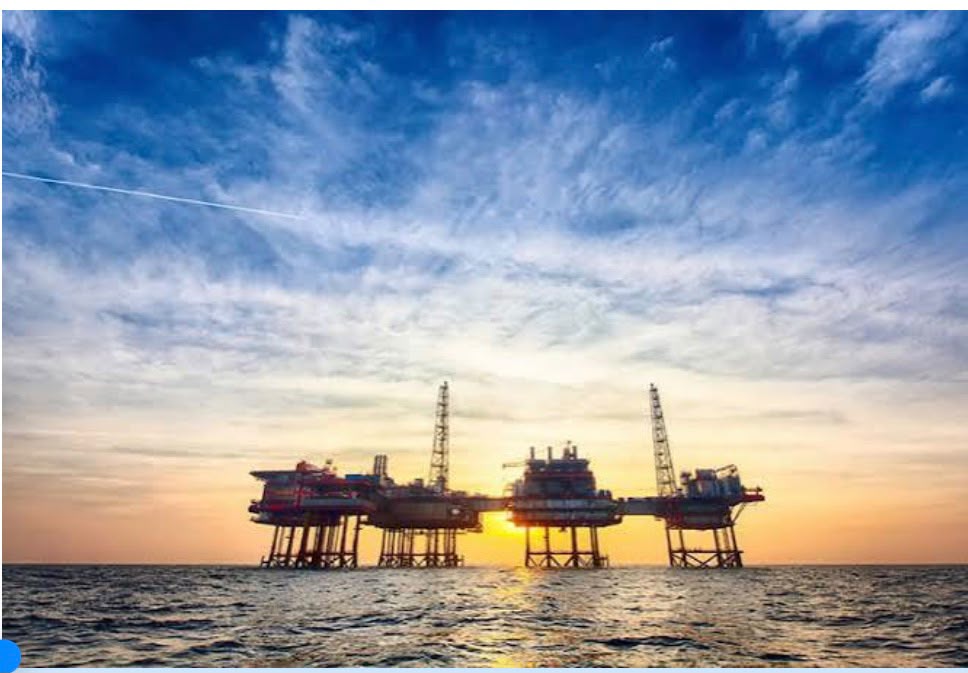
Liberia: Launches 2026 Offshore Licensing Round for 15 Blocks
Summary
- Liberia has launched its 2026 Offshore Direct Negotiation Licensing Round, offering 15 petroleum blocks in the Liberia and Harper Basins.
- The Liberia Petroleum Regulatory Authority is seeking international investment for oil exploration, with letters of intent due by April 15, 2027.
- Concurrently, Liberia's NDC 3.0 commits to establishing two marine protected areas and four co-managed fisheries areas by 2035.
- Environmental experts warn that offshore oil exploration activities, including seismic surveys and drilling, pose significant risks to marine ecosystems and food chains.
- The interconnected nature of marine environments means that impacts from exploration could be widespread, despite Liberia having no reported major oil spills in its waters up to 2008.
New Offshore Exploration Opportunities
The nation's pursuit of offshore petroleum investment unfolds against a backdrop of significant environmental commitments, creating a complex landscape for potential investors.
The West African nation of Liberia has initiated its 2026 Offshore Direct Negotiation Licensing Round, presenting 15 offshore petroleum blocks to international investors. This move, spearheaded by the Liberia Petroleum Regulatory Authority (LPRA), commenced in October and seeks to attract significant exploration investment into the country's promising offshore petroleum potential. The offering includes 12 blocks situated within the Liberia Basin and an additional three in the Harper Basin, areas identified for their hydrocarbon prospects.
Companies interested in participating in this Liberia 2026 offshore licensing round are required to submit their letters of intent by April 15, 2027. The LPRA has made available comprehensive details regarding the specific blocks and the application procedures, aiming to streamline the process for prospective partners. This strategic initiative underscores Liberia's efforts to leverage its natural resources for economic development, positioning itself as a key player in the regional energy sector.
Environmental Commitments and Concerns
This push for Liberia oil exploration investment unfolds concurrently with global discussions on ocean protection at events like COP31 in Türkiye, where leaders are debating enhanced commitments to marine conservation. Notably, Liberia itself has pledged to expand its marine conservation efforts and safeguard coastal livelihoods. The nation's 2035 Nationally Determined Contribution, known as NDC 3.0, outlines specific targets, including the establishment of two marine protected areas and four co-managed fisheries zones by 2035.
Furthermore, Liberia's NDC 3.0 marine protection strategy commits to identifying endangered and vulnerable fish species, alongside mapping critical protection areas for these species by 2028. It also advocates for increased research into climate-related pressures on fisheries and the implementation of more robust management systems for fishing communities. These commitments highlight Liberia's profound reliance on its marine ecosystems, which are vital for food security, employment, and income, particularly for its coastal populations.
Potential Ecological Impacts
The environmental implications of offshore petroleum exploration are a significant concern, as articulated by Bruna Campos, Senior Campaigner, Offshore Oil and Gas at the Center for International Environmental Law. She emphasizes that activities inherent to oil exploration and production can adversely affect marine life through various mechanisms, including seismic surveys, the disposal of drilling waste, and the risk of accidental spills.
Seismic surveys, which employ powerful sound waves to map geological structures beneath the seabed, can disrupt marine mammals such as whales and dolphins. Beyond larger species, these impacts can extend to smaller organisms like zooplankton, which form the fundamental base of marine food chains. Campos warns that a reduction in zooplankton populations could have cascading effects throughout the wider marine food web, ultimately impacting fish stocks. Additionally, drilling operations can introduce muds and chemicals into the marine environment, while catastrophic events like blowouts, exemplified by the Deepwater Horizon disaster in the Gulf of Mexico, can release millions of barrels of oil, causing widespread devastation. The Deepwater Horizon incident resulted in the tragic loss of 11 workers and an 87-day oil leak.
Navigating a Complex Landscape
While Liberia possesses a history of offshore exploration, an October 2008 report from the International Tanker Owners Pollution Federation indicated no major oil spills in Liberian waters up to that date, though this record does not cover subsequent years. Despite this, experts like Campos stress that marine ecosystems are interconnected and cannot be isolated; environmental impacts from exploration in one area can be felt widely, as "in the marine environment there are no borders." This perspective underscores the broad ecological risks associated with such ventures.
The nation's pursuit of offshore petroleum investment unfolds against a backdrop of significant environmental commitments, creating a complex landscape for potential investors. Lawyers advising energy sector clients interested in Liberian offshore exploration must assess the significant environmental compliance risks, particularly concerning potential conflicts with Liberia's NDC 3.0 commitments to marine protected areas and endangered species protection, alongside the investment opportunity presented by the 2026 licensing round. The specific locations for Liberia's two planned marine protected areas have not yet been publicly disclosed, adding another layer of consideration for companies evaluating the Liberia offshore petroleum potential.
Practical Implications
Lawyers advising energy sector clients interested in Liberian offshore exploration must assess the significant environmental compliance risks, particularly concerning potential conflicts with Liberia's NDC 3.0 commitments to marine protected areas and endangered species protection, alongside the investment opportunity presented by the 2026 licensing round. Compliance officers should monitor the evolving regulatory landscape for offshore drilling and environmental safeguards in Liberia.
Source
Source: Original reporting via Mongabay
How does this affect you?
Get an AI analysis of this article grounded in your jurisdictions, practice areas, and any policy documents you've uploaded to Wansom.
Finish Reading the Full Story and the Expert Analysis.
Get the latest legal & regulatory intelligence in Liberia
Wansom is AI and can make mistakes.