
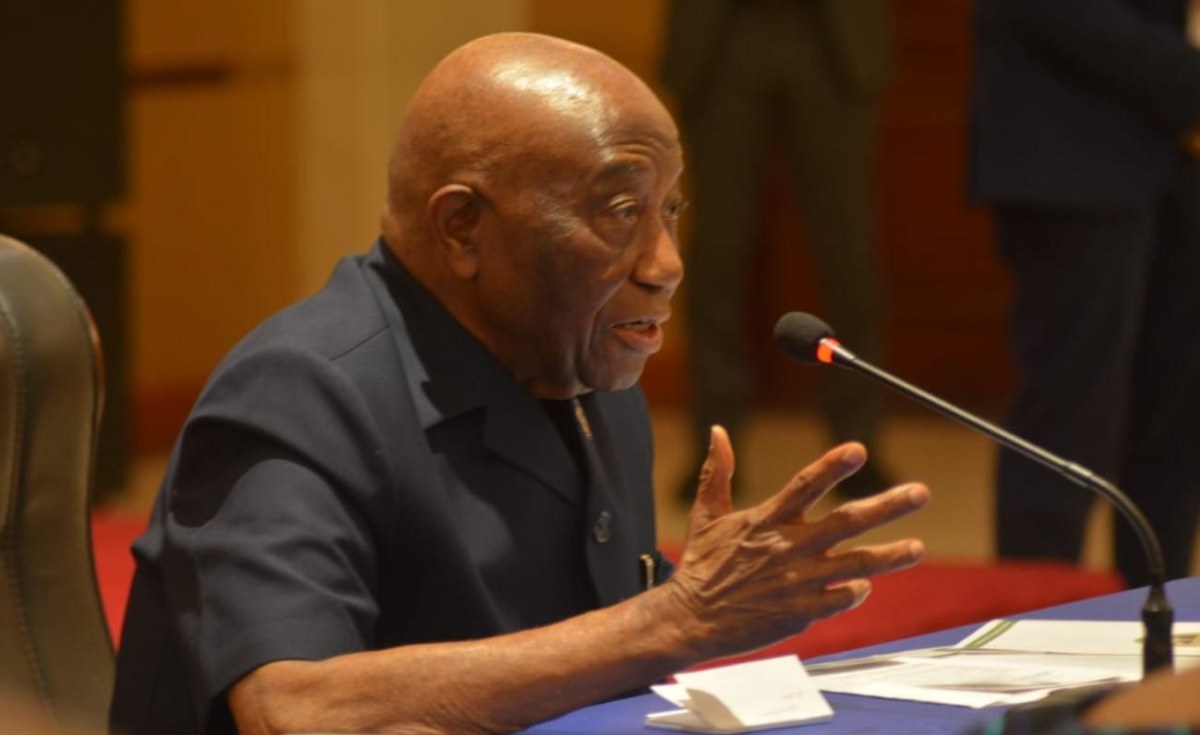
Boakai Administration: Faces Pressure Over US Deportee Deal Transparency
Summary
- The Boakai administration faces intense scrutiny over an agreement to accept up to 1,200 third-country nationals deported from the United States.
- Civil society organizations, including NAYMOTE and ABIC, demand transparency, legislative oversight, and an independent assessment of the deportee deal.
- Concerns are focused on an unverified US$5 million financial arrangement, national security, human rights, and the long-term costs of supporting the individuals.
- As of October 12, 2026, 36 individuals have reportedly arrived in Liberia under the terms of the agreement.
- Critics urge the government to amend, suspend, or terminate the deal if it fails to adequately protect Liberia's national interests.
Agreement Under Scrutiny
The ongoing civil society pressure underscores a critical need for the Boakai administration to provide comprehensive details regarding the financial, legal, and security implications of the Boakai US deportee deal Liberia.
The administration of President Boakai is currently facing considerable pressure to clarify the intricate details of an agreement that permits Liberia to accept up to 1,200 third-country nationals deported from the United States. This Boakai US deportee deal Liberia has drawn significant attention from civil society organizations demanding greater transparency and accountability regarding its financial, legal, and security ramifications.
The agreement, publicly announced on August 18, 2026, outlined a plan for Liberia to receive these individuals over a one-year period. The initial group of 20 deportees arrived just two days later, on August 20, 2026. Subsequently, another 16 individuals were reportedly transferred on October 12, 2026, bringing the total number of arrivals to 36. The government has publicly defended this Liberia US deportation agreement on humanitarian grounds, asserting that the individuals would be welcomed as guests of the Republic, with the legal option to depart or seek asylum under Liberian law.
Demands for Transparency and Oversight
Leading civil society groups, including NAYMOTE Partners for Democratic Development and the Angie Brooks International Centre (ABIC), are at the forefront of the campaign for enhanced transparency and legislative oversight concerning the Liberia deportee deal transparency. These organizations are also advocating for an independent assessment to determine Liberia's actual capacity to accommodate and integrate these individuals effectively.
Eddie D. Jarwolo, the Executive Director of NAYMOTE, formally communicated with Senator Abraham Darius Dillon, who chairs the Senate Committee on Foreign Affairs. In his communication, Jarwolo questioned whether the Legislature had adequately scrutinized the agreement before its implementation, highlighting a potential gap in the oversight process. The ongoing civil society pressure underscores a critical need for the Boakai administration to provide comprehensive details regarding the financial, legal, and security implications of the Boakai US deportee deal Liberia.
Unverified Funds and National Security Concerns
A central point of contention revolves around a reported US$5 million financial arrangement associated with the Liberia US deportation agreement, which remains unverified. Jarwolo specifically pressed for clarification on whether this alleged US$5 million, or any other form of financial or material assistance, had been received by the government. He also sought details on the conditions attached to any such funds and the safeguards in place to ensure transparent management, independent auditing, and public reporting of their use.
Beyond the financial aspects, significant concerns have been raised regarding national security implications deportees, the immigration status of the individuals, and the protection of their human rights. Additionally, civil society groups are highlighting the potential long-term costs that Liberia might incur for providing essential services such as housing and healthcare to the new arrivals, emphasizing the need for a thorough financial and logistical assessment.
Protecting Liberia's National Interests
The Angie Brooks International Centre (ABIC), under the leadership of Cllr. Dr. Yvette Chesson-Gibson, has cautioned against allowing humanitarian considerations to overshadow Liberia's economic, legal, security, and social capabilities. ABIC has called for explicit clarity on the duration of any external financial assistance, the tangible benefits Liberia stands to gain from the agreement, and who would ultimately bear the costs once such international support concludes.
ABIC has strongly recommended an independent multidisciplinary review of the agreement. The organization warned that a lack of adequate public information combined with existing economic hardship could potentially fuel public resentment and social tensions within the country. Consequently, ABIC urged the government to consider amending, suspending, or even terminating the agreement if an independent assessment determines that Liberia's national interests are not sufficiently protected by the current terms of the Boakai US deportee deal Liberia.
Practical Implications
Lawyers advising clients on international agreements or public finance in Liberia should note the significant civil society pressure for transparency and legislative oversight regarding the US deportee deal. This indicates a heightened risk environment for agreements lacking clear financial accountability, human rights protections, and national security assessments, potentially leading to future legal challenges or policy changes that could impact foreign relations and investment.
Source
Source: Original reporting via New Dawn
How does this affect you?
Get an AI analysis of this article grounded in your jurisdictions, practice areas, and any policy documents you've uploaded to Wansom.
Finish Reading the Full Story and the Expert Analysis.
Get the latest legal & regulatory intelligence in Liberia
Wansom is AI and can make mistakes.