
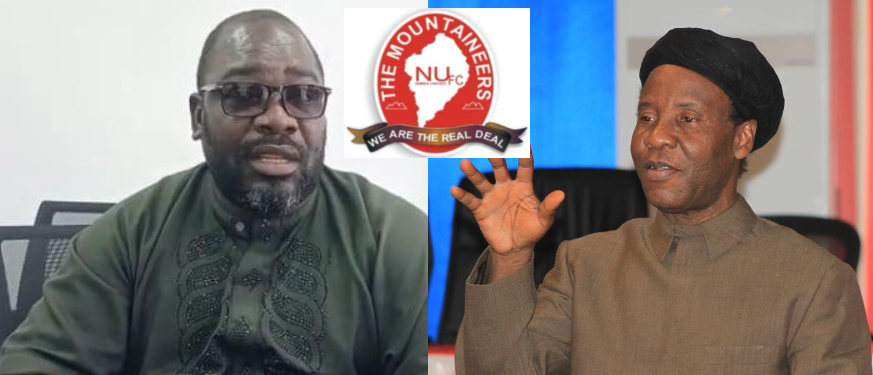
LFA Faces Demand to Halt Nimba United Admission Over Conflict-of-Interest
Emmett Stages Glassco, President of Senior Professional Sisters FC in Liberia, recently called on the Liberia Football Association (LFA) to suspend the administrative admission of Nimba United into the Second Division League, citing serious conflict-of-interest concerns involving the club’s owner, LFA Second Vice President Adolphus Dolo.
This situation highlights critical issues of governance, transparency, and the prevention of undue influence within sports administration, which carries broader implications for regulatory bodies and corporate entities across Liberia. The integrity of decision-making processes, particularly when standard merit-based pathways are bypassed, is at stake, potentially eroding public trust and the fairness of competition. For legal practitioners, this incident underscores the paramount importance of robust conflict-of-interest policies, stringent ethical conduct requirements for individuals in leadership roles, and transparent administrative procedures, especially within regulated industries or bodies that serve a significant public interest.
While the excerpt specifically references the Liberia Football Association (LFA) and its internal decision-making regarding league admissions, the underlying principles of conflict of interest are generally embedded in broader Liberian legal frameworks governing both public and private sector entities. These principles often derive from common law traditions and statutory provisions designed to prevent self-dealing, promote fair competition, and ensure accountability. Although no specific statutes are cited, the LFA, as a national governing body, would operate under its own constitution, bylaws, and potentially national sports laws or regulations that dictate ethical conduct, administrative fairness, and procedural due process. The Liberian court system, including the Civil Law Court or potentially administrative tribunals, could serve as avenues for challenging such administrative decisions if legal standing and sufficient grounds for judicial review are established, though the excerpt does not indicate any current judicial action.
The key parties involved in this matter are Emmett Stages Glassco, President of Senior Professional Sisters FC, who initiated the complaint; the Liberia Football Association (LFA), the governing body whose administrative decision is being challenged; Nimba United, the club whose admission is under scrutiny; and Adolphus Dolo, the owner of Nimba United and LFA Second Vice President, whose dual role is central to the conflict-of-interest allegations. The outcome of this matter is not yet reported, as the excerpt details Glassco's demand rather than a resolution or LFA response.
Attorneys and legal professionals in Liberia should closely monitor the LFA's response to these allegations, as any resolution or lack thereof could establish significant precedents for governance standards in sports and other regulated sectors. Businesses and organizations, particularly those with board members or executives holding dual roles or significant influence, should proactively review and strengthen their conflict-of-interest policies, disclosure mechanisms, and recusal protocols to prevent similar controversies. This incident emphasizes the critical need for clear, transparent, and consistently applied rules for all administrative processes, especially when they involve deviations from conventional, merit-based systems, to safeguard institutional credibility and ensure equitable treatment for all stakeholders.
How does this affect you?
Get an AI analysis of this article grounded in your jurisdictions, practice areas, and any policy documents you've uploaded to Wansom.
Finish Reading the Full Story and the Expert Analysis.
Get the latest legal & regulatory intelligence in Liberia
Wansom is AI and can make mistakes.