
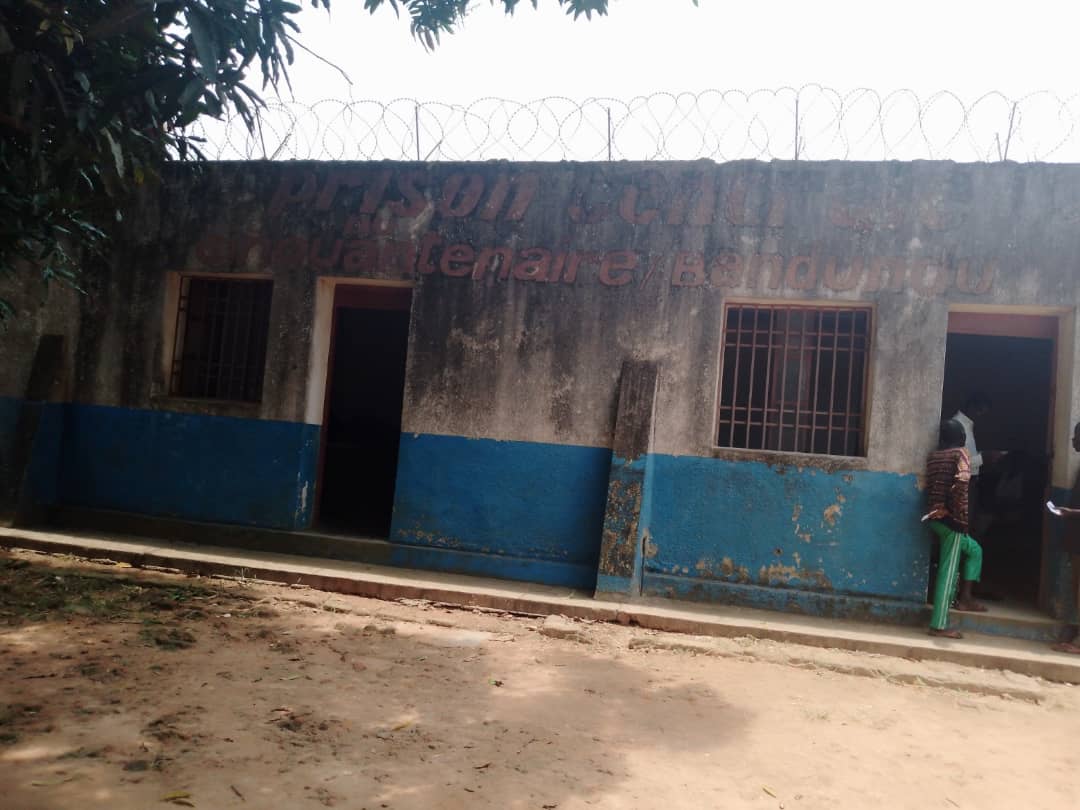
Kwilu Province: Cinquantenaire Prison Detainees Lack Food 5 Days
Summary
- Detainees at the central prison of Cinquantenaire in Kwilu province have reportedly been without food for five consecutive days.
- Local civil society organizations alerted the public to this critical situation on Thursday, October 8.
- The lack of food is attributed to a severe shortage of provisions at the correctional facility, not a hunger strike by the inmates.
- This incident highlights significant concerns regarding the conditions of detention and the fundamental human rights of detainees in the Democratic Republic of Congo.
Crisis Unfolds at Kwilu Prison
This severe breach of fundamental detainee rights could form the basis for various legal challenges and advocacy efforts.
The central prison of Cinquantenaire, located in the Kwilu province, is currently facing a severe humanitarian crisis, with its detainees reportedly deprived of food for a continuous period of five days. This alarming situation was brought to light by local civil society organizations on Thursday, October 8, raising urgent concerns about the welfare of those incarcerated within the facility. The lack of basic sustenance for such an extended duration points to a critical failure in the provision of essential services.
Crucially, this cessation of food supply is not the result of a hunger strike initiated by the inmates themselves. Instead, the local civil society has indicated that the core issue stems from a profound lack of provisioning within the correctional house. This means the problem of "prison Cinquantenaire Kwilu nourriture détenus" is an administrative and logistical failure rather than an act of protest, underscoring systemic challenges in maintaining adequate "prison Kwilu approvisionnement."
Dire Conditions and Human Rights Concerns
The reported absence of food for five days constitutes a grave violation of fundamental human rights for the detainees held at Cinquantenaire. International and national legal frameworks mandate that incarcerated individuals must be provided with adequate nutrition, and the current "conditions détention Cinquantenaire" fall far short of these basic standards. Such a prolonged deprivation can lead to severe health consequences, including malnutrition and increased vulnerability to illness, thereby exacerbating the already challenging environment of a correctional facility.
This incident underscores broader issues concerning "droits humains détenus RDC" and the state's responsibility towards its prison population. The local civil society's intervention highlights the vital role non-governmental actors play in monitoring and reporting on the conditions within detention centers, especially when official channels fail to ensure the well-being of inmates. The inability to secure basic "prison Kwilu approvisionnement" points to a systemic breakdown that demands immediate attention and accountability from relevant authorities.
Broader Implications for Justice in DRC
The "crise alimentaire prison RDC" exemplified by the situation at Cinquantenaire carries significant implications for the justice system and the rule of law in the Democratic Republic of Congo. When detainees are denied fundamental necessities like food, it not only impacts their physical health but also undermines the very principles of humane treatment and due process. This severe breach of fundamental detainee rights could form the basis for various legal challenges and advocacy efforts.
Lawyers specializing in human rights or criminal defense in the DRC should closely monitor this situation, as it could warrant habeas corpus petitions to challenge unlawful detention conditions, or broader human rights litigation against the state for failing its obligations. Furthermore, it provides a compelling case for advocacy aimed at improving prison conditions and demanding greater state accountability regarding prisoner welfare. The ongoing deprivation at Cinquantenaire prison serves as a stark reminder of the urgent need for comprehensive reforms to ensure that all individuals, regardless of their legal status, are treated with dignity and have their basic needs met.
Practical Implications
Lawyers specializing in human rights or criminal defense in the DRC should monitor this situation closely, as it indicates a severe breach of fundamental detainee rights and could form the basis for habeas corpus petitions, human rights litigation, or advocacy for improved prison conditions and state accountability regarding prisoner welfare.
Source
How does this affect you?
Get an AI analysis of this article grounded in your jurisdictions, practice areas, and any policy documents you've uploaded to Wansom.
Finish Reading the Full Story and the Expert Analysis.
Get the latest legal & regulatory intelligence in DR Congo
Wansom is AI and can make mistakes.