
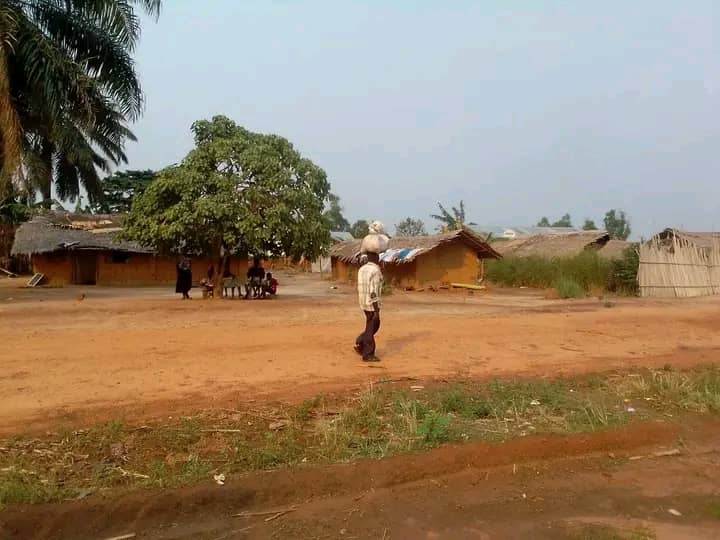
Kwamouth: Militias Illegally Install New Customary Chiefs
In the Kwamouth territory of Maï-Ndombe province, Democratic Republic of Congo, elements reportedly resistant to disarmament and demobilization have installed new customary chiefs in several villages earlier this week, challenging established traditional authority.
This development represents a profound challenge to the rule of law, state sovereignty, and the established administrative and customary legal order in the DRC. The installation of parallel customary authorities by armed groups undermines the legitimacy of the state-recognized traditional leadership structure, which plays a crucial role in local governance, land management, and dispute resolution. For legal practitioners, this creates significant uncertainty regarding land tenure, contractual validity, and the enforcement of local laws in affected areas. It also highlights the breakdown of state authority and the potential for legal vacuums or conflicting legal systems, making any legal or commercial activity in these regions highly precarious.
The DRC's Constitution (Article 207) and subsequent organic laws (e.g., Loi organique n° 10/011 du 18 mai 2010 portant organisation et fonctionnement des entités territoriales décentralisées, and specific decrees on customary chiefs) recognize and define the role of customary chiefs within the administrative structure, integrating them into the state's governance framework. Their authority is derived from both tradition and state recognition. The actions described directly contravene these legal provisions, constituting an illegal usurpation of power and a direct challenge to the state's monopoly on legitimate authority. The "Mobondo phenomenon" refers to ongoing inter-communal violence, often linked to land disputes and ethnic tensions, which further complicates the application of law and order. The call for security forces deployment underscores the state's responsibility to maintain public order and enforce its laws.
The key parties involved include the "elements réfractaires au désarmement" (militiamen), the legitimate customary chiefs (such as Stany Liie), the displaced populations, and the Government of the DRC, specifically its security forces and administrative authorities. The affected region is Kwamouth territory in Maï-Ndombe province.
Attorneys advising clients with interests in the Maï-Ndombe province, particularly in Kwamouth territory, must exercise extreme caution. They should advise against engaging in any transactions or activities that rely on the authority of these newly installed, unrecognized customary chiefs. Due diligence must be intensified to verify the legitimacy of any local authority involved in land deals, resource extraction, or other commercial activities. Practitioners should monitor the security situation and government efforts to restore state authority, as the legal validity of any actions taken under the auspices of these illegitimate chiefs would be highly questionable and subject to future challenge once state control is re-established. The outcome of this matter, specifically the state's response and the resolution of the conflict, is not yet reported.
How does this affect you?
Get an AI analysis of this article grounded in your jurisdictions, practice areas, and any policy documents you've uploaded to Wansom.
Finish Reading the Full Story and the Expert Analysis.
Wansom is AI and can make mistakes.