
Kenya Revenue Authority: Employee Charged Forging Degree, Ksh8.5M Fraud
Summary
- A Kenya Revenue Authority employee, Betty Akinyi Odongo, has been charged with forging a university degree certificate.
- Ms. Odongo is accused of fabricating a Bachelor of Arts in Counselling Psychology certificate from Maneno University.
- She also faces charges of fraudulently acquiring over Ksh8.5 million in public funds.
- Ms. Odongo appeared in court on Tuesday and denied all charges.
- The case highlights the KRA's active pursuit of internal fraud and financial misconduct.
Allegations Against KRA Employee
The charges specifically detail that Ms. Odongo is accused of fabricating a Bachelor of Arts in Counselling Psychology certificate and unlawfully obtaining a sum exceeding Ksh8.5 million, which constitutes public funds, through fraudulent means.
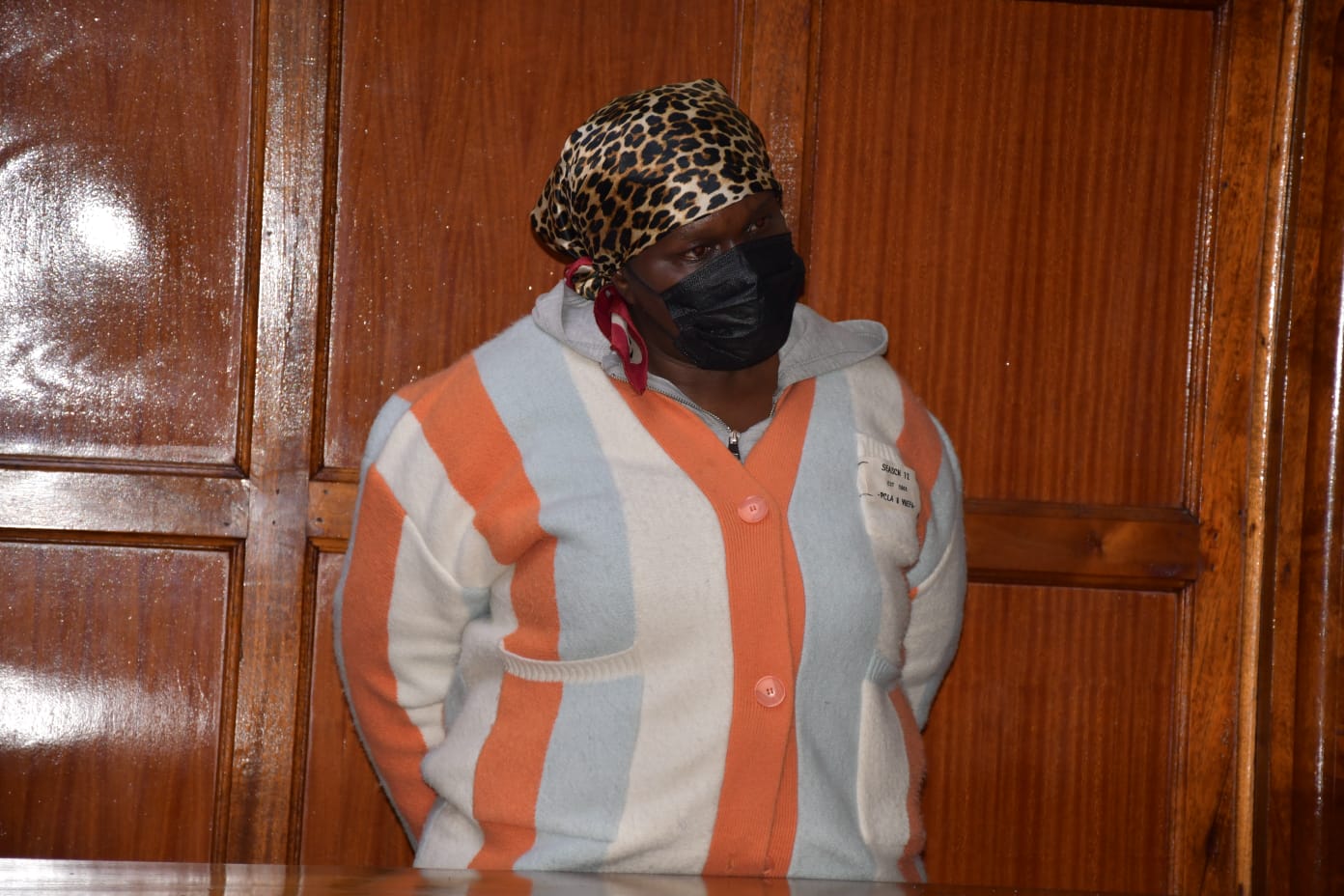
A Kenya Revenue Authority (KRA) employee, Betty Akinyi Odongo, recently faced charges in court concerning allegations of forging a university degree certificate and the fraudulent acquisition of public funds. Ms. Odongo appeared before the court on Tuesday, where she formally entered a plea of not guilty to the accusations leveled against her.
The charges specifically detail that Ms. Odongo is accused of fabricating a Bachelor of Arts in Counselling Psychology certificate. This document was purportedly issued by Maneno University. Additionally, the KRA employee stands accused of unlawfully obtaining a sum exceeding Ksh8.5 million, which constitutes public funds, through fraudulent means.
Nature of the Fraudulent Claims
The core of the prosecution's case revolves around the dual nature of the alleged misconduct: both academic forgery and significant financial fraud. The accusation of forging a degree certificate from Maneno University suggests a deliberate attempt to misrepresent qualifications, potentially to secure or maintain a position within the Kenya Revenue Authority.
This alleged academic deception is directly linked to the more substantial charge of fraudulently acquiring over Ksh8.5 million. The implication is that the fabricated credentials may have facilitated the illicit siphoning of public money, underscoring the serious breach of trust involved when an employee of a key public institution like the KRA is implicated in such schemes.
Legal Context and Public Trust
The charges against Betty Akinyi Odongo highlight the ongoing efforts to combat corruption and maintain integrity within Kenya's public service, particularly within critical institutions like the Kenya Revenue Authority. As an entity responsible for collecting national revenue, the KRA's operational integrity is paramount to public confidence and the effective functioning of government.
Cases involving KRA employees facing charges of fraud and forgery, especially when public funds are involved, send a strong signal about the scrutiny placed on civil servants. The denial of the charges by Ms. Odongo sets the stage for a legal process that will further examine the evidence and circumstances surrounding these serious allegations, reinforcing the legal framework designed to protect public resources and ensure accountability.
Significance for Institutional Integrity
The incident underscores the critical importance of robust verification processes for employee credentials and the continuous monitoring of financial probity within government agencies. When an employee is charged with both forging academic qualifications and misappropriating public funds, it raises questions about internal controls and the due diligence exercised during recruitment and throughout employment.
This case serves as a stark reminder of the potential vulnerabilities within large public organizations and the imperative for stringent oversight. The KRA's pursuit of such internal fraud signals a commitment to upholding its mandate and safeguarding the public's financial interests, even when it involves prosecuting its own personnel for alleged misconduct.
Practical Implications
This case highlights the KRA's active pursuit of internal fraud, signaling increased scrutiny on employee credentials and financial integrity. Compliance officers should review their organizations' due diligence processes for verifying academic qualifications and financial probity, particularly for roles involving public funds, to mitigate similar risks.
Source
How does this affect you?
Get an AI analysis of this article grounded in your jurisdictions, practice areas, and any policy documents you've uploaded to Wansom.
Finish Reading the Full Story and the Expert Analysis.
Get the latest legal & regulatory intelligence in Kenya
Wansom is AI and can make mistakes.