
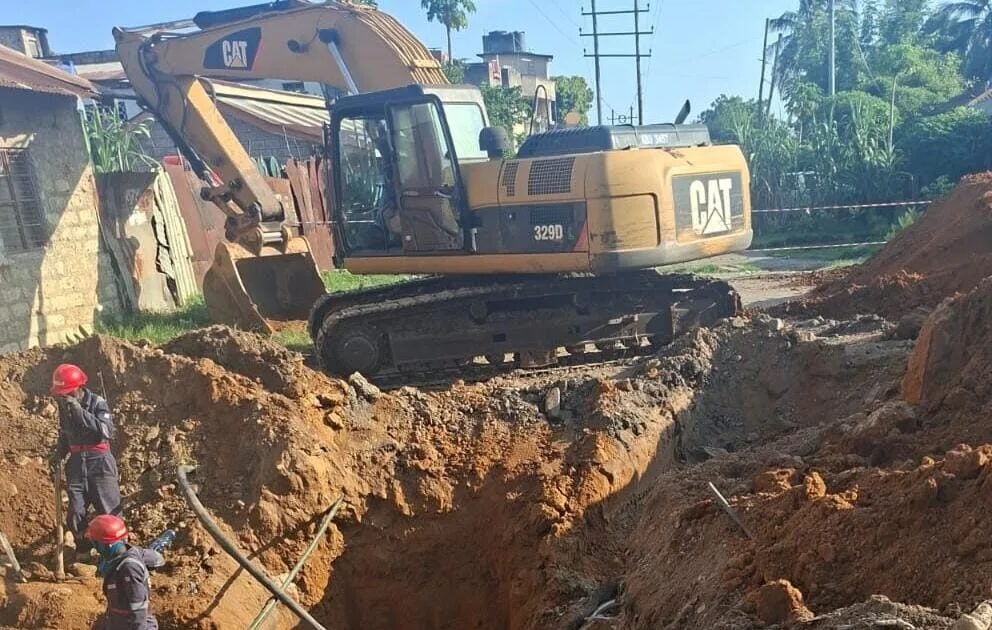
KPC Foils Mombasa Pipeline Siphoning: Illegal Connection Discovered
Summary
- The Kenya Pipeline Company (KPC) successfully foiled an attempt to steal petroleum products from a pipeline in Mombasa County.
- An illegal connection was discovered on November 2 by KPC's security and maintenance teams during routine surveillance.
- The incident occurred on the pipeline linking Pumping Station 14 to Pumping Station 15.
- KPC officers secured the site and reported the matter to Chaani Police Station, initiating an investigation.
- No petroleum products were lost due to the timely intervention by KPC personnel.
Incident Details
The successful intervention by KPC, as detailed in the Chaani Police Station KPC report, demonstrates the effectiveness of proactive security measures and the importance of swift collaboration with law enforcement agencies.
The Kenya Pipeline Company (KPC) recently announced it had successfully prevented an attempt to siphon petroleum products from a critical pipeline in Mombasa County. This KPC foils Mombasa pipeline siphoning operation involved an illegal connection discovered on Monday, November 2, along a vital section of the company's infrastructure. The specific pipeline links Pumping Station 14 to Pumping Station 15, both integral components of the fuel distribution network in the region.
KPC's dedicated security and maintenance teams were responsible for uncovering the illicit tap. Their discovery was made during routine surveillance activities, underscoring the importance of continuous monitoring for safeguarding national assets. Following the detection of the Mombasa fuel pipeline illegal connection, KPC personnel promptly secured the affected site and formally reported the incident to the Chaani Police Station, initiating official investigations into the criminal act.
KPC's Response and Security Framework
Dinah Kirwa, KPC's General Manager for Human Resource and Administration, provided a statement confirming the efficacy of the company's security measures. She highlighted that the Kenya Pipeline Company theft attempt was successfully halted before any petroleum products could be lost, preventing potential environmental damage and significant financial impact. Kirwa affirmed that KPC officers had effectively thwarted a criminal endeavor, which is now the subject of an ongoing investigation by the relevant authorities.
The company relies on a sophisticated array of technologies and operational procedures to protect its extensive network. This includes advanced security surveillance systems, state-of-the-art leak detection mechanisms, and other comprehensive monitoring tools. These integrated systems are crucial for safeguarding KPC's vast 1,342-kilometre pipeline network, which stretches across various regions of the country, ensuring the integrity and continuous flow of essential fuel supplies.
Broader Implications for Infrastructure Security
This KPC pipeline security incident serves as a stark reminder of the persistent threats faced by critical national infrastructure. The attempted siphoning highlights the continuous need for robust security protocols and vigilant oversight within the energy and logistics sectors. Such criminal acts not only pose risks to fuel supply chains but also carry significant environmental and safety hazards, emphasizing the broader societal impact of infrastructure theft.
The successful intervention by KPC, as detailed in the Chaani Police Station KPC report, demonstrates the effectiveness of proactive security measures and the importance of swift collaboration with law enforcement agencies. For legal and compliance teams across the energy sector, this incident underscores the imperative to regularly review and enhance physical security protocols, internal monitoring systems, and incident response plans to mitigate similar risks and ensure regulatory compliance.
Practical Implications
This incident underscores the persistent threat of infrastructure theft in Kenya, prompting legal and compliance teams in the energy and logistics sectors to review their physical security protocols, internal monitoring systems, and incident response plans to mitigate similar risks and ensure regulatory compliance.
Source
How does this affect you?
Get an AI analysis of this article grounded in your jurisdictions, practice areas, and any policy documents you've uploaded to Wansom.
Wansom is AI and can make mistakes.