
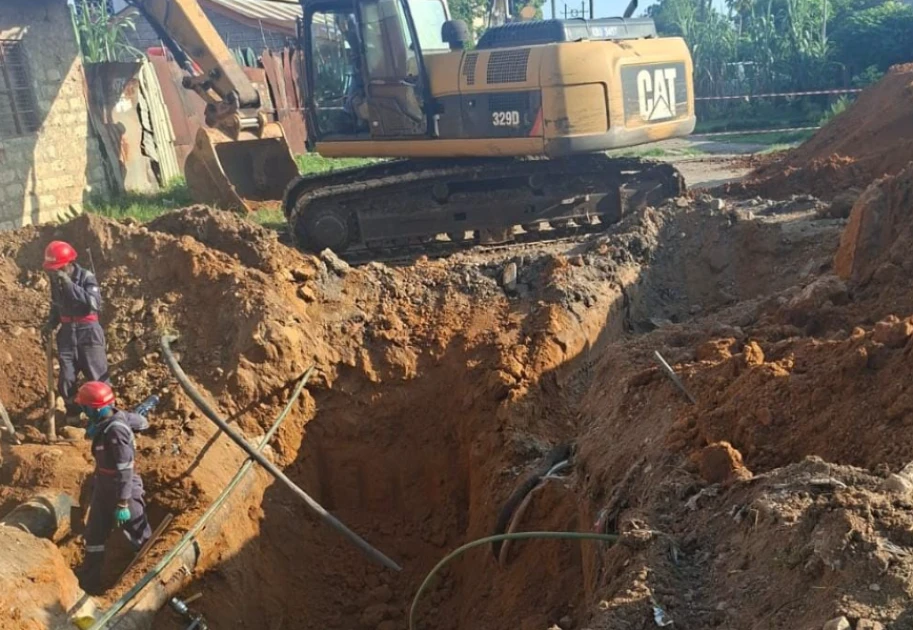
KPC Foils Mombasa Pipeline Siphoning Attempt, No Product Lost
Summary
- The Kenya Pipeline Company (KPC) foiled an attempt to siphon petroleum products from a pipeline in Mombasa County on November 2.
- An illegal connection was discovered on a pipeline linking Pumping Station 14 to Pumping Station 15 during routine surveillance.
- KPC's security and maintenance teams secured the site and reported the incident to Chaani Police Station, which has initiated investigations.
- No petroleum product was lost due to the prompt action of KPC's monitoring teams.
- KPC utilizes robust technological and physical surveillance systems, including advanced security intelligence and leak detection, across its 1,342-kilometre network.
What Happened
The successful intervention by KPC's teams ensured that no petroleum product was lost, highlighting the efficacy of their rapid response protocols and advanced monitoring capabilities.
The Kenya Pipeline Company (KPC) successfully thwarted an attempt to illicitly siphon petroleum products from a critical pipeline in Mombasa County. This incident, involving an illegal connection, was detected on Monday, November 2, during routine surveillance operations conducted by KPC's dedicated security and pipeline maintenance teams.
The illegal connection was discovered on a pipeline segment linking Pumping Station 14 to Pumping Station 15. Upon detection, KPC officers promptly secured the affected site and formally reported the incident to the Chaani Police Station, initiating an official response to the criminal act.
Mrs. Dinah Kirwa, KPC's General Manager for Human Resource & Administration, confirmed that the company's diligent officers had successfully foiled the criminal endeavor. Crucially, due to the swift action of the monitoring teams in tracking and securing the crime scene, no petroleum product was lost during the attempted siphoning, underscoring the effectiveness of KPC's immediate response protocols.
Ongoing Investigation and Broader Context
Following the report, specialist police teams have commenced a thorough investigation into the illegal connection and the attempted theft. This incident highlights the persistent challenge of petroleum product theft in Kenya, a criminal activity that poses significant economic and environmental risks to the nation's energy infrastructure.
Such attempts to establish an illegal connection on the Kenya Pipeline Company's network are not uncommon, making robust security measures and rapid response capabilities essential. The successful foiling of this Mombasa petroleum siphoning attempt demonstrates the critical role of continuous vigilance and inter-agency cooperation in safeguarding national assets and ensuring the integrity of the fuel supply chain. The Chaani Police Station investigation will now seek to identify and apprehend those responsible for this criminal enterprise.
Robust Safeguards and Strategic Investment
The successful intervention by KPC's teams ensured that no petroleum product was lost, highlighting the efficacy of their rapid response protocols and advanced monitoring capabilities. KPC maintains a comprehensive suite of robust technological and physical surveillance systems designed to protect its extensive infrastructure. These systems include advanced security intelligence, sophisticated leak detection mechanisms, and cutting-edge safety technologies deployed across its entire 1,342-kilometre pipeline network throughout Kenya.
KPC's real-time monitoring systems are pivotal in safeguarding critical infrastructure against various threats, including the kind of KPC pipeline security incident seen in Mombasa. The company has made substantial investments in internationally benchmarked safety protocols, a strategic move aimed at significantly reducing exposure to operational, environmental, and reputational risks associated with its vital operations. This proactive approach is crucial in combating petroleum product theft in Kenya and maintaining the reliability of the national energy supply.
Practical Implications
This incident underscores the persistent threat of petroleum product siphoning in Kenya, prompting legal and compliance teams in the energy sector to review and strengthen their infrastructure security protocols and internal monitoring systems to mitigate operational and criminal risks. Lawyers should advise clients on potential liabilities related to supply chain security and the importance of robust surveillance.
Source
How does this affect you?
Get an AI analysis of this article grounded in your jurisdictions, practice areas, and any policy documents you've uploaded to Wansom.
Wansom is AI and can make mistakes.