
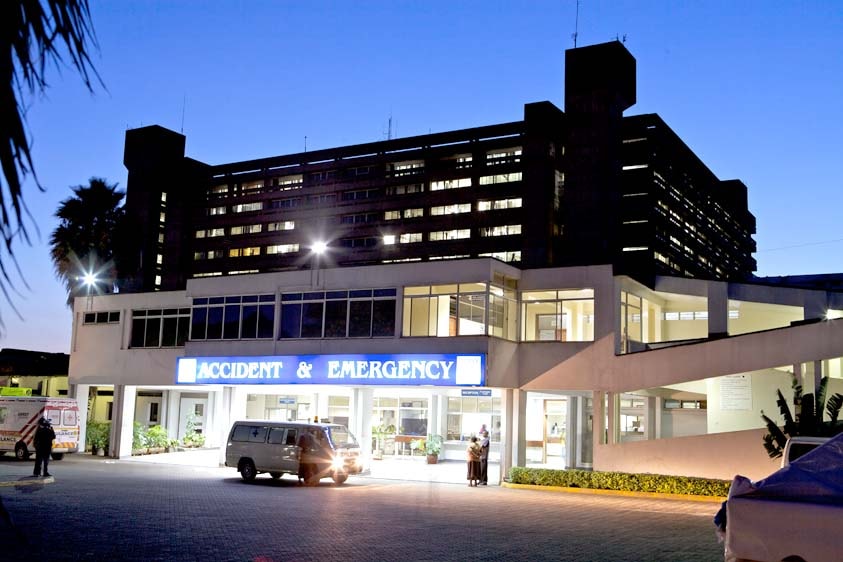
KNH: 7-Day Notice Issued for 85 Unclaimed Bodies in Kenya
Summary
- Kenyatta National Hospital (KNH) has issued a seven-day notice for families to claim 85 unclaimed bodies at its Farewell Home.
- The 85 bodies consist of 67 males and 18 females, with KNH providing names and tag numbers for identification.
- KNH will seek court authorization for the disposal of any remains not claimed within the stipulated period.
- This action is mandated by Kenya's Public Health Act, Cap 242, and the Public Health (Public Mortuaries) Rules, 1991.
- This is the second major appeal this year, following a March notice for 480 unclaimed bodies, highlighting a persistent challenge for public mortuaries.
Kenyatta National Hospital's Urgent Appeal
Should these remains go unclaimed within the specified period, KNH has stated its intention to pursue court authorization for their disposal, adhering to established legal protocols.
Kenyatta National Hospital (KNH) has recently issued a critical public appeal, giving families and concerned individuals a strict seven-day window to identify and claim 85 unclaimed bodies currently held at its Farewell Home. This urgent KNH 7-day notice regarding 85 unclaimed bodies in Kenya underscores a persistent challenge for the nation's largest referral hospital. Should these remains go unclaimed within the specified period, KNH has stated its intention to pursue court authorization for their disposal, adhering to established legal protocols.
The detailed notice from Kenyatta National Hospital aims to facilitate identification by providing specific information for each of the 85 individuals. The collection of bodies comprises 67 males and 18 females. To aid the public, KNH has released names, mortuary tag numbers, and other pertinent identifying details. Among those explicitly named are individuals such as Leonard Kiruki Nganga, Tracy Wadida Tikollo, Rodah Wanjiku, Rebecca Kamanje Kathiori, Raphael Musee Tito, Esther Muthoni, Musa Makara Sikong, Kamau Njoroge, Florence Munjona, and Juma Baraka Hassan. The list also includes names like Boniface Omollo, Anthony Wanyonyi, Charles Kyalo Mukumbi, Jeff Mawira, John Omondi, Paul Ghethuka, Omar Nabir, Millicent Wambui, Denis Njenga, Christofor Munene Kirimi, Mohamed Ali Wanja, Peter Murangiri, Blessings Mulei Munandi, Peter Mwaura, Gilbert Njunge Ujiau, Maria Daudi, Paul Kithura James, Joseph Kibe Mwangi, Josphat Njogu Mburu, David Oigoro Ombati, Nicholas Mutua, Rosalia Aswani, Joseph Gitonga, Daniel Maina, Benson Wandabwa, Dorothy Muthoki, Richard Ochieng, Asenath Nangila, Michael Kanyi Nyambura, Erick Mugambi Njine, Amos Kaberi, Sammy Kangethe, and Miriam Mienusi Satima. For cases where identities remain unknown, the hospital uses descriptors such as "Unknown African Man" (U.A.M.) or "Unknown African Woman" (U.A.W.), alongside their respective tag numbers, with one entry specifically noted as a "street family."
Legal Framework for Unclaimed Remains
The hospital's current action is not arbitrary but is firmly rooted in Kenyan law, specifically issued pursuant to the Public Health Act, Cap 242, and further guided by the Public Health (Public Mortuaries) Rules, 1991. These legislative instruments establish the comprehensive legal framework governing the management and eventual disposal of unclaimed remains within public mortuaries across the country. The notice explicitly states KNH's possession of these bodies at its Farewell Home and requests public identification and collection within the seven-day period.
It is crucial to understand that the seven-day notice does not automatically trigger the disposal of the bodies. Instead, it initiates a formal process. Should the bodies remain unclaimed after this period, KNH will then proceed to seek explicit authority from the courts for their lawful disposal. This requirement for KNH court authorization for body disposal highlights the legal safeguards in place for the disposal of unclaimed remains in Kenya, ensuring due process is followed before any final actions are taken. This legal pathway is designed to provide a final opportunity for families to come forward while also addressing the practical challenges faced by public health facilities.
Persistent Challenges and Broader Implications
The ongoing issue of Kenyatta National Hospital unclaimed bodies represents a significant and recurring challenge for public health infrastructure in Kenya. Reports indicate that some of the bodies currently listed, based on their mortuary tag numbers, were registered as far back as 2025 and 2026, suggesting that these remains have occupied limited storage space at the Farewell Home for an extended duration. This situation is not unique to the current notice; public mortuaries frequently grapple with the logistical and ethical complexities of long-term storage for unidentified or uncollected deceased individuals.
This latest appeal marks the second major public notice issued by KNH this year concerning unclaimed bodies. Earlier in March, the hospital had to issue a similar seven-day notice involving a much larger number of 480 unclaimed bodies, which included 102 adults and a substantial 378 children. That previous notice also warned families of the hospital's intent to seek court authority for disposal if the remains were not identified and collected. The sheer volume of bodies in the March appeal, with some reported to have been at the facility since January 2024, underscores the scale of this public health concern. KNH consistently issues such notices as a mandatory part of the legal procedure for managing unclaimed remains, urging anyone with missing relatives to consult the published lists and contact the hospital.
Practical Implications
Lawyers advising families of missing persons or involved in public health compliance should note the specific legal framework (Public Health Act Cap 242) and the court authorization process KNH must follow for the disposal of unclaimed bodies in Kenya.
Source
How does this affect you?
Get an AI analysis of this article grounded in your jurisdictions, practice areas, and any policy documents you've uploaded to Wansom.
Finish Reading the Full Story and the Expert Analysis.
Get the latest legal & regulatory intelligence in Kenya
Wansom is AI and can make mistakes.