
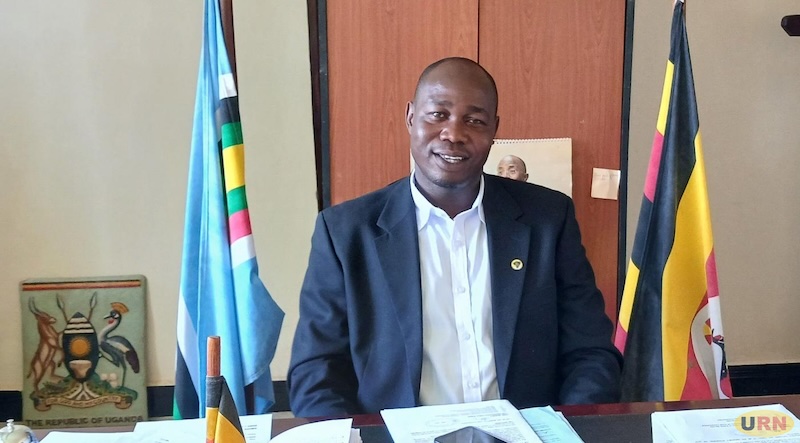
Kitgum District Rejects State House Scholarships Amid Transparency Concerns
Summary
- Kitgum district leadership rejects list of 11 students selected for State House scholarship programme.
- Concerns raised about legitimacy and transparency of selection process overseen by RDC Jimmy Segawa Ebil.
- State House scholarship programme has faced criticism for lack of transparency and accountability.
What Happened
The rejection of the list is seen as a major blow to the State House scholarship programme, which has been marred by controversy in recent times.
The Kitgum district leadership has taken a bold stance against the State House scholarship programme, rejecting a list of 11 students selected for the programme. This decision was made amidst concerns about the legitimacy and transparency of the selection process. According to sources, the district leaders accused Resident District Commissioner (RDC) Jimmy Segawa Ebil of overseeing a flawed selection process that did not involve key local government officials.
The rejection of the list is seen as a major blow to the State House scholarship programme, which has been marred by controversy in recent times. The programme has faced criticism for its lack of transparency and accountability, with many questioning how beneficiaries are chosen.
Legal Context
The rejection of the list by the Kitgum district leadership raises important questions about the legal framework governing government scholarships in Uganda. While the State House scholarship programme is not governed by a specific law, it is expected to adhere to established guidelines and procedures for selecting beneficiaries. The involvement of Resident District Commissioner (RDC) Jimmy Segawa Ebil in the selection process has sparked concerns about potential irregularities and conflicts of interest.
Lawyers advising clients on government scholarships should be aware of these issues and ensure that their clients are not implicated in any controversies surrounding the programme.
Why It Matters
The rejection of the list by the Kitgum district leadership highlights the need for greater transparency and accountability in the selection process for government scholarships. The State House scholarship programme has been criticized for its lack of transparency, with many questioning how beneficiaries are chosen. This controversy raises important questions about the potential for irregularities and conflicts of interest in the selection process.
The implications of this rejection extend beyond the Kitgum district, as it highlights the need for a more robust and transparent system for selecting government scholarship beneficiaries.
Practical Implications
Lawyers advising clients on government scholarships should be aware of the potential for irregularities in the selection process and ensure their clients are not implicated in any controversies.
Source
How does this affect you?
Get an AI analysis of this article grounded in your jurisdictions, practice areas, and any policy documents you've uploaded to Wansom.
Wansom is AI and can make mistakes.