
Kisumu Women Aspirants: Political Violence, Harassment Mar 2027 Polls
Summary
- Women aspirants in Kisumu County report widespread political violence, sexual harassment, and discrimination ahead of the 2027 General Election.
- Intimidation tactics include political gangs, online harassment, and pressure from parties to withdraw nominations in favor of male candidates.
- Allegations of sexual exploitation within political party structures for tickets or nomination opportunities were also raised.
- A FIDA-Kenya meeting brought together aspirants and regulatory bodies to discuss political party accountability and gender inclusion.
- Aspirants demand urgent reforms, stronger accountability, and intervention from electoral and security agencies against political violence and intimidation.
Kisumu Women Aspirants Face Widespread Intimidation
Influential individuals are accused of demanding sexual favors in exchange for party tickets or nomination opportunities, forcing women to compromise their dignity to participate in politics.
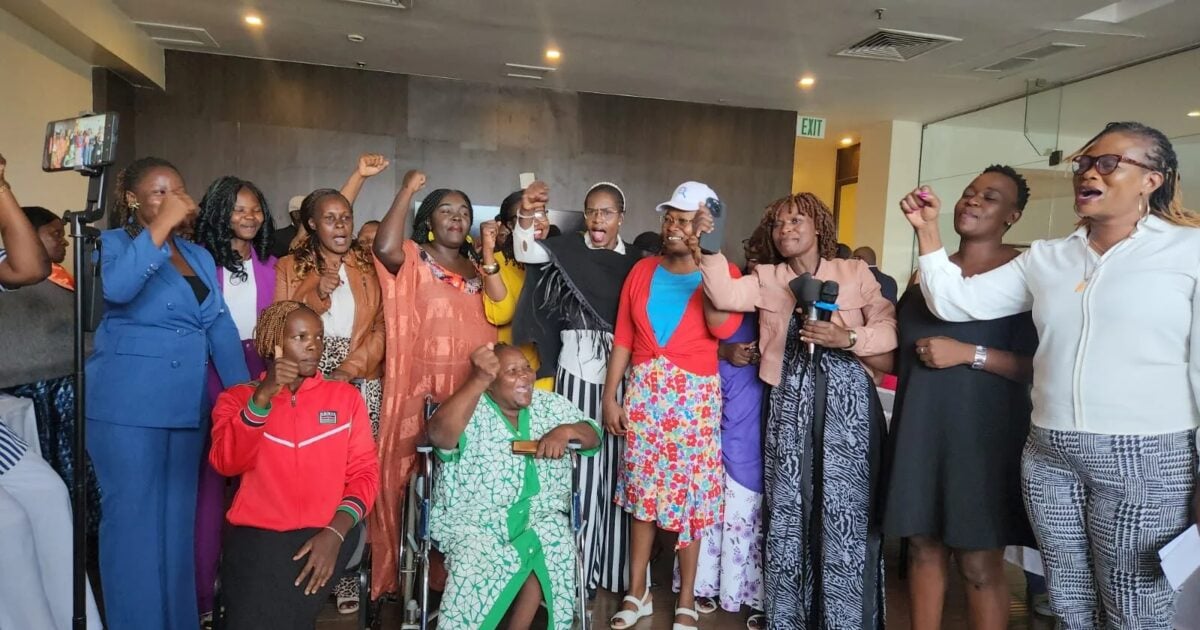
Female political hopefuls in Kisumu County have voiced serious concerns regarding a pervasive climate of political violence, voter bribery, sexual harassment, and discrimination within political party structures. These issues, highlighted by women seeking elective office, are reportedly undermining their participation in the political process as the 2027 General Election approaches. Aspirants report facing intimidation from organized political gangs, persistent online harassment, and unfair practices during nominations, collectively hindering their ability to compete on an equal footing.
The gravity of these challenges was underscored during a recent gathering convened by the Federation of Women Lawyers in Kenya (FIDA-Kenya). This forum, designed to address political party accountability and internal reforms for gender inclusion, brought together women aspirants alongside representatives from key regulatory bodies, including the Independent Electoral and Boundaries Commission (IEBC), the Office of the Registrar of Political Parties (ORPP), the National Cohesion and Integration Commission (NCIC), and the National Gender and Equality Commission (NGEC). A joint statement, delivered by Kisumu Woman Representative aspirant Linda Ogweno, emphasized that political intolerance and violence are fostering an unsafe environment for female candidates and their supporters. Specific groups, locally identified as Mbogis, Chude Chude, Sangwenya, and Security Boys, were cited for their role in intimidating women candidates and disrupting their campaign activities.
Systemic Barriers in Party Nominations
Beyond overt violence, Kisumu women aspirants have also exposed deep-seated issues within political parties themselves, particularly concerning nomination processes. They allege that parties often pressure female candidates to withdraw their bids in favor of male counterparts, sometimes enticing them with promises of government appointments post-election. This coercion during nomination negotiations effectively sidelines women, despite their qualifications.
The aspirants also criticized nomination procedures for allegedly prioritizing financial influence, nepotism, tribal affiliations, and personal connections over genuine leadership ability and competence. In some instances, women are reportedly issued party tickets for constituencies where their electoral support is known to be limited, thereby diminishing their prospects of securing an elective position. Disturbingly, allegations of sexual harassment and exploitation within political party structures were also brought forward. Influential individuals are accused of demanding sexual favors in exchange for party tickets or nomination opportunities, forcing women to compromise their dignity to participate in politics.
Urgent Calls for Accountability and Reform
In response to these systemic challenges, the women aspirants have issued a strong call for urgent reforms to ensure a truly level playing field. They demand stronger accountability mechanisms to address sexual harassment, ensuring that women are not compelled to sacrifice their integrity for political involvement. Political parties are urged to thoroughly review their internal regulations to guarantee adequate representation for women, young women, and persons with disabilities in both leadership roles and nomination processes.
The aspirants further pressed political parties to educate their candidates on nomination procedures, internal dispute resolution mechanisms, and gender policies. They insisted that internal rules must be reformed to ensure the meaningful inclusion of women. Furthermore, the women challenged a range of governmental and independent bodies—including the IEBC, ORPP, NCIC, NGEC, the Political Parties Disputes Tribunal, and security agencies—to take decisive action against political violence, hate speech, and intimidation. They specifically called for early intervention against organized political gangs and those who finance their disruptive activities, emphasizing the need for robust measures to protect female candidates ahead of the 2027 Kenya election.
Practical Implications
Lawyers advising political parties should review internal nomination processes and accountability mechanisms to ensure compliance with gender inclusion principles and to prevent political violence, sexual harassment, and discrimination against women aspirants, especially in Kisumu ahead of the 2027 General Election. Compliance officers within parties must address these systemic issues to mitigate legal and reputational risks.
Source
How does this affect you?
Get an AI analysis of this article grounded in your jurisdictions, practice areas, and any policy documents you've uploaded to Wansom.
Finish Reading the Full Story and the Expert Analysis.
Get the latest legal & regulatory intelligence in Kenya
Wansom is AI and can make mistakes.