
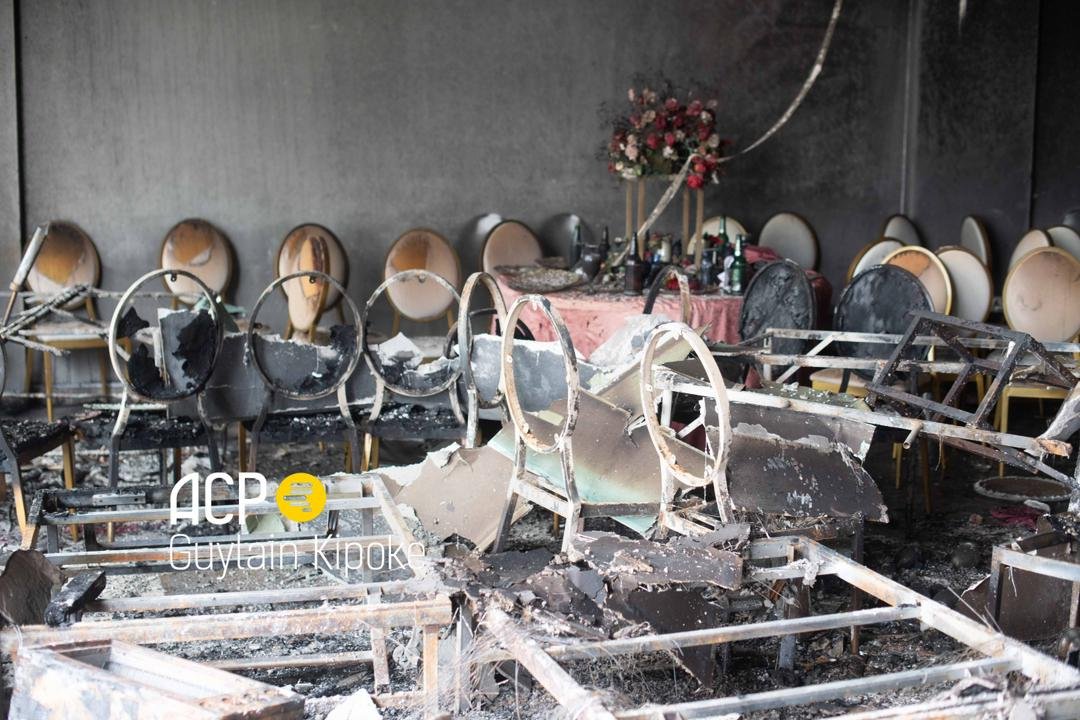
Kinshasa Launches "Lisu Pro" Operation for Public Venue Safety Control
In Kinshasa, Democratic Republic of Congo, the Directorate General of Civil Protection (DGPC) launched the "Lisu Pro" operation on Thursday, September 24, to inspect the viability of event halls and other public places, following a deadly fire at the Panacée event hall in Lingwala that claimed approximately ten lives. This initiative signals a heightened focus by authorities on public safety and regulatory compliance for establishments that host the public, aiming to prevent future tragedies and ensure adherence to safety standards across the capital.
This operation carries significant legal implications for practitioners and businesses operating public venues. It indicates an immediate increase in regulatory scrutiny, potentially leading to more frequent inspections, stricter enforcement of existing codes, and possible closures or penalties for non-compliant establishments. Businesses must now prioritize a thorough review of their safety protocols, building integrity, and operational permits to mitigate risks of fines, forced closures, or even criminal liability in cases of negligence. The focus on public safety also raises the specter of increased civil litigation for damages in the event of accidents.
The legal context for this operation is rooted in the DRC's framework for urban planning, construction, and civil protection. Key statutes include the Décret-loi n° 007/2002 du 21 janvier 2002 portant Code de l'Urbanisme et de l'Habitat, which sets construction and safety standards, and Loi n° 11/009 du 09 juillet 2011 portant principes fondamentaux relatifs à la protection civile, which defines the mandate of the DGPC. Additionally, various ministerial decrees (Arrêtés) and provincial ordinances would detail specific fire safety regulations, emergency exit requirements, capacity limits, and the procedures for obtaining and maintaining operational permits for public-facing businesses. The City of Kinshasa also has its own local regulations governing business licenses and public safety.
The key parties involved in this development include the Directorate General of Civil Protection (DGPC) as the implementing authority, the City of Kinshasa authorities responsible for local governance and permits, and the owners and operators of all public establishments, such as event halls, restaurants, hotels, and cinemas. The victims of the Panacée fire and their families also represent a critical party, as their tragic experience prompted this regulatory response. The outcome of specific inspections or any resulting legal actions is not reported in the excerpt.
Attorneys representing businesses that own or operate public venues in Kinshasa should immediately advise their clients to conduct comprehensive internal audits of their facilities to ensure full compliance with all relevant safety, construction, and operational regulations. This includes verifying fire safety equipment, emergency exits, structural integrity, and adherence to capacity limits. Legal professionals should also monitor the scope and duration of the "Lisu Pro" operation, any new regulations or enforcement guidelines that may be issued, and be prepared to defend clients against potential administrative sanctions, criminal charges, or civil claims arising from non-compliance or incidents.
How does this affect you?
Get an AI analysis of this article grounded in your jurisdictions, practice areas, and any policy documents you've uploaded to Wansom.
Finish Reading the Full Story and the Expert Analysis.
Get the latest legal & regulatory intelligence in DR Congo
Wansom is AI and can make mistakes.