
Kinshasa Accuses RDF M23: DRC Human Rights Violations Detailed
Summary
- The Democratic Republic of Congo government accuses the Rwandan Defense Forces (RDF) and M23 rebels of severe human rights violations in Eastern DRC, including over 300 killings in June and July 2026.
- Kinshasa also alleges hundreds of abductions and forced recruitments, and accuses Kigali of facilitating population displacement into Congolese territory.
- Nobel laureate Denis Mukwege has emphasized that truth, justice, and reparations must not be sacrificed for peace in the region.
- Calls for accountability are reinforced by the UN Mapping Report's recommendations for impartial judicial mechanisms to address crimes committed in Eastern DRC since 1998.
Allegations of Widespread Abuses in Eastern DRC
Nobel Peace Prize laureate Denis Mukwege has strongly advocated for prioritizing truth, justice, and reparations in any peace process concerning the DRC.
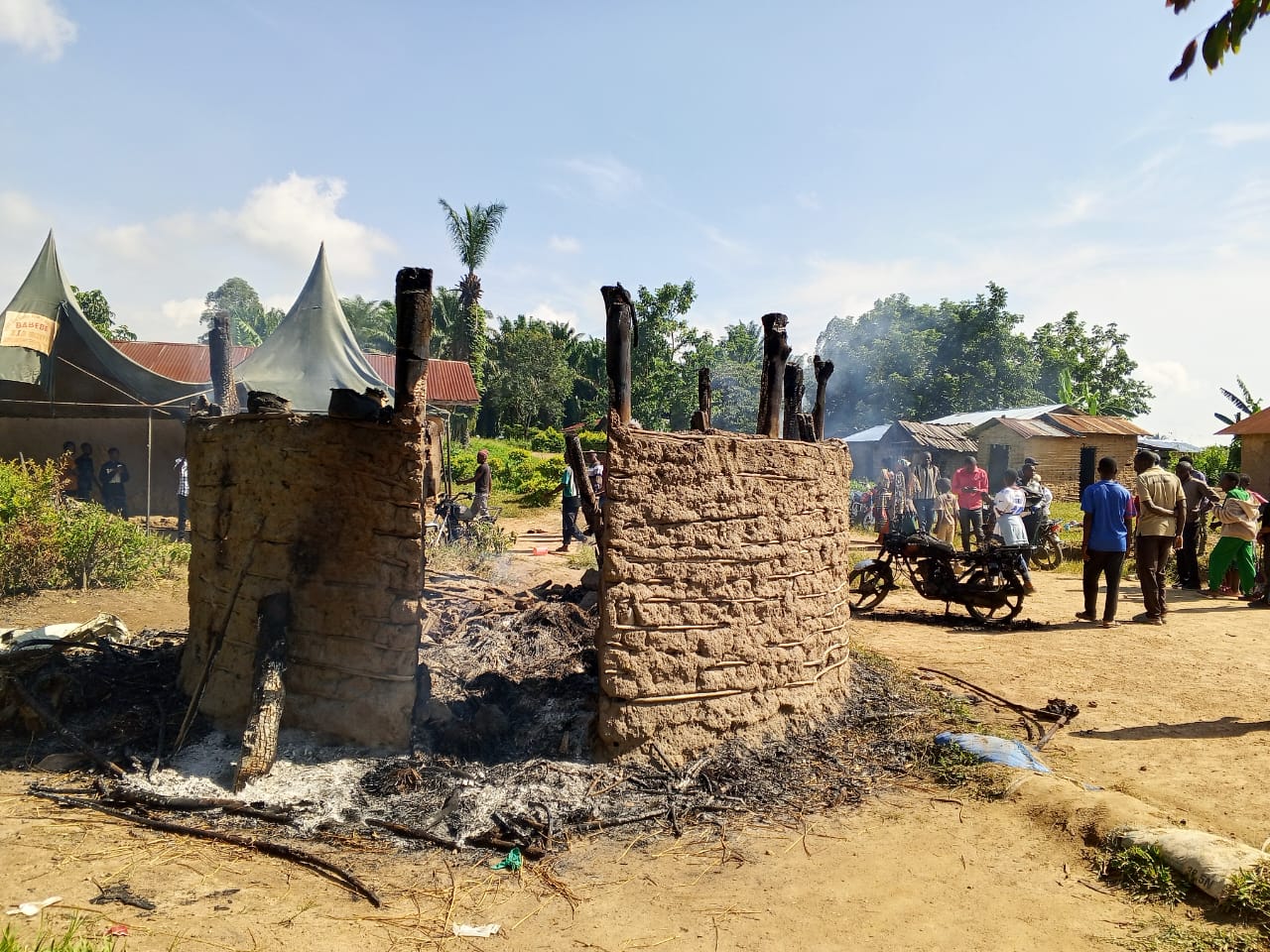
The government of the Democratic Republic of Congo (DRC) has leveled serious accusations against the Rwandan Defense Forces (RDF) and their allied M23 rebel group, alleging extensive human rights violations in territories under their control in the eastern part of the country. Kinshasa accuses RDF M23 human rights DRC forces of perpetrating a range of atrocities, including summary executions, massacres, sexual violence, torture, abductions, forced recruitment, and illegal taxation. These grave Eastern DRC human rights violations have prompted the DRC government to bring its concerns to the attention of the international community.
According to a communiqué issued by the Congolese government, over 300 individuals were killed during June and July 2026 through executions, massacres, and bombardments. The report also details hundreds of abductions and instances of forced recruitment, specifically targeting young people in areas such as Tshanzu and Rumangabo. Furthermore, the DRC government denounces Rwanda, accusing Kigali of facilitating population displacement within the eastern region. This includes a specific incident on August 10, when more than 100 families, identified as being of Rwandan origin, reportedly arrived in the Nyiragongo territory.
Nobel Laureate Urges Justice Over Expediency
Amidst these ongoing reports of RDF M23 crimes against civilians, Nobel Peace Prize laureate Denis Mukwege has strongly advocated for prioritizing truth, justice, and reparations in any peace process concerning the DRC. Speaking in the context of the 28th commemoration of the Kasika massacres in South Kivu, Dr. Mukwege emphasized that diplomatic negotiations and agreements should not be allowed to silence the violations committed against civilians. His message underscores a critical principle: peace cannot be genuinely achieved at the expense of accountability for past and present atrocities.
This call for Denis Mukwege justice for DRC crimes resonates deeply within the country, particularly as the Congolese press highlighted the dilemma of pursuing peace while ensuring perpetrators of human rights abuses face consequences. The commemoration served as a poignant reminder that victims' rights and the pursuit of justice must remain central, preventing impunity for those responsible for grave crimes.
Historical Precedent and International Scrutiny
The broader context for these demands for accountability is rooted in historical documentation, notably the United Nations Mapping Report. This significant report outlines serious crimes committed in Eastern DRC since 1998 and includes recommendations for the establishment of impartial judicial mechanisms. These mechanisms are designed to prosecute individuals responsible for the documented atrocities, ensuring that justice is not merely an aspiration but a tangible outcome for victims.
The ongoing accusations by Kinshasa against the RDF and M23, coupled with Dr. Mukwege's persistent advocacy, reinforce the relevance of these UN Mapping Report DRC recommendations. They highlight a continuous need for international legal scrutiny and robust frameworks to address the cycle of violence and impunity that has plagued the region for decades.
The Enduring Quest for Accountability
The current situation in the eastern DRC, characterized by the Congolese government's persistent denunciations and the impassive stance attributed to Kigali, underscores a profound and enduring challenge. The local press, on Tuesday, August 25, 2026, extensively covered both the recent allegations of abuses in occupied territories and the calls for justice regarding historical crimes. This coverage collectively emphasizes a central preoccupation: how to build lasting peace without marginalizing the victims or compromising the imperative of justice. The persistent reports of sexual violence forced recruitment Eastern DRC continue to fuel this critical debate, signaling a clear demand for accountability from all parties involved.
Practical Implications
This article signals potential for increased international legal scrutiny and calls for accountability regarding alleged human rights violations by RDF and M23 in Eastern DRC. Lawyers and compliance officers should monitor developments for implications on international criminal law, human rights litigation, and enhanced due diligence requirements for entities operating in or linked to the region.
Source
How does this affect you?
Get an AI analysis of this article grounded in your jurisdictions, practice areas, and any policy documents you've uploaded to Wansom.
Wansom is AI and can make mistakes.