
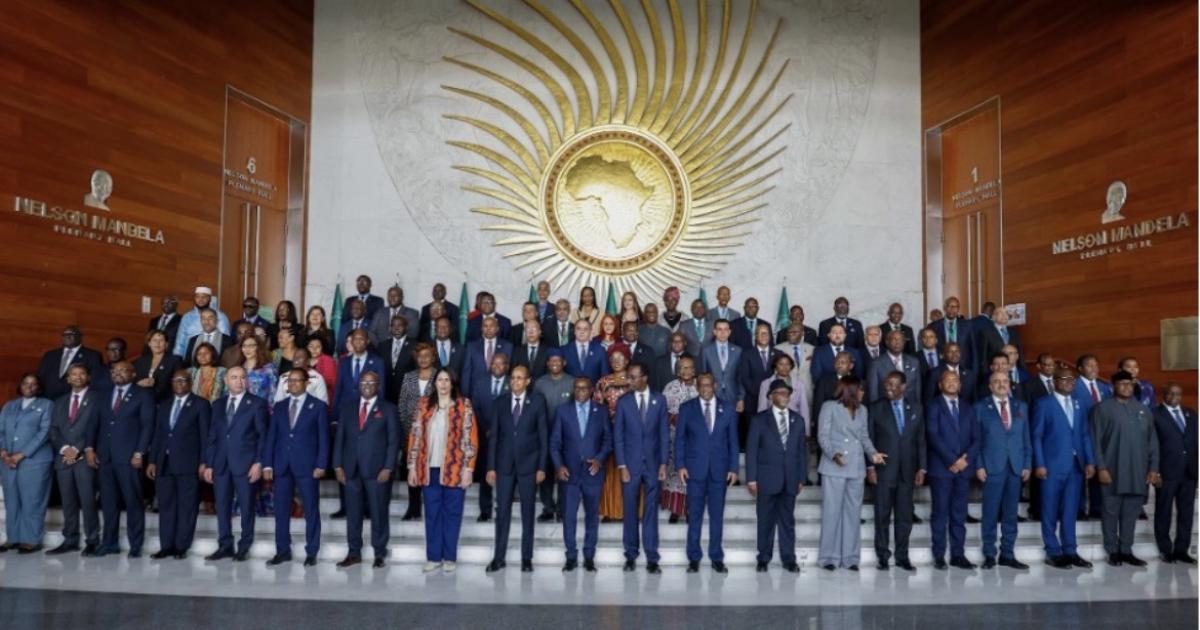
African Union: Meeting in Luanda on Conflict Resolution, Eastern DRC Crisis
The African Union (AU) is scheduled to convene its principal decision-making bodies in Luanda, Angola, on August 25, 2026, to address and strengthen conflict prevention and resolution mechanisms across Africa, particularly in response to ongoing crises like that in Eastern DRC.
This high-level meeting signifies the AU's proactive stance in confronting the continent's persistent security and political challenges. The gathering aims to reinforce existing frameworks and potentially develop new strategies to mitigate conflicts, which have profound humanitarian, economic, and social consequences. By focusing on prevention and resolution, the AU seeks to enhance its capacity to respond effectively to crises, thereby promoting stability and peace in member states. The emphasis on the Eastern DRC crisis highlights its severity and the urgent need for concerted regional action.
From a legal perspective, this initiative is rooted in the African Union Constitutive Act, which mandates the organization to promote peace, security, and stability on the continent (Article 3(f)). Further guidance is provided by the Protocol Relating to the Establishment of the Peace and Security Council of the African Union, which outlines the Council's role in conflict prevention, management, and resolution. The outcomes of this meeting could lead to new resolutions, policy directives, or enhanced mandates for AU peacekeeping missions, impacting the legal basis for regional interventions and cooperation. The discussions will likely touch upon international humanitarian law, human rights law, and the principles of state sovereignty and non-interference, all of which are central to the AU's approach to conflict.
The key parties involved are the African Union and its various organs, including the Peace and Security Council and the Assembly of Heads of State and Government, with Angola serving as the host nation. Member states, particularly those affected by or involved in conflicts such as the Democratic Republic of Congo, are also central to these discussions. The meeting's deliberations will implicitly involve the broader international community, including the United Nations, given the interconnectedness of regional and global security.
Practitioners, especially those advising governments, international organizations, or businesses with interests in Africa, should closely monitor the resolutions and policy shifts emerging from this AU meeting. Any strengthened mandates for conflict resolution, new frameworks for intervention, or revised approaches to regional security could significantly impact legal risk assessments, compliance with international law, and the operational environment for humanitarian aid and development initiatives. Understanding these developments is crucial for navigating the complex legal and political landscape of conflict-affected regions and for advising on issues ranging from international criminal justice to investment security.
How does this affect you?
Get an AI analysis of this article grounded in your jurisdictions, practice areas, and any policy documents you've uploaded to Wansom.
Wansom is AI and can make mistakes.