
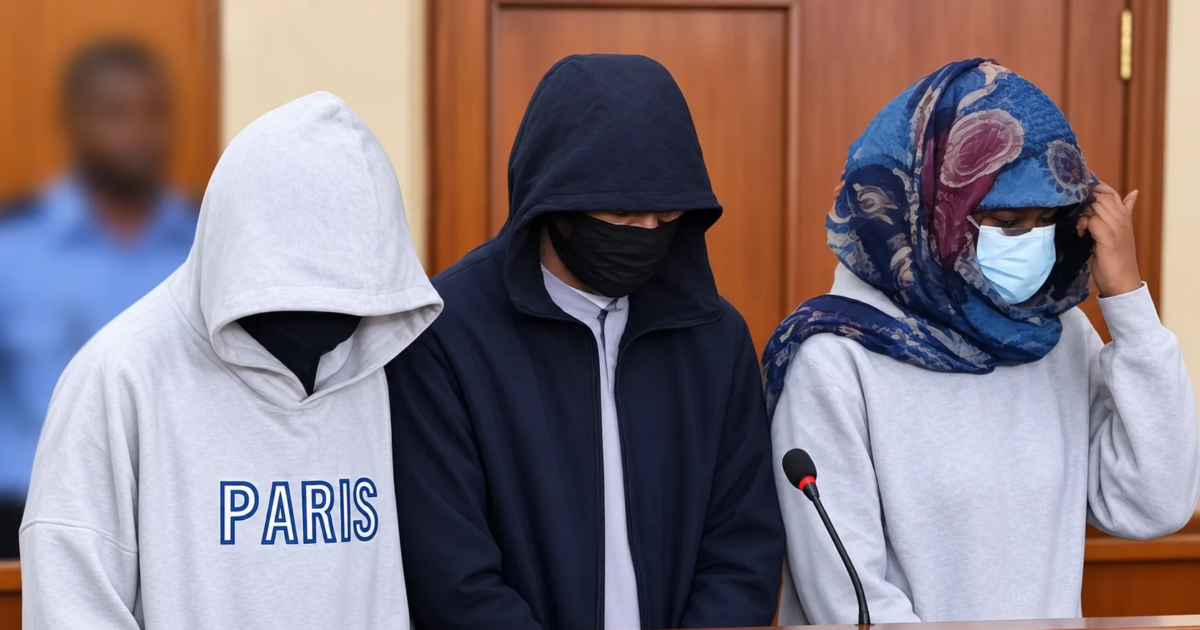
Kibera Law Courts: Regina Re, Brother Granted KSh 200K Bail in Murder Case
Former television presenter Regina Re and her brother Antony Macharia were released on Sh200,000 cash bail each by the Kibera Law Courts in Nairobi, Kenya, on November 18, 2026, after pleading not guilty to charges of being accessories after the fact to the murder of their 86-year-old mother, Dorita Lasinder Macharia. The siblings are accused of interfering with the crime scene to conceal evidence and cover up the alleged involvement of Regina's daughter, Thandie Malaika Wanjiku Gitao, who faces a separate murder charge. This development follows their arraignment where they denied the charges, with the Office of the Director of Public Prosecutions (ODPP) having approved the accessory-after-the-fact charges against them. The court's decision to grant bail allows them to await trial outside custody, despite the gravity of the allegations stemming from their mother's death, which a post-mortem examination confirmed was due to severe blood loss from multiple sharp-force injuries. Investigators have also collected forensic evidence, including bloodstained items, for analysis by the Government Chemist.
This case carries significant legal implications for practitioners, particularly in criminal law, as it highlights the application of accessory liability under Kenyan law, even for close family members. The distinction between a principal offender (Thandie) and accessories after the fact (Regina and Antony) is crucial, demonstrating the broad scope of criminal responsibility for actions taken to obstruct justice. The granting of bail in a murder-related case, albeit for accessory charges, underscores the judiciary's adherence to the constitutional right to bail, provided the accused are not deemed a flight risk or a threat to witnesses or public safety. Furthermore, the involvement of a public figure like Regina Re draws considerable public and media attention, emphasizing the need for meticulous legal processes and transparent judicial proceedings.
The legal context for this matter is firmly rooted in Kenya's Penal Code (Cap 63, Laws of Kenya) and the Constitution. Regina and Antony are charged under Section 222 as read with Section 396(1) of the Penal Code, which deals with accessories after the fact to murder. Thandie, on the other hand, faces a murder charge under Sections 203 and 204 of the Penal Code. The Kibera Law Courts, as a Magistrate's Court, handles the initial stages of such serious criminal cases, including arraignment and bail applications, before matters are potentially committed to the High Court for trial. The ODPP's role in approving charges is central to the prosecution process, ensuring that there is sufficient evidence to proceed. The reliance on forensic evidence, such as the post-mortem report by Dr Bernard Midia and the analysis by the Government Chemist, is increasingly vital in modern criminal investigations in Kenya, shaping both prosecution strategies and defence arguments.
Key parties involved include the accused, Regina Wambui Macharia Gitao (Regina Re) and Antony Macharia, and the deceased, Dorita Lasinder Macharia. Thandie Malaika Wanjiku Gitao is implicated as the alleged principal offender. The Kibera Law Courts is the judicial body presiding over the initial proceedings, while the Office of the Director of Public Prosecutions is responsible for the prosecution. Dr Bernard Midia, a government pathologist, conducted the crucial post-mortem examination, and the Government Chemist is involved in the forensic analysis of recovered evidence. The outcome of the substantive charges against all parties is not yet reported, as the matter is still in its preliminary stages following the bail hearing.
Practitioners should closely monitor this case for insights into the judicial interpretation and application of accessory liability, particularly concerning family members and the threshold for bail in serious criminal matters. Defence attorneys should note the emphasis on forensic evidence and prepare to challenge or corroborate such findings, while prosecutors will need to build a robust case linking the alleged accessory actions to the principal offence. Businesses and individuals should be reminded of the severe legal consequences of interfering with crime scenes or attempting to conceal evidence, as such actions can lead to significant criminal charges, irrespective of direct involvement in the primary offence. The case also serves as a reminder of the constitutional right to bail and the factors courts consider when granting it, even in high-profile and sensitive cases.
How does this affect you?
Get an AI analysis of this article grounded in your jurisdictions, practice areas, and any policy documents you've uploaded to Wansom.
Finish Reading the Full Story and the Expert Analysis.
Get the latest legal & regulatory intelligence in Kenya
Wansom is AI and can make mistakes.