
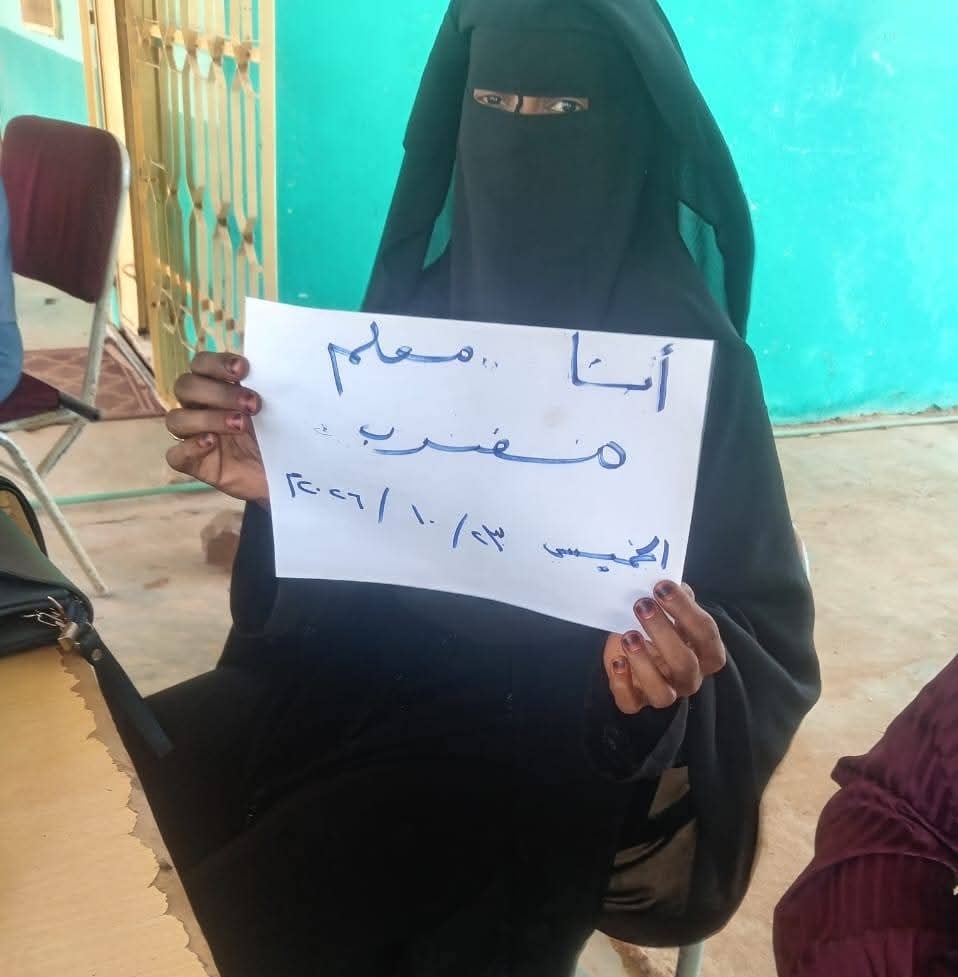
Khartoum Teachers: Strike Escalation Enters 2nd Day
Summary
- The teachers' strike in Khartoum state entered its second day on Thursday, October 22, 2026, with sustained participation.
- The Sudanese Teachers Committee plans to escalate its actions starting next week.
- Participation in the strike has increased in several Khartoum localities, including Karrari, Bahri, and East Nile.
- The strike is part of broader union movements demanding improved professional and living conditions for teachers.
- Sami Al-Baqir, the committee's spokesperson, stated that arrangements are underway to expand the strike to other states.
Current Developments in Khartoum's Education Sector
These developments are poised to reveal new directions in the protest's trajectory, with substantial implications for labor relations and the enforcement of existing Sudan labor law implications concerning public sector employment and collective bargaining.
The Khartoum teachers strike escalation entered its second consecutive day on Thursday, October 22, 2026, with significant and sustained participation reported across various localities within Khartoum state. This industrial action, spearheaded by the Sudanese Teachers Committee, has maintained its initial momentum, demonstrating a strong resolve among educators. The committee has explicitly stated its intention to implement further escalatory measures beginning next week, signaling a deepening of the ongoing Sudanese Teachers Committee strike.
Reports indicate that the level of teacher involvement in the strike has seen an increase in several areas, particularly in Karrari, Bahri, and East Nile. This growing participation underscores the widespread nature of the grievances driving the current labor dispute, indicating a broad consensus among teachers regarding the necessity of their demands. The committee's consistent messaging suggests that the strike is not only holding steady but is also gaining traction in key regions of the capital, reinforcing the collective power of the striking teachers.
Underlying Grievances and Union Objectives
This current Sudan education labor dispute is rooted in long-standing union movements advocating for substantial improvements in teachers' professional and living conditions. The demands put forth by the educators are comprehensive, addressing both the immediate welfare of teachers and the broader operational environment of the education system, encompassing aspects such as salaries, benefits, and working conditions. The Sudanese Teachers Committee is actively working to broaden the reach of this industrial action, aiming to exert greater pressure on authorities to meet these demands.
The committee's strategic objective involves not only sustaining the current strike but also expanding its geographical scope. This expansion is designed to amplify the impact of the protest, making it increasingly difficult for the government to ignore the educators' calls for reform and potentially impacting a wider array of public services. The ongoing union activities highlight a persistent struggle for better terms of employment and a more supportive professional framework for teachers across the state, with potential Sudan labor law implications for public sector employment.
Anticipated Escalation and Broader Impact
Looking ahead, the Sudanese Teachers Committee has confirmed its plans to initiate a new phase of escalatory steps in the coming week. Sami Al-Baqir, the official spokesperson for the committee, conveyed to Sudan Tribune that these arrangements are already in progress. Al-Baqir's Sami Al-Baqir statement further revealed that the committee is actively preparing to extend the strike beyond Khartoum state, with intentions to include other states in the industrial action, thereby transforming a localized protest into a potentially nationwide movement.
This planned expansion suggests that the current Khartoum public sector strike could soon evolve into a national education sector disruption, impacting a significantly larger student population and a broader range of public services. The anticipated escalatory measures are expected to introduce new dynamics into the protest, potentially leading to significant challenges for educational institutions and public sector employers throughout Sudan. These developments are poised to reveal new directions in the protest's trajectory, with substantial implications for labor relations and the enforcement of existing Sudan labor law implications concerning public sector employment and collective bargaining.
Practical Implications
Lawyers advising educational institutions, public sector employers, or labor unions in Sudan should closely monitor the escalating teachers' strike in Khartoum, as it signals potential disruptions to public services, impacts on employment contracts, and could lead to new collective bargaining demands or legal challenges related to labor rights and public sector employment.
Source
How does this affect you?
Get an AI analysis of this article grounded in your jurisdictions, practice areas, and any policy documents you've uploaded to Wansom.
Finish Reading the Full Story and the Expert Analysis.
Get the latest legal & regulatory intelligence in Sudan
Wansom is AI and can make mistakes.