
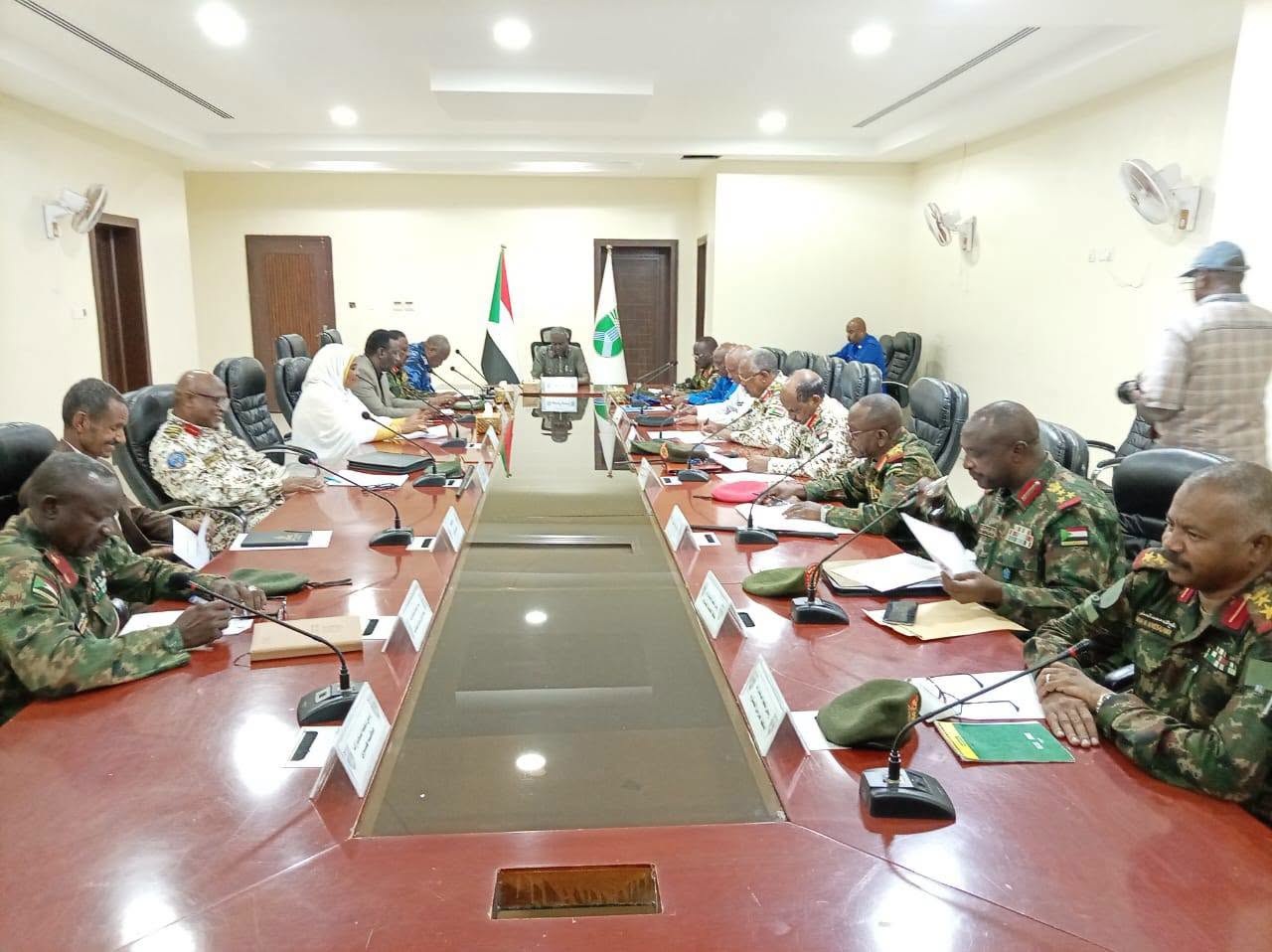
Khartoum State Lifts Curfew, Imposes Foreign Entry Ban
Summary
- Khartoum State government lifted a long-standing curfew on Thursday, August 27, 2026, allowing citizens unrestricted movement.
- Concurrently, the State Security Affairs Committee issued a decision banning the entry of all foreigners into Khartoum State.
- The curfew's cancellation was influenced by improved security and a call from Commander-in-Chief Abdel Fattah al-Burhan.
- The Security Committee formally revoked Emergency Order No. 3 of 2024, which had imposed the state of emergency and curfew.
- Joint security checkpoints and patrols will continue, and citizens are advised to carry identity documents when moving late at night.
Dual Directives Reshape Khartoum's Access
Concurrently with the curfew's abolition, the State Security Affairs Committee issued a decision prohibiting foreigners from entering Khartoum State.
Khartoum State authorities have enacted significant changes to public order regulations, simultaneously lifting a long-standing curfew while imposing a new ban on foreign entry into the state. On Thursday, August 27, 2026, the Khartoum State government announced the cancellation of the curfew that had been in effect for several years, granting citizens unrestricted movement throughout the day. This move marks a notable shift in the daily lives of residents, who can now move and conduct business without time constraints.
However, this relaxation for citizens is juxtaposed with a stringent new measure affecting foreign nationals. Concurrently with the curfew's abolition, the State Security Affairs Committee issued a decision prohibiting foreigners from entering Khartoum State. This dual directive creates a complex operational environment, easing internal movement for citizens while introducing severe restrictions for international personnel and entities.
Security Improvements Prompt Curfew Reversal
The decision to lift the curfew follows a period of improving security conditions within Khartoum State. The curfew was originally imposed with strict evening and early morning hours in April 2023, in the immediate aftermath of the outbreak of war. Over time, as state authorities regained control over the entire territory and the overall security situation stabilized, these restrictions were gradually eased and curfew hours shortened.
The Commander-in-Chief of the Army and head of the Sovereign Council, Abdel Fattah al-Burhan, had publicly called for a reconsideration of the curfew measures. During Khartoum State's celebrations marking the 72nd anniversary of the Armed Forces, al-Burhan emphasized the improved security landscape and the importance of not unduly restricting citizens. This advocacy from a high-ranking official appears to have influenced the local government's decision to fully lift the curfew.
Legal Framework: Emergency Order Revoked, New Restrictions Imposed
The legal basis for the curfew's cancellation stems from the Security Committee's revocation of Emergency Order No. 3 of 2024. This order had previously established the state of emergency and enforced the curfew across Khartoum State. With its cancellation, citizens are now legally entitled to move and work at all hours, signifying a return to pre-conflict freedoms of movement.
Despite the lifting of the curfew, security measures will remain visible, with joint security checkpoints and patrols continuing their operations throughout the state. Citizens are advised to carry identity documents, particularly when traveling late at night, to facilitate interactions with these security forces. Separately, the Security Committee's decision to ban foreign entry into Khartoum represents a new and significant Khartoum foreign national entry restriction, distinct from the repealed emergency order.
Implications for Foreign Nationals and Operations
While the cancellation of the curfew allows for greater freedom of movement for Sudanese citizens, the simultaneous ban on foreign entry into Khartoum State introduces substantial challenges for international businesses and personnel. This new Khartoum foreign national entry restriction directly impacts travel, business operations, and immigration compliance for any foreign entity or individual seeking to enter the state. The Sudan immigration law changes Khartoum, as formalized by this new directive, necessitate immediate attention from legal and compliance officers.
The contrasting directives—eased movement for citizens versus a complete ban for foreigners—highlight a bifurcated approach to security and public order. This development will undoubtedly have a significant Khartoum security situation business impact, requiring foreign organizations to reassess their operational strategies and personnel deployment in the region. The full scope of this ban, including its duration and potential exemptions, remains a critical concern for the international community.
Practical Implications
Lawyers and compliance officers must immediately advise foreign clients and personnel on the new ban on foreign entry into Khartoum State, assessing its impact on travel, business operations, and immigration compliance. While the lifting of the curfew eases movement for citizens, the new entry restrictions create significant challenges for foreign nationals and businesses operating in the region.
Source
How does this affect you?
Get an AI analysis of this article grounded in your jurisdictions, practice areas, and any policy documents you've uploaded to Wansom.
Finish this article free. Just your email for instant unlock.
Wansom is AI and can make mistakes.