
Khartoum Bakeries Fee Exemption: State Stabilizes Bread Price
Summary
- On September 5, 2026, the Khartoum State government announced measures to control bread prices following rapid increases in flour costs.
- Some bakeries had raised the price of a single piece of bread to 500 Sudanese pounds, up from three pieces for 1000 pounds.
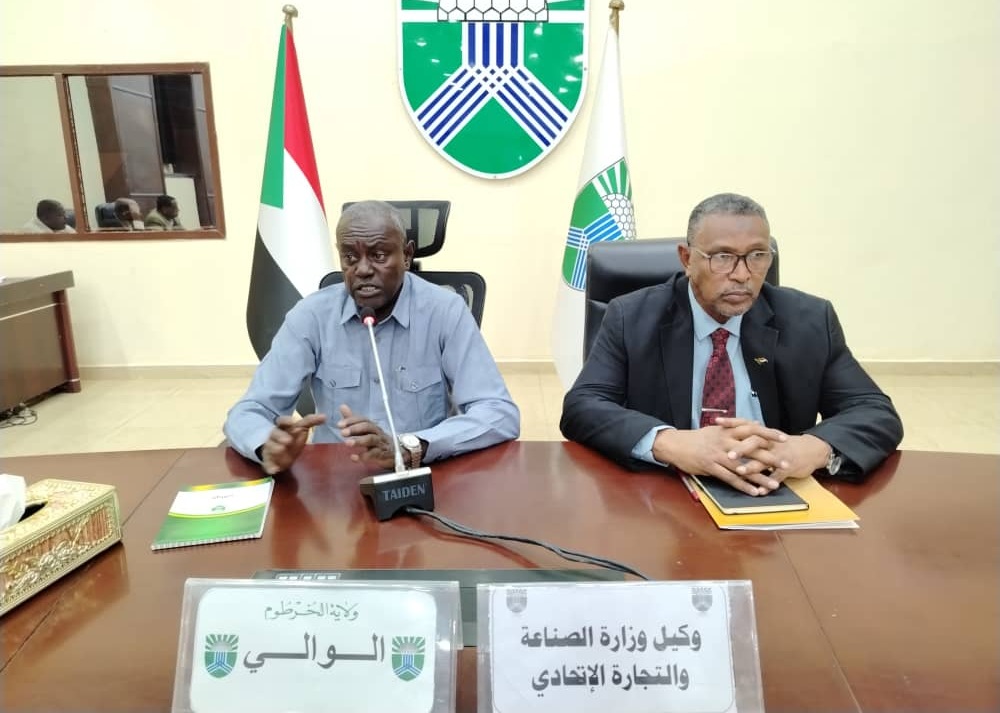
- Khartoum Governor Ahmed Osman Hamza chaired a meeting that decided to exempt bakeries from all local fees until year-end.
- Bakeries are mandated to adhere to their previous bread prices, with a follow-up meeting planned to finalize pricing details.
- The government emphasized citizen welfare and the need to stabilize bread availability amidst economic challenges.
Khartoum Implements Bread Price Controls
Foremost among these was the decision to exempt all bakeries from local fees imposed by localities, effective until the end of the current year.
On Saturday, September 5, 2026, the Khartoum State government announced a package of measures aimed at stabilizing bread prices. This intervention follows a rapid escalation in the cost of flour and overall production expenses, which had led to a significant increase in the price of bread across the state. Some bakeries had begun selling a single piece of bread for 500 Sudanese pounds, a sharp rise from the previous rate where three pieces were available for 1000 pounds.
The state's media office confirmed these steps were designed to ensure that citizens could continue to access bread at its former prices, directly addressing the recent surge in flour costs. The government's immediate focus is on mitigating the impact of these price hikes on the daily lives of residents, particularly concerning this essential food item.
Addressing Rising Costs
The necessity for these controls arose from the continuous depreciation of the Sudanese pound against foreign currencies. This ongoing economic challenge directly inflated the cost of imported flour and other essential inputs required for bread production. Consequently, bakeries faced mounting financial pressure, prompting some to adjust their pricing structures upwards to reflect these increased operational expenditures.
The government's response seeks to mitigate the impact of these broader economic pressures on staple food availability and affordability for the populace. This proactive stance aims to prevent further instability in the supply chain and ensure that basic commodities remain accessible despite the challenging economic environment.
Fee Exemptions and Mandated Pricing
Khartoum Governor Ahmed Osman Hamza convened an extensive meeting to deliberate on the ramifications of the escalating flour prices. Key participants included Ahmed Al-Mustafa Ali, the Secretary-General of the State Government, along with representatives from various relevant ministries, executive directors of local administrative units, milling companies, distribution agents, and bakery owners. The discussions culminated in several crucial recommendations.
Foremost among these was the decision to exempt all bakeries from local fees imposed by localities, effective until the end of the current year. Furthermore, bakeries were explicitly instructed to revert to and maintain their previous pricing structures for bread. The meeting also stipulated that another session would be held to finalize the precise details regarding the regulated price, indicating a phased approach to the implementation of these Sudan bread price regulation efforts.
Official Stance and Future Steps
Governor Hamza underscored that the welfare of the citizen remains the paramount priority for his administration during this period. He stressed the critical need for governmental intervention to curb the upward trajectory of prices and to ensure the stable availability of bread across the state. This commitment to public welfare underpins the temporary measures, including the Khartoum bakeries fee exemption, designed to alleviate immediate financial burdens on both producers and consumers.
The upcoming meeting is expected to solidify the long-term strategy for bread price regulation in Sudan, ensuring sustainable access to this essential commodity. These efforts highlight the government's determination to implement Sudan food price controls and support Khartoum state bakery subsidies to stabilize the market.
Practical Implications
Lawyers advising bakeries or food distributors in Khartoum should be aware of the temporary exemption from local fees and the mandated bread price controls. This impacts financial planning, compliance obligations, and potential avenues for challenging or adhering to the new pricing structure.
Source
How does this affect you?
Get an AI analysis of this article grounded in your jurisdictions, practice areas, and any policy documents you've uploaded to Wansom.
Finish Reading the Full Story and the Expert Analysis.
Wansom is AI and can make mistakes.