
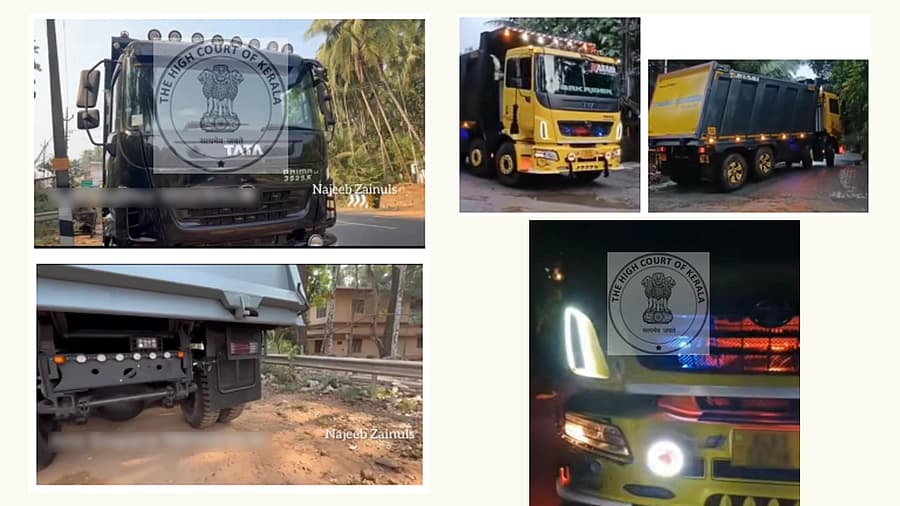
Kerala High Court: e-DAR Illegal Modifications Must Include Photo/Video Evidence
Summary
- The Kerala High Court has directed the Motor Vehicles Department to include photos and videos of illegal vehicle modifications in e-DAR accident reports.
- This mandate, issued on October 8, 2026, by Justices Anil K Narendran and Muralee Krishna S, is part of a *suo motu* case on road safety.
- Inspecting officers must document safety standard violations, engine performance alterations, and braking system changes.
- The directive aims to enhance evidence for accident claims and increase scrutiny on vehicle safety in Kerala.
- The court noted prior instructions from the Transport Commissioner on these matters, reinforcing their importance.
Court Mandates Enhanced Accident Reporting
Lawyers handling such cases will now have direct access to visual proof of modifications, which can be crucial in assessing liability, determining contributory negligence, and presenting evidence in court.
The Kerala High Court has issued a significant directive to the Motor Vehicles Department (MVD) concerning the documentation of vehicle accidents. Effective October 8, 2026, all accident reports uploaded to the Electronic Detailed Accident Report (e-DAR) portal must now include photographic and video evidence specifically detailing any illegal modifications present on the vehicles involved. This mandate aims to provide a more comprehensive and accurate record of accident circumstances.
The order, delivered by Justices Anil K Narendran and Muralee Krishna S, stems from a *suo motu* case, `Suo Motu v Union of India & Ors`, which addresses critical issues of road safety and unauthorized vehicle alterations within Kerala. The court explicitly instructed the Transport Commissioner, through the Deputy Transport Commissioners, to ensure that inspecting officers meticulously upload these visual details to the e-DAR portal, accessible at `www.irad.parivahan.gov.in`.
Beyond general modifications, the directive specifies that officers must document any violations of safety standards that could heighten the risk of injury, particularly those related to vehicle bodywork. Furthermore, the court emphasized the inclusion of illegal alterations designed to boost engine performance and any modifications made to the vehicle's braking system, ensuring a thorough capture of all relevant factors.
Legal Context and Enforcement Focus
This judicial intervention arises from an ongoing *suo motu* proceeding initiated by the Kerala High Court to proactively address pervasive issues of road safety and the widespread problem of unauthorized vehicle modifications across the state. The court's proactive stance underscores a growing concern regarding the impact of such alterations on public safety and the integrity of accident investigations.
The High Court's order also noted that the Transport Commissioner had already issued extensive instructions to transport officials on September 17, 2026, regarding these matters. The court's directive effectively reinforces and expands upon these existing administrative guidelines, transforming them into a judicial mandate with direct implications for enforcement and evidence collection. This move signals a concerted effort to standardize and enhance the quality of accident data available through the e-DAR portal, making it a more robust tool for legal and administrative processes.
Implications for Accident Claims and Safety Standards
The requirement for detailed photographic and video evidence of illegal vehicle alterations in e-DAR reports holds significant implications for motor accident claims and insurance disputes in Kerala. Lawyers handling such cases will now have direct access to visual proof of modifications, which can be crucial in assessing liability, determining contributory negligence, and presenting evidence in court. This enhanced documentation will likely streamline the evidentiary process and provide clearer insights into the causal factors of accidents.
This directive by the Kerala High Court, under Justices Anil K Narendran and Muralee Krishna S, also underscores a broader push for increased scrutiny on vehicle safety standards throughout India. By mandating the capture of `illegal vehicle alterations India` within official `accident report vehicle modifications`, the court is not only improving the quality of `e-DAR portal evidence` but also sending a strong message to vehicle owners and modifiers about the legal consequences of non-compliance. The focus on `Kerala High Court e-DAR illegal modifications` is expected to lead to more rigorous enforcement by the `Motor Vehicles Department Kerala`, ultimately contributing to safer roads.
Practical Implications
Lawyers handling motor accident claims or insurance disputes in Kerala should note that accident reports uploaded to the e-DAR portal will now routinely include photographic and video evidence of illegal vehicle modifications, which can significantly impact liability assessments and evidence presentation in court. This directive also signals increased enforcement scrutiny on vehicle safety standards.
Source
Source: Original reporting via Live Law
How does this affect you?
Get an AI analysis of this article grounded in your jurisdictions, practice areas, and any policy documents you've uploaded to Wansom.
Finish Reading the Full Story and the Expert Analysis.
Get the latest legal & regulatory intelligence in India
Wansom is AI and can make mistakes.