
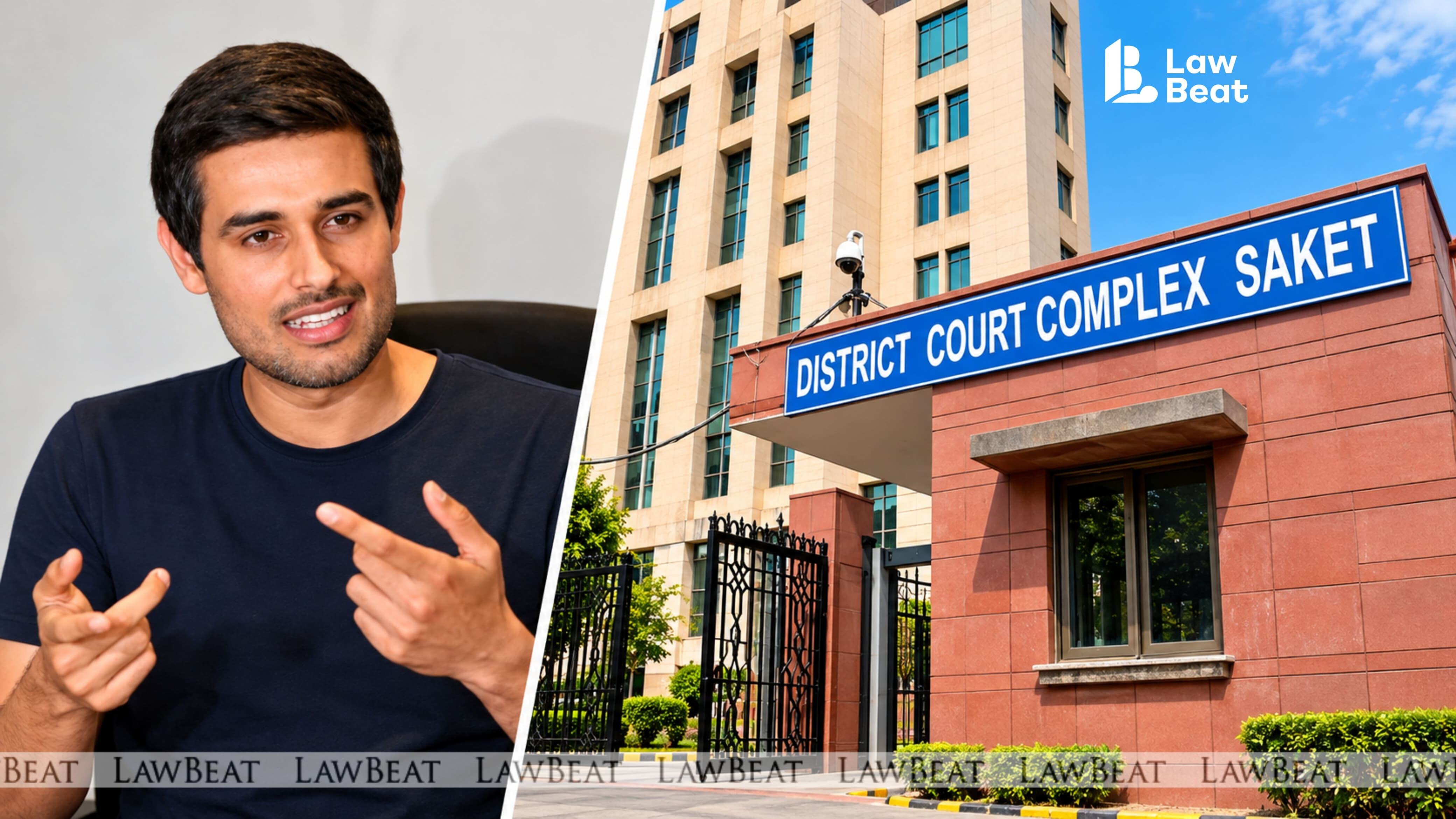
Delhi Court: Dhruv Rathee Defamation Suit Filed Over Hindu Deities Video
Summary
- Advocate Amita Sachdeva has filed a civil defamation suit against YouTuber Dhruv Rathee.
- The legal action in a Delhi court stems from a video by Rathee concerning Hindu deities.
- Sachdeva alleges that Rathee is on a "mission to defame my religious feelings" through his content.
- She is seeking a declaration, monetary damages, and other forms of relief from the court.
- The plaintiff's counsel argued that individuals must represent deities in court when religious sentiments are defamed.
What Happened
The counsel articulated that while a deity, such as Lord Rama, cannot personally appear in court to file a complaint, it becomes incumbent upon an individual to step forward and represent the defamed religious sentiments.
A civil defamation suit has been initiated against popular YouTuber Dhruv Rathee in a Delhi court. The plaintiff, advocate Amita Sachdeva, filed the action concerning a video produced by Rathee that allegedly touches upon Hindu deities. This legal challenge brings a prominent online content creator into a judicial proceeding over content perceived as religiously sensitive.
The Delhi court recently conducted an initial hearing, reviewing the submissions presented in the case. Sachdeva's complaint asserts that Rathee is engaged in a deliberate "mission to defame my religious feelings" through his video content. This accusation forms the core of the defamation claim, highlighting the personal impact alleged by the plaintiff.
Legal Context
The lawsuit is categorized as a civil defamation suit, seeking various forms of relief from the court. Specifically, Amita Sachdeva is requesting a declaration from the court, monetary damages, and other unspecified forms of relief. These demands underscore the serious nature of the allegations and the potential financial and reputational consequences for the defendant, Dhruv Rathee.
A key argument presented by the plaintiff's counsel during the hearing addressed the unique aspect of defamation when religious figures are involved. The counsel articulated that while a deity, such as Lord Rama, cannot personally appear in court to file a complaint, it becomes incumbent upon an individual to step forward and represent the defamed religious sentiments. This legal stance provides a framework for individuals to pursue legal recourse on behalf of their religious beliefs when they perceive them to be attacked or disrespected by public content, particularly in cases involving Hindu deities video defamation India.
Why It Matters
This case serves as a significant indicator of the growing trend of legal challenges faced by content creators in India, especially when their work delves into areas of religious sentiment. The fact that a prominent figure like Dhruv Rathee is subject to a civil defamation suit in a Delhi court over a video concerning Hindu deities highlights the increasing sensitivity surrounding such topics within the country's legal landscape. It underscores the potential for substantial legal action and the need for content creators to be acutely aware of the cultural and religious nuances in their productions.
The suit brought by Amita Sachdeva against Dhruv Rathee, alleging defamation of religious feelings, carries broader implications for the digital media space. It signals that content creators, including those operating on platforms like YouTube, are not immune from legal scrutiny for their output. The pursuit of damages and a declaration in this civil defamation religious feelings case could set a precedent or at least contribute to a growing body of jurisprudence regarding the boundaries of free expression versus the protection of religious sentiments in India, impacting how defamation suit content creators India navigate their creative freedom.
Practical Implications
Lawyers advising content creators and media houses in India should note the increasing trend of civil defamation suits filed over content touching on religious sentiments, even when the 'defamed' party is a deity. This case highlights the potential for significant legal action and damages, necessitating careful review of content for religious sensitivities to mitigate litigation risk.
Source
How does this affect you?
Get an AI analysis of this article grounded in your jurisdictions, practice areas, and any policy documents you've uploaded to Wansom.
Finish Reading the Full Story and the Expert Analysis.
Get the latest legal & regulatory intelligence in India
Wansom is AI and can make mistakes.