
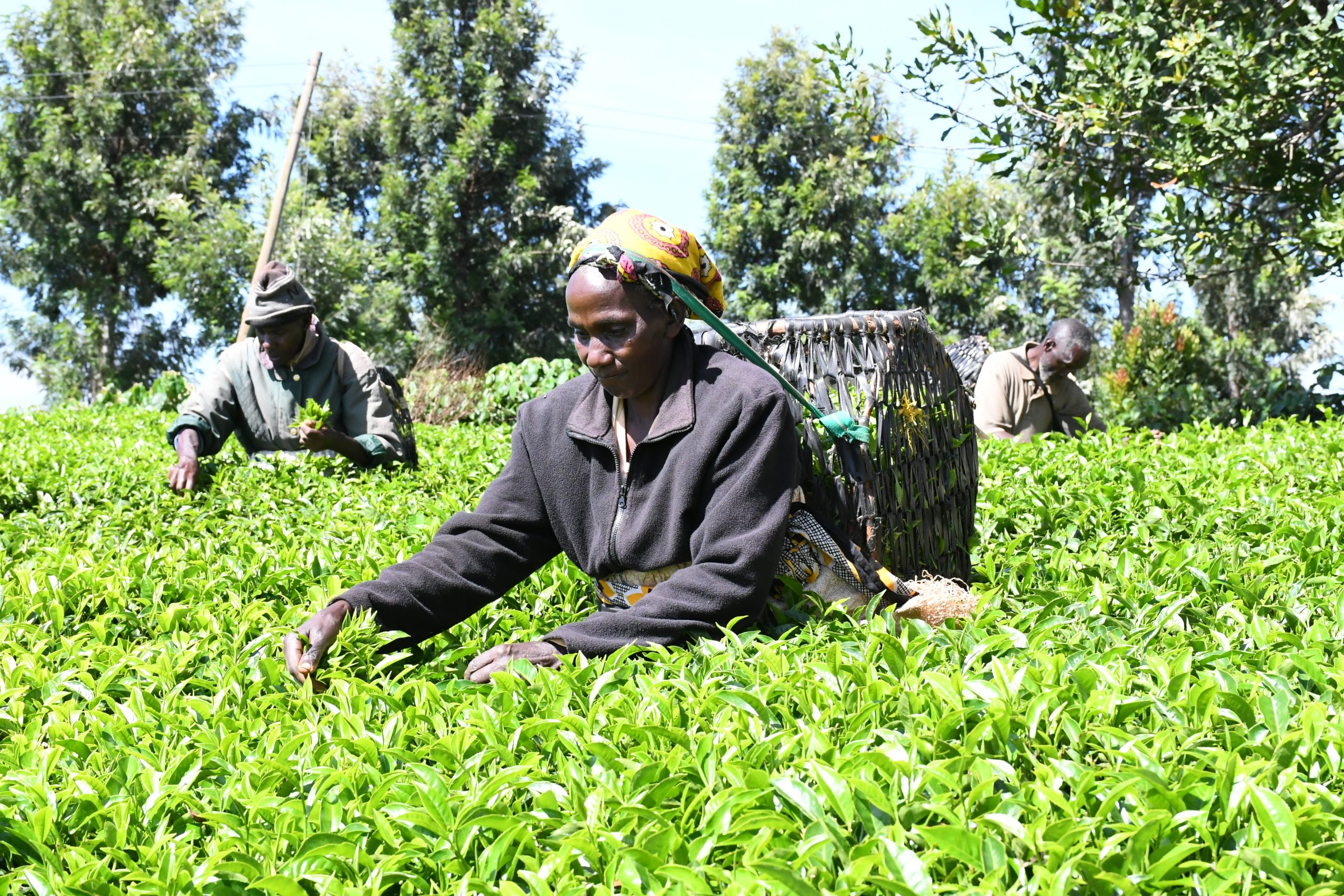
Kenya Tea Factories Reject Substandard Leaves Under Mutahi Kagwe Directive
Summary
- Agriculture Cabinet Secretary Mutahi Kagwe has directed tea factories in Kenya to reject substandard tea leaves.
- The directive aims to address long-standing issues of poor-quality tea being mixed with good-quality leaf.
- Compliant farmers who meet the new standards will receive payment for their produce, while non-compliant ones risk losing business or facing penalties.
What Happened
The rejection of substandard tea leaves has significant implications for Kenya's tea industry, which is a major contributor to the country's economy.
Kenya's tea industry is set for a shake-up as Agriculture and Livestock Development Cabinet Secretary Mutahi Kagwe has issued a directive to tea factories across the country. The directive instructs factories to reject substandard tea leaves delivered by farmers, which will likely have far-reaching consequences for both compliant and non-compliant producers. This move aims to address the long-standing issue of poor-quality tea being mixed with good-quality leaf, ultimately affecting the entire factory's output and earnings. As a result, farmers who fail to meet the new standards risk losing business or facing penalties.
Legal Context
The directive is a significant development in Kenya's agricultural sector, which has been grappling with issues of quality control for years. Tea factories have long struggled with the consequences of blending substandard leaves with high-quality ones, resulting in downgraded tea that affects all producers. The new directive seeks to rectify this situation by ensuring that only compliant farmers receive payment for their produce. This move is likely to be closely monitored by lawyers advising tea farmers, who will need to ensure their clients are aware of the potential consequences of non-compliance.
Why It Matters
The rejection of substandard tea leaves has significant implications for Kenya's tea industry, which is a major contributor to the country's economy. The directive aims to improve the overall quality of Kenyan tea and increase earnings for compliant farmers. However, it also poses challenges for non-compliant producers who risk losing business or facing penalties. As the industry adapts to this new reality, lawyers advising tea farmers will need to provide guidance on compliance with the new standards and potential consequences of non-adherence.
Practical Implications
Lawyers advising tea farmers in Kenya should note that the new directive may lead to increased scrutiny of tea leaf quality, potentially exposing non-compliant farmers to penalties or loss of business.
Source
How does this affect you?
Get an AI analysis of this article grounded in your jurisdictions, practice areas, and any policy documents you've uploaded to Wansom.
Wansom is AI and can make mistakes.