
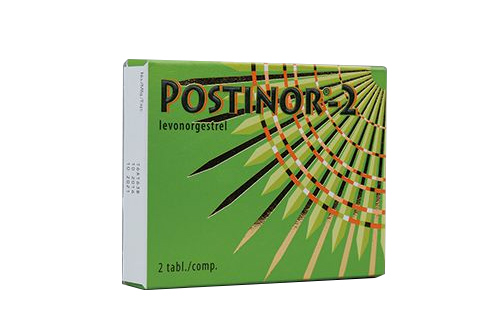
Kenya Pharmacy and Poisons Board Warns on Counterfeit Postinor-2
Summary
- The Pharmacy and Poisons Board (PPB) has warned Kenyans about a counterfeit batch of Postinor-2 emergency contraceptive pills circulating in the market.
- The affected product bears batch number T34197R and falsely claims to have been manufactured by Gedeon Richter Plc.
- Pharmacies and healthcare providers should verify the authenticity of Postinor-2 stock with the PPB to avoid dispensing counterfeit products.
What Happened
The regulator's warning emphasizes the importance of verifying the authenticity of pharmaceutical products before dispensing them to patients.
The Pharmacy and Poisons Board (PPB) has issued a warning to Kenyans about a counterfeit batch of Postinor-2 (P-2) emergency contraceptive pills circulating in the market. The affected product, bearing batch number T34197R, falsely claims to have been manufactured by Gedeon Richter Plc. This is not an isolated incident, as the PPB has previously detected falsified versions of Postinor-2. The regulator's warning emphasizes the importance of verifying the authenticity of pharmaceutical products before dispensing them to patients.
The counterfeit pills in question are labeled as Levonorgestrel 0.75mg, which is the active ingredient in genuine Postinor-2. However, the PPB has found that these fake pills do not contain the correct amount of Levonorgestrel, posing a significant risk to public health.
Legal Context
The Pharmacy and Poisons Board's warning is in line with its regulatory mandate to ensure the safety and efficacy of pharmaceutical products in Kenya. The PPB has a responsibility to protect consumers from counterfeit or substandard medicines, which can have serious consequences for public health. In this case, the PPB's investigation revealed that the counterfeit Postinor-2 pills do not meet the required standards, making them potentially hazardous to those who take them.
The PPB's actions are also guided by international regulations and guidelines on pharmaceutical safety. The World Health Organization (WHO) estimates that up to 30% of medicines in developing countries may be counterfeit, highlighting the need for robust regulatory frameworks and enforcement mechanisms.
Why It Matters
The warning issued by the Pharmacy and Poisons Board highlights the importance of verifying the authenticity of pharmaceutical products before dispensing them to patients. Pharmacies and healthcare providers should take immediate action to check their stock against the PPB's list of affected batches, ensuring that they do not dispense counterfeit Postinor-2 pills.
The consequences of dispensing counterfeit medicines can be severe, including non-compliance with medical regulations and potential harm to patients. In this case, the PPB's warning serves as a reminder of the critical role that regulatory bodies play in protecting public health and safety.
Practical Implications
Pharmacies and healthcare providers should verify the authenticity of Postinor-2 stock with the Pharmacy and Poisons Board to avoid dispensing counterfeit products, which could lead to non-compliance with medical regulations.
Source
How does this affect you?
Get an AI analysis of this article grounded in your jurisdictions, practice areas, and any policy documents you've uploaded to Wansom.
Wansom is AI and can make mistakes.