
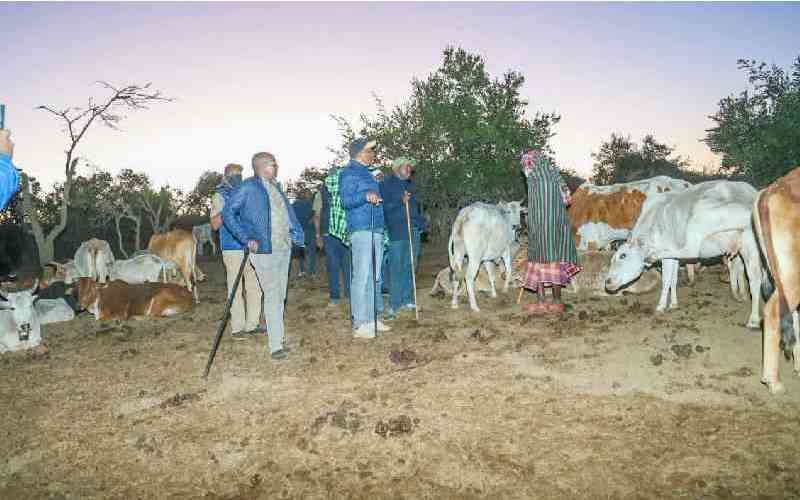
Kenya Parliament: Isiolo Banditry Investigation Launched
Summary
- The Kenyan National Assembly has launched an investigation into persistent banditry and cattle rustling in Isiolo County following public petitions.
- Petitions call for reclassifying organized banditry as terrorism under the Prevention of Terrorism Act, 2012.
- Proposed legislation includes a Livestock Loss, Traceability, Compensation and Recovery Framework to address theft and support affected communities.
- The inquiry will examine the failure of existing security measures and the evolution of cattle rustling into a commercialized criminal enterprise.
- The economic stability of Isiolo, heavily reliant on pastoralism, is severely undermined by large-scale livestock losses and insecurity.
What Happened
The economic stability of Isiolo County is predominantly reliant on pastoralism, making the widespread theft of livestock a direct threat to the livelihoods and food security of its communities.
The Kenyan Parliament has initiated a comprehensive inquiry into the persistent issue of banditry and cattle rustling plaguing Isiolo County. This parliamentary action, specifically a Kenya Parliament Isiolo banditry investigation, follows the submission of several petitions to the National Assembly, which call for more robust security measures, enhanced livestock tracking systems, and decisive action against the sophisticated criminal networks operating in the region. These petitions have been formally assigned to the Departmental Committee on Administration and Internal Security, tasked with thoroughly assessing the current security landscape and evaluating a range of proposed solutions to address the escalating problem.
The impetus for this parliamentary intervention stems from mounting public pressure concerning the deteriorating security situation in Isiolo and the broader northern parts of the country. A significant demonstration on October 7, organized by Abdikadir Suleiman, aimed to bring national attention to the severe impact of insecurity on local communities, including widespread livestock losses and the disruption of livelihoods. Suleiman emphasized that the mobilization sought to elevate these community grievances into the national discourse, paving the way for parliamentary engagement on security, cattle rustling, the recovery of stolen animals, and compensation for victims.
Speaker Moses Wetang’ula, in presenting the petitions to the House, highlighted the dire consequences of recurrent armed attacks and livestock raids in Isiolo. He noted that these incidents have resulted in fatalities, injuries, the destruction of homes and vital infrastructure, the displacement of families, and the closure of essential services like schools and health facilities. The petitioners contend that existing security interventions have proven inadequate in curbing the problem, which they describe as an evolving, organized criminal enterprise.
Legal Context
Central to the petitions are several key legislative and policy demands aimed at fundamentally altering the approach to combating banditry. Among these is a call for amendments to the Prevention of Terrorism Act, 2012, specifically to reclassify organized armed banditry and commercialized cattle rustling as acts of terrorism. This reclassification would significantly broaden the legal tools available to prosecute and deter these activities. Furthermore, the petitioners advocate for the establishment of a permanent and adequately resourced rapid-response framework to address immediate security threats in affected areas.
Another critical proposal involves the enactment of new Kenya cattle rustling legislation to create a comprehensive Livestock Loss, Traceability, Compensation and Recovery Framework. This framework would include detailed mechanisms for verifying livestock losses, securing funding for compensation, resolving inter-county disputes arising from theft, and providing support to pastoralist communities severely impacted by livestock theft. The petitions also demand independent investigations and subsequent prosecution of any public officers suspected of financing, facilitating, or concealing banditry, underscoring a desire for accountability within the state apparatus.
The petitioners have also highlighted the absence of a functional national system for livestock identification and traceability, arguing that this deficiency allows stolen animals to be easily moved across county lines and sold, thereby fueling the criminal enterprise. A comprehensive assessment of all losses—including lives, livestock, homes, and businesses—suffered due to banditry is also sought, providing a factual basis for future compensation and recovery efforts.
Why It Matters
The economic stability of Isiolo County is predominantly reliant on pastoralism, making the widespread theft of livestock a direct threat to the livelihoods and food security of its communities. Speaker Wetang’ula underscored this vulnerability, explaining how the large-scale loss of animals severely undermines the region's economic foundation. The nature of cattle rustling has undergone a significant transformation, evolving from traditional practices into what petitioners describe as a "commercialized and heavily armed criminal enterprise." This shift has led to extensive livestock losses not only in Isiolo but also across the wider Northern Frontier and North Rift regions.
The parliamentary inquiry holds significant implications for how Kenya addresses internal security challenges, particularly in its pastoralist areas. By considering the reclassification of banditry under the Prevention of Terrorism Act 2012 amendment and the creation of a national Livestock Loss Traceability Compensation Recovery Framework, the National Assembly Administration Internal Security Committee is poised to reshape legal and operational responses. The ongoing insecurity has already caused widespread disruption, including the displacement of families and the closure of essential services, further exacerbating the humanitarian crisis in these vulnerable areas. The governor of Samburu, Lati Lelelit, visited families affected by bandit attacks in Lolmolog on October 3, 2026, highlighting the continued impact of these incidents.
Practical Implications
Lawyers should closely monitor the parliamentary committee's proceedings and any proposed legislative amendments, particularly regarding the reclassification of organised banditry under the Prevention of Terrorism Act and the establishment of a national livestock loss and compensation framework. These changes could significantly impact criminal law, property rights, and security regulations for clients operating or residing in affected pastoralist regions, requiring proactive legal advice on compliance and potential claims.
Source
How does this affect you?
Get an AI analysis of this article grounded in your jurisdictions, practice areas, and any policy documents you've uploaded to Wansom.
Finish Reading the Full Story and the Expert Analysis.
Get the latest legal & regulatory intelligence in Kenya
Wansom is AI and can make mistakes.