
IEBC Protocol Lapses: UDA Threatens Boycott Over Meeting Chaos
Summary
- The Independent Electoral and Boundaries Commission apologized for a chaotic consultative meeting in Nairobi on November 19.
- UDA chairperson Cecily Mbarire protested harassment of her party's officials by unauthorized individuals, threatening a UDA boycott of future IEBC meetings.
- IEBC Commissioner Alutalala Mukhwana admitted protocol lapses and pledged to tighten security and admission protocols for future engagements.
- Mbarire challenged IEBC chairperson Erastus Ethekon's ability to manage elections if he could not control stakeholder meetings and demanded uniformed police for security.
- The IEBC committed to mobilizing its security team, led by Natasha, to ensure only invited participants attend future sessions.
Disorder at Consultative Meeting
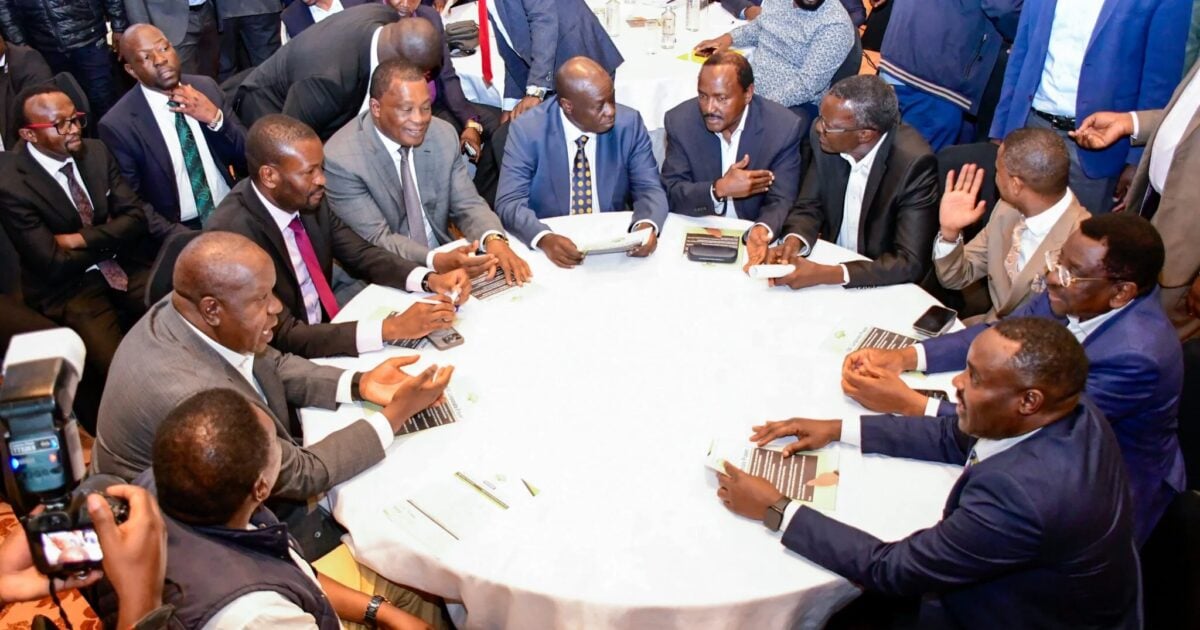
The Independent Electoral and Boundaries Commission (IEBC) has issued an apology to leaders of political parties following a disorderly consultative session held in Nairobi on November 19.
The Independent Electoral and Boundaries Commission (IEBC) has issued an apology to leaders of political parties following a disorderly consultative session held in Nairobi on November 19. This apology came in response to significant disruptions and a formal protest lodged by Cecily Mbarire, who chairs the United Democratic Alliance (UDA). Commissioner Alutalala Mukhwana delivered the commission's apology, acknowledging the chaotic atmosphere that preceded the meeting.
Mukhwana conceded that the IEBC had not anticipated the presence of uninvited individuals or the alleged mistreatment of some delegates. He stated that the commission was unaware of any infiltration or such conduct toward their officials, deeming it unacceptable and expressing profound regret. The incident highlighted significant IEBC protocol lapses, prompting the commission to commit to enhancing security measures and implementing more stringent admission protocols to prevent similar occurrences in the future.
UDA's Ultimatum and Demands
Cecily Mbarire, representing the United Democratic Alliance, voiced strong objections to what she described as the harassment and intimidation of UDA officials by individuals she claimed were not authorized to attend the meeting. She specifically accused unknown bodyguards, allegedly affiliated with opposition leaders, of interfering with seating arrangements and harassing her party's representatives. Mbarire issued a firm warning, stating that the UDA would boycott future IEBC meetings unless the commission guaranteed order, security, and equitable treatment for all political parties.
Challenging IEBC chairperson Erastus Ethekon, Mbarire questioned the electoral body's capacity to ensure a free and fair election if it could not maintain control during a stakeholder engagement. She emphasized that if the commission could not manage its own meetings and regulate who entered the room, its ability to oversee a general election was dubious. Furthermore, Mbarire demanded that the Kenya election body security be handled by uniformed police officers, rather than individuals she accused of intimidating delegates, asserting that all political party leaders deserved equal respect and treatment during consultations.
IEBC's Pledge for Enhanced Security
In response to the UDA protest and the broader concerns, Commissioner Mukhwana assured political leaders that the IEBC had duly noted the complaints and would take concrete steps to strengthen its security arrangements. He affirmed that the commission would ensure that only invited participants would gain access to subsequent consultative meetings. To achieve this, the IEBC's security team, under the leadership of Natasha, its head of security, would be mobilized to enforce tighter controls at upcoming engagements.
Mukhwana reiterated the commission's regret over the incident and pledged to ensure future meetings were properly managed, acknowledging the necessity of proper coordination and respect for all participants in political consultations. The incident also garnered support from Kisii Governor Simba Arati, who echoed Mbarire's concerns and urged the commission to enforce discipline among political leaders and their representatives. Arati cautioned that political parties would not tolerate disorder during engagements with the electoral body, stressing that cooperation must be founded on mutual respect. This disruption occurred shortly after a separate confrontation where opposition leaders, including former Deputy President Rigathi Gachagua and Wiper Patriotic Front leader Kalonzo Musyoka, staged a walkout after rejecting the agenda presented by the commission.
Practical Implications
Lawyers advising political parties or involved in election monitoring should note the IEBC's commitment to tighten security and admission protocols for consultative meetings. This development underscores the importance of ensuring fair and orderly processes in electoral engagements, which is critical for maintaining electoral integrity and mitigating potential grounds for legal disputes or challenges related to procedural fairness.
Source
How does this affect you?
Get an AI analysis of this article grounded in your jurisdictions, practice areas, and any policy documents you've uploaded to Wansom.
Finish Reading the Full Story and the Expert Analysis.
Get the latest legal & regulatory intelligence in Kenya
Wansom is AI and can make mistakes.