
Kenya Law Reform Commission: Unauthorized Spending Flagged by Auditor
Summary
- The Kenya Law Reform Commission (KLRC) is under scrutiny by MPs for Sh2.1 million and Sh400,000 in unauthorized spending on specific budget lines.
- The Auditor-General's report found that KLRC failed to follow proper budget reallocation procedures for expenditures between 2018/19 and 2024/25.
- KLRC officials argued they stayed within their overall Sh292.66 million budget, but MPs insisted on adherence to individual vote allocations.
- MPs emphasized that prior approval for fund reallocation is mandatory, regardless of whether the total budget was exceeded.
- The Public Investments Committee is focused on the principle of spending authorization, not just the overall financial outcome.
What Happened
This case underscores the stringent requirements for Kenya public finance management, where adherence to specific vote allocations and the necessity of obtaining prior approvals for any fund movements are paramount.
The Kenya Law Reform Commission (KLRC) has faced intense scrutiny from Members of Parliament regarding significant expenditures that reportedly lacked proper authorization. The National Assembly Public Investments Committee on Governance and Education recently questioned KLRC officials over audit findings spanning the 2018/19 through 2024/25 financial years, specifically targeting spending on commission activities and repairs and maintenance.
According to a report from the Kenya Auditor-General, the KLRC exceeded its approved budget in two key areas. For commission activities, Sh20.6 million was spent against an approved allocation of approximately Sh18.5 million, marking an over-expenditure of Sh2.1 million, or 11 percent. Similarly, the commission allocated about Sh3 million for repairs and maintenance, surpassing its Sh2.6 million approved budget by roughly Sh400,000, an increase of 15 percent.
Margaret Wambui, the Auditor-General’s Director of Audit, informed the committee that these additional expenditures had not undergone the necessary approval processes by the commission itself. Ms. Wambui explicitly stated that the core issue revolved around the KLRC's failure to execute proper budget reallocation procedures, emphasizing that the institution should have sought approval from its commissioners before transferring funds between different expenditure categories.
KLRC's Defense and Parliamentary Rebuttal
In response to the audit queries, Justice Peter Muneeno Musyimi, the former acting KLRC Secretary/CEO, defended the commission's financial management. He asserted that the overall expenditure remained well within its approved budget ceiling for the year, citing a total approved budget of approximately Sh292.66 million against actual spending of about Sh291.99 million. Musyimi attributed the apparent over-expenditure on specific lines to a reclassification of funds between secretariat and commission accounts, a change he claimed was made following recommendations from the audit process itself.
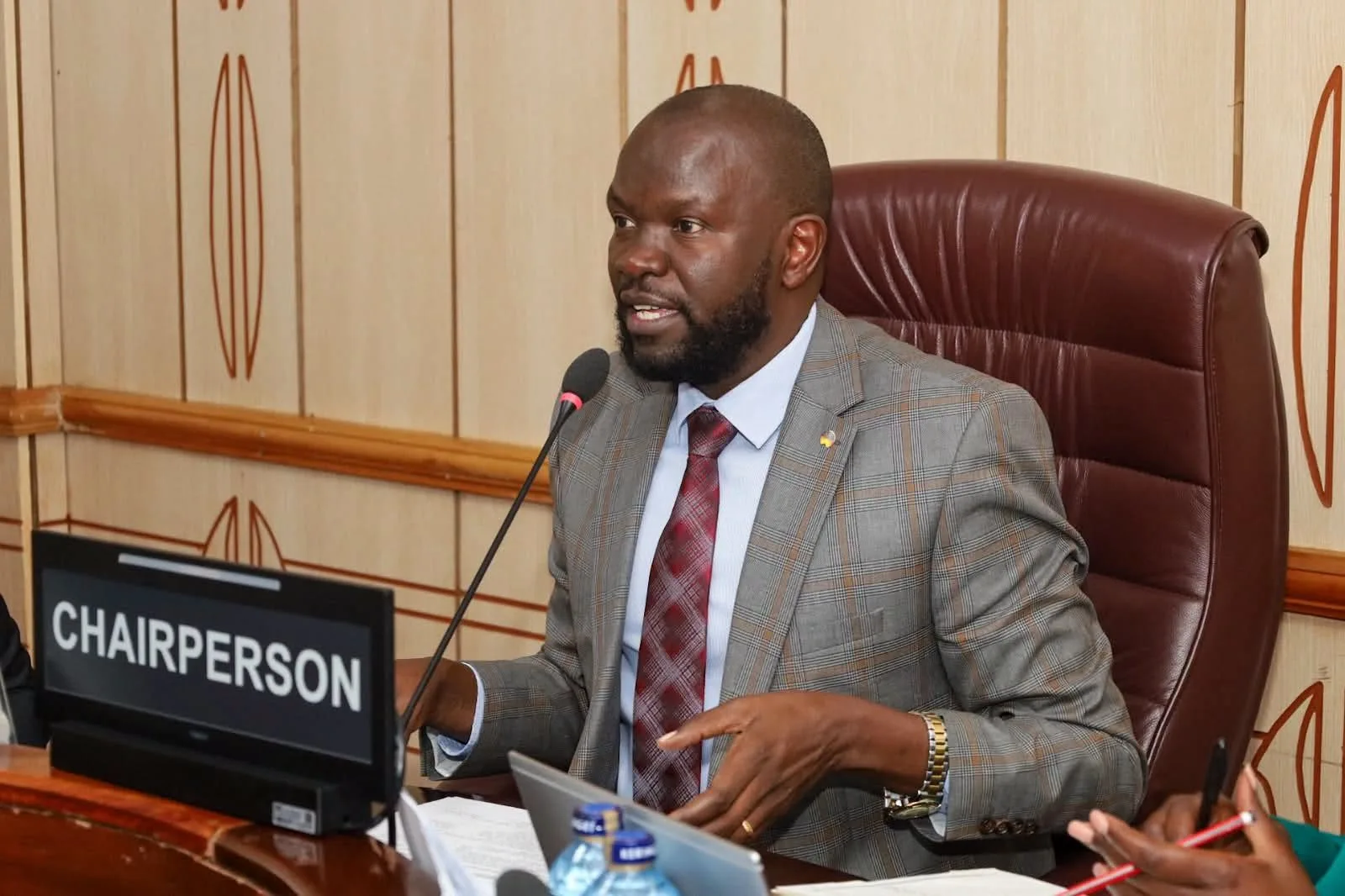
However, Members of Parliament swiftly rejected this explanation, insisting that their focus, and that of the Kenya Auditor-General report, was on the specific expenditure lines flagged for unauthorized spending, not the commission's aggregate budget. Luanda MP Dick Maungu, who chairs the Public Investments Committee Kenya, underscored that the fundamental question was whether funds had been spent beyond approved allocations without proper authorization. He stressed the imperative for public institutions to strictly adhere to their approved budgets and secure explicit authorization before any fund reallocation.
Other committee members echoed this firm stance. Central Imenti MP Moses Kirima directly challenged KLRC officials to confirm whether the Sh2.6 million allocation for repairs and maintenance had indeed been exceeded by the Sh3 million spent, dismissing lengthy explanations about accounting classifications. Bomachoge Chache MP Alpha Miruka reinforced that the fact of not exceeding the overall budget did not automatically legitimize spending above individual vote allocations, highlighting a critical aspect of government expenditure oversight Kenya.
Legal and Procedural Context
The crux of the matter, as highlighted by the Kenya Auditor-General report and the parliamentary committee, lies in the strict procedural requirements governing budget reallocation within public institutions. Margaret Wambui's testimony made it clear that the KLRC's failure to seek prior approval from its commissioners before moving funds between different expenditure lines constituted a significant breach. This procedural lapse is central to the KLRC budget reallocation audit findings.
Narok Woman Representative Rebecca Tonkei further elaborated on this point, emphasizing that the KLRC ought to have secured approval to transfer funds from one vote to another *before* the expenditure was incurred, rather than attempting to justify the changes retrospectively. Igembe Central MP Daniel Karitho clarified that the committee's concern was not necessarily about the loss of funds, but rather the fundamental issue of spending without proper authorization. He unequivocally stated, "There was overspending. They overspent without authorisation."
This case underscores the stringent requirements for Kenya public finance management, where adherence to specific vote allocations and the necessity of obtaining prior approvals for any fund movements are paramount. The scrutiny by the Public Investments Committee Kenya serves as a reminder that even if an institution's total spending remains within its overall budget, unauthorized spending on individual line items is a serious matter, demanding accountability and adherence to established protocols.
Why It Matters
The ongoing inquiry into the Kenya Law Reform Commission's unauthorized spending carries significant implications for public sector accountability and financial governance across Kenya. This incident serves as a stark illustration that simply remaining within an overall budget ceiling does not absolve public entities from the obligation to adhere to specific, approved expenditure lines and the rigorous processes for budget reallocation. The detailed examination by the Public Investments Committee Kenya, driven by the Kenya Auditor-General report, sets a precedent for heightened scrutiny of how public funds are managed at a granular level.
For legal professionals and entities advising public institutions, this case highlights the critical importance of strict compliance with public finance management regulations. It reinforces that parliamentary committees and the Auditor-General will meticulously review adherence to specific vote allocations and the absolute necessity of obtaining prior approvals for any fund movements. Failure to do so, as demonstrated by the KLRC budget reallocation audit, can lead to serious accountability issues, regardless of whether the funds were ultimately lost or merely reclassified. This robust government expenditure oversight Kenya ensures transparency and proper stewardship of taxpayer money.
Practical Implications
This case highlights the strict procedural requirements for budget reallocation and expenditure authorization within Kenyan public institutions, even when overall budget ceilings are met. Lawyers advising public entities or involved in public finance should note the heightened scrutiny by parliamentary committees and the Auditor-General on adherence to specific vote allocations and the necessity of obtaining prior approvals for any fund movements to avoid accountability issues.
Source
How does this affect you?
Get an AI analysis of this article grounded in your jurisdictions, practice areas, and any policy documents you've uploaded to Wansom.
Wansom is AI and can make mistakes.