
UN Warns AI Regulation Failing to Keep Pace with Risks Facing Children in Kenya
Summary
- The UN warns that AI regulation is failing to keep pace with risks facing children and young people in Kenya.
- Over 82% of young people aged 15 to 24 are online globally, exposing them to a range of dangers.
- The UN has called for an AI Child Safety Pledge covering every AI system accessible to children.
- A new approach is needed to combine protection with participation and recognize children's rights in digital environments.
Risks Mounting for Children in Kenya
The United Nations has sounded an alarm about the escalating risks facing children and young people in Kenya, particularly in the digital realm. With over 82% of young people aged 15 to 24 online globally, they are increasingly exposed to a range of dangers, from synthetic and misleading content to AI-facilitated exploitation. According to the UN, these risks cannot be attributed solely to individual choices or inadequate parental supervision; rather, they are also linked to digital business models that monetize attention and personal data. The UN warns that children's rights and safety are being compromised by the rapid evolution of artificial intelligence and digital platforms, which is outpacing regulatory frameworks designed to protect them.
A Call for Urgent Action
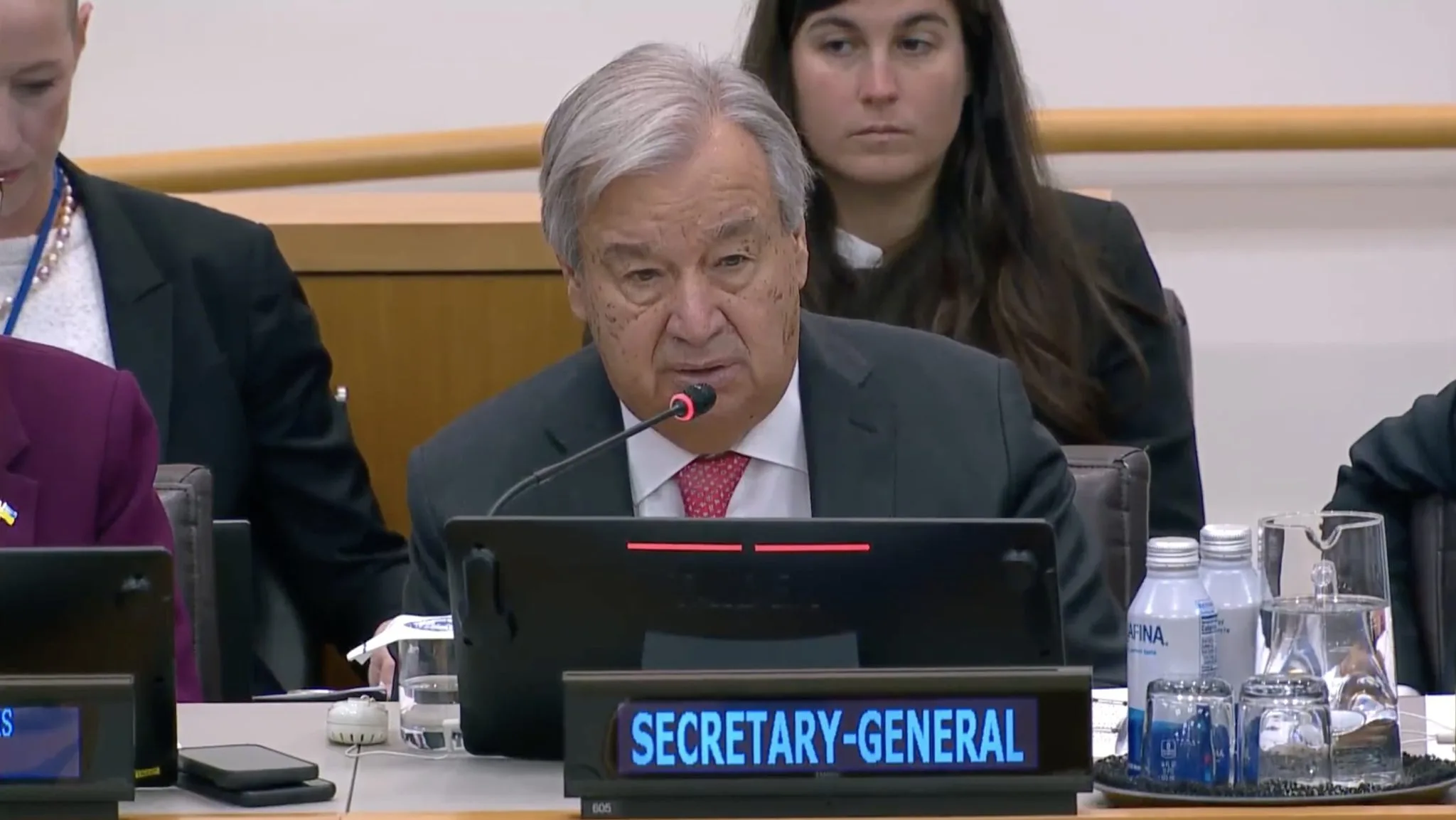
The UN has issued a call for urgent action to place children's rights, safety, and participation at the centre of emerging AI governance. This requires governments, technology companies, advertisers, media organisations, and researchers to act collectively to address the compounding risks facing children and young people. The UN Secretary-General, António Guterres, has called for an AI Child Safety Pledge covering every AI system accessible to children, as part of a broader effort to strengthen information integrity and protect children's rights in the digital age. Guterres has also emphasized that no child should be treated as a 'guinea pig' for unregulated AI, and that when harm occurs, it is not acceptable to blame the algorithm.
A New Approach to AI Governance
The UN's latest issue brief proposes a dual approach that combines protection with participation. This involves recognizing children and young people not only as potential victims of digital harms but also as creators, advocates, and organizers. The brief assigns responsibilities across the digital ecosystem, urging governments to establish clear regulations while empowering children, parents, guardians, and educators to navigate digital environments safely. Technology companies are being urged to put child safety and rights at the centre of product design and business models, while advertisers can drive change by demanding stronger safeguards in digital advertising.
Practical Implications
Lawyers advising clients on AI-related projects should be aware of the UN's call for urgent action to protect children's rights and safety, and consider incorporating child-friendly design principles into their product development. They should also monitor regulatory developments in Kenya and other African countries as they relate to AI governance.
Source
How does this affect you?
Get an AI analysis of this article grounded in your jurisdictions, practice areas, and any policy documents you've uploaded to Wansom.
Wansom is AI and can make mistakes.