
Kenya Judiciary: Launches 2027 Election Dispute Training for Magistrates
Summary
- The Kenyan Judiciary has launched a nationwide training program for magistrates on electoral dispute resolution.
- Over 400 judicial officers and staff will be trained across all 47 counties before the 2027 General Election.
- The training aims to ensure courts can handle election petitions within strict constitutional timelines and avoid frivolous proceedings.
- Magistrates will play a critical role in addressing election-related offenses and petitions for County Assembly seats.
- The curriculum covers electoral law, statutory timelines, digital evidence, and judgment writing, among other key areas.
Proactive Judicial Training for 2027 Polls
This emphasis highlights the judiciary's commitment to establishing a robust and credible electoral dispute resolution framework well in advance of the next general election.
The Kenyan Judiciary has initiated a comprehensive nationwide training program for magistrates across all 47 counties, specifically focusing on electoral dispute resolution. This proactive measure forms a critical part of the early preparations for the 2027 General Election, aiming to ensure that courts are fully equipped to manage election petitions efficiently and within the stringent constitutional timelines. The ambitious program intends to train more than 400 judicial officers and support staff before the upcoming elections, signifying a significant investment in judicial capacity building.
Justice Eric Ogola, a High Court Principal Judge and member of the Judiciary Committee on Elections Kenya, underscored the profound constitutional significance of election petitions. He urged judicial officers to approach electoral disputes with utmost seriousness and promptness, cautioning against the detrimental effects of frivolous proceedings that could erode public trust in the integrity of the electoral process. This emphasis highlights the judiciary's commitment to establishing a robust and credible electoral dispute resolution framework well in advance of the next general election.
Strengthening Electoral Justice Mechanisms and Public Trust
The ongoing preparations are both deliberate and essential, according to High Court Judge Justice Emily Ominde, who spoke on behalf of Justice Mohamed Warsame, the Chairperson of the Judiciary Committee on Elections. These concerted efforts are designed to safeguard the fundamental right to fair elections and guarantee that all disputes are resolved equitably, spanning the periods before, during, and after the 2027 polls. This commitment extends to ensuring that the mechanisms for electoral justice are robust, accessible, and perceived as impartial by the public.
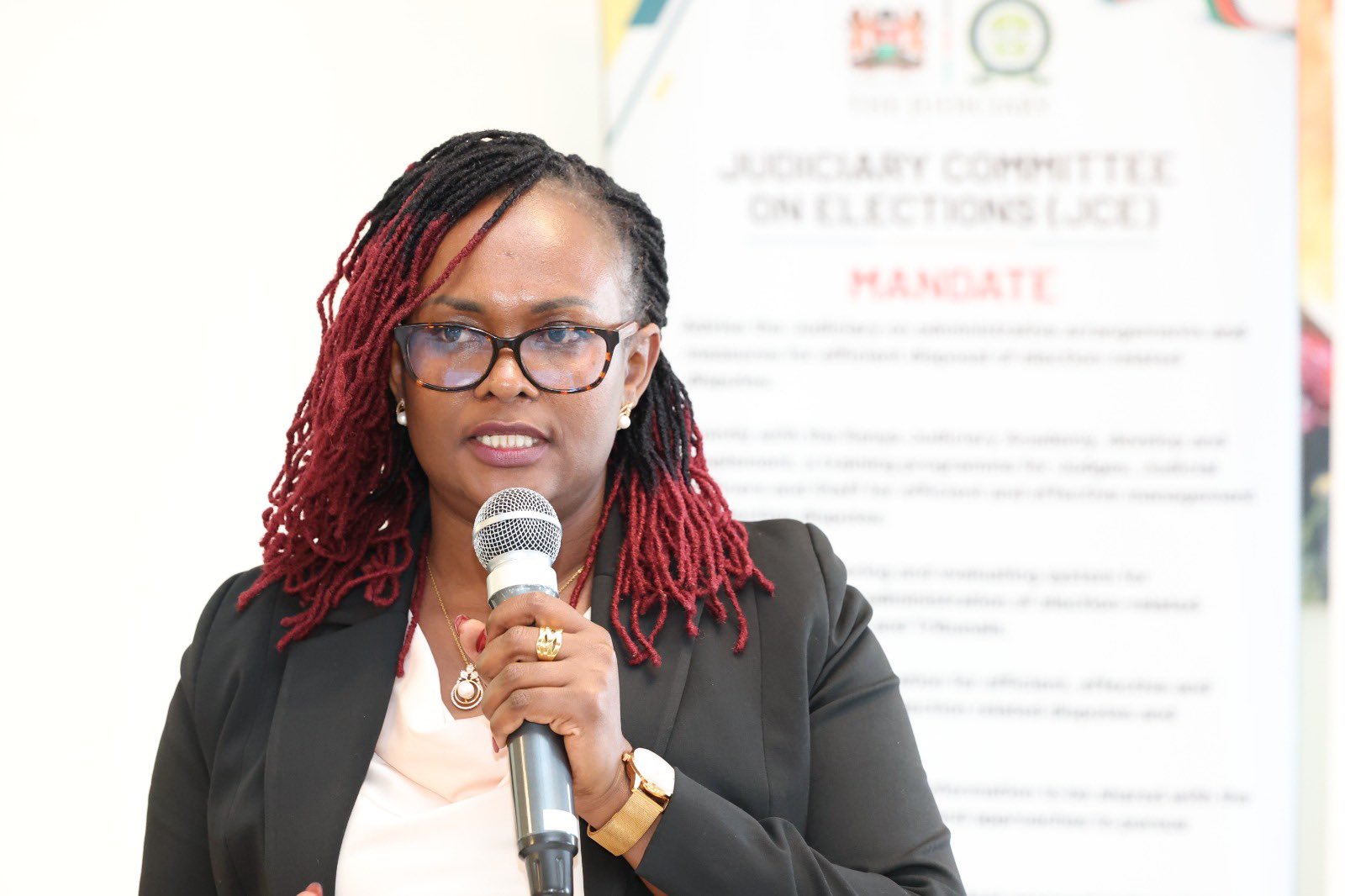
Registrar of Magistrates’ Courts, Caroline Kabucho, further elaborated on the pivotal role magistrates will assume in addressing election-related offenses and handling Kenya magistrates election petitions 2027, particularly those concerning County Assembly seats. Kabucho challenged judicial officers to prioritize the experience of court users, stressing that any delays in election cases could lead to severe repercussions given the strict statutory timelines governing their determination. She emphasized that public perception of the judiciary is profoundly shaped by the treatment individuals receive when they interact with the courts, rather than by internal administrative metrics alone.
Comprehensive Skill Development for Complex Electoral Cases
The necessity for thorough preparation before any disputes arise was also highlighted by Kabucho, who pointed out that constitutional timelines commence immediately upon the filing of an election petition. This critical detail underscores the urgency and precision required from the outset of any legal challenge, leaving no room for delayed readiness. The training, structured into three distinct cohorts, covers a wide array of crucial topics essential for effective electoral dispute resolution.
Key areas of instruction include a deep dive into electoral law, understanding statutory timelines, mastering the procedures for scrutiny and recounts, adapting to the application of electoral technology, proficiently handling digital evidence, and refining the intricacies of judgment writing. This comprehensive Kenya electoral law training aims to equip judicial personnel with the specialized knowledge and skills needed to navigate the complexities of election cases, thereby reinforcing the judiciary's capacity to deliver timely, fair, and just outcomes in the highly anticipated 2027 election cycle.
Practical Implications
Lawyers and compliance officers involved in electoral matters should anticipate a more prepared and procedurally stringent judiciary for the 2027 Kenyan General Election. This signals a need for meticulous preparation of election petitions, strict adherence to constitutional timelines, and a deep understanding of electoral law and digital evidence to avoid frivolous proceedings and ensure effective representation in disputes.
Source
How does this affect you?
Get an AI analysis of this article grounded in your jurisdictions, practice areas, and any policy documents you've uploaded to Wansom.
Finish Reading the Full Story and the Expert Analysis.
Get the latest legal & regulatory intelligence in Kenya
Wansom is AI and can make mistakes.