
Waiguru: Counties Urged To Reject Unconstitutional MoH Directives
Summary
- Kirinyaga Governor Anne Waiguru urged county governments to reject unconstitutional directives from the Ministry of Health.
- She emphasized that healthcare is a devolved function, requiring MoH involvement of counties in decision-making.
- The governor's call aims to protect healthcare gains achieved under devolution.
- Her statements were made in Kirinyaga during a quarterly event on Tuesday.
Governor Waiguru's Stance
The potential for "unconstitutional MoH directives Kenya" to undermine local autonomy poses a significant challenge to the integrity of the devolution process.
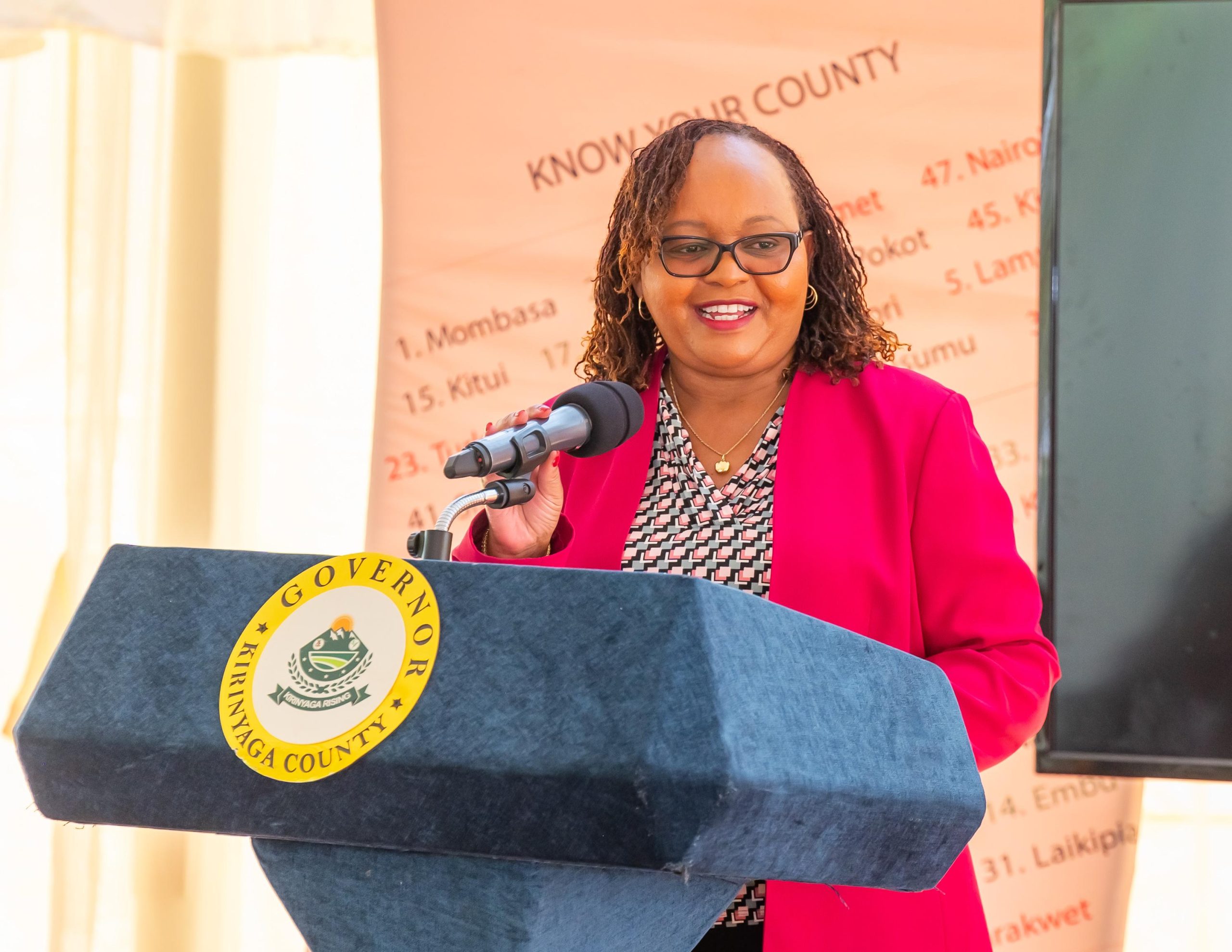
Kirinyaga Governor Anne Waiguru recently urged county administrations across Kenya to resist directives from the Ministry of Health that infringe upon the constitutional framework of devolution. Speaking from Kirinyaga on Tuesday during a quarterly event, Governor Waiguru emphasized the critical need for counties to actively protect the advancements made in healthcare delivery since the advent of devolution. Her remarks underscore a growing tension regarding the division of responsibilities between national and county levels in the health sector.
The call from Governor Waiguru specifically targets what she described as "unconstitutional directives" emanating from the Ministry of Health. She articulated that the health sector is unequivocally a devolved function, meaning that decision-making processes impacting healthcare services at the local level must necessarily involve county governments. This assertion forms the bedrock of her argument for why counties should consider rejecting such central government mandates. The governor's strong position highlights a perceived overreach by the national ministry into areas constitutionally designated for county-level governance.
The Framework of Devolved Healthcare
Under Kenya's constitutional arrangement, healthcare services are primarily managed at the county level, a fundamental aspect of the country's devolution agenda. This framework was established to bring governance closer to the people and ensure more responsive service delivery. Governor Waiguru's intervention serves as a reminder of this constitutional mandate, stressing that the Ministry of Health's role should be one of coordination and policy guidance, rather than issuing unilateral directives that bypass county authority. The principle of shared decision-making is central to the effective functioning of this devolved system.
The implication of health being a devolved function is that county governments are responsible for the planning, budgeting, and execution of most health services within their jurisdictions. Therefore, any directive from the national Ministry of Health that does not adequately consult or involve these local administrations could be seen as undermining their constitutional powers. This perspective suggests that for any healthcare policy or operational change to be legitimate and effective, it must respect the established lines of authority and collaboration between the national ministry and the 47 county governments.
Protecting Devolution's Gains
Governor Waiguru's appeal is not merely about jurisdictional disputes; it is fundamentally about safeguarding the tangible improvements and innovations in healthcare that have emerged under the devolved system. She argues that allowing the Ministry of Health to issue directives without proper county involvement risks eroding these gains and potentially centralizing control over a sector explicitly decentralized by the constitution. The governor's stance is a proactive measure to ensure that the spirit and letter of devolution are upheld, particularly in a sector as vital as public health.
The potential for "unconstitutional MoH directives Kenya" to undermine local autonomy poses a significant challenge to the integrity of the devolution process. By urging counties to reject MoH directives that lack constitutional backing, the Kirinyaga Governor is advocating for a robust defense of county powers. This move could set a precedent for how county governments respond to national directives, potentially leading to increased scrutiny and, if necessary, non-compliance with mandates perceived to overstep constitutional boundaries. The ultimate goal, as articulated by Waiguru, is to ensure that healthcare remains responsive to local needs, free from undue central interference.
Practical Implications
Lawyers advising county governments or healthcare providers should scrutinize Ministry of Health directives for potential unconstitutionality or infringement on devolved healthcare functions, particularly in light of Governor Waiguru's call for rejection. This signals a potential legal challenge or non-compliance risk if directives overstep constitutional boundaries.
Source
How does this affect you?
Get an AI analysis of this article grounded in your jurisdictions, practice areas, and any policy documents you've uploaded to Wansom.
Finish Reading the Full Story and the Expert Analysis.
Get the latest legal & regulatory intelligence in Kenya
Wansom is AI and can make mistakes.