
Kenya: Instant Payment Governance Gaps Impede Progress, Report Finds
Summary
- Kenya lags behind other African nations in inclusive instant payment systems, facing governance, interoperability, and consumer protection challenges.
- The AfricaNenda SIIPS 2026 report ranks Kenya's PesaLink and mobile money at a "basic" inclusivity level, behind Mauritius and Tanzania.
- Specific governance gaps include limited non-bank representation and direct Central Bank of Kenya involvement in scheme decisions.
- Despite rapid growth in African digital transactions, a survey shows over half of users still rely on cash for half their transactions and experience payment problems.
- Stakeholders urge the Central Bank of Kenya to strengthen governance, improve interoperability, and enhance consumer protection to achieve a fully integrated payment system.
Kenya's Position in African Instant Payments
For Kenya, the SIIPS 2026 report underscores an urgent imperative to fortify governance frameworks, broaden the participation of licensed payment providers, and enhance interoperability across its financial ecosystem.
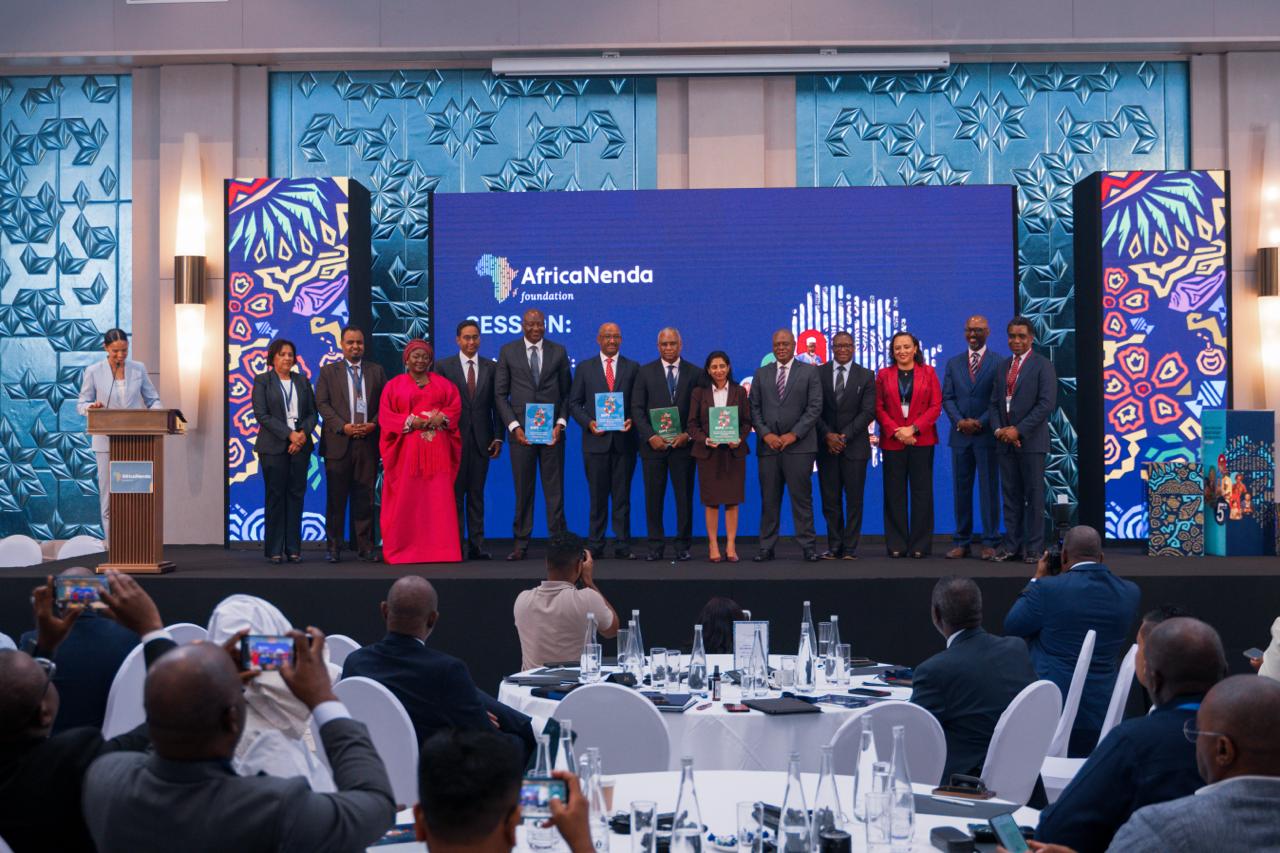
Kenya currently trails several leading African economies in developing comprehensive instant payment systems, according to the recent State of Inclusive Instant Payment Systems in Africa (SIIPS) 2026 report. This assessment, a collaborative effort by the AfricaNenda Foundation, the World Bank Group, and the United Nations Economic Commission for Africa, highlights significant obstacles impeding Kenya's progress. Key challenges include notable Kenya instant payment governance gaps, restricted interoperability among platforms, and ongoing concerns regarding Kenya digital payment consumer protection.
The report places Kenya's PesaLink and its mobile money systems at the "basic" level within its inclusivity framework. This ranking positions Kenya behind nations like Mauritius and Tanzania, both of which have achieved "Progressed" status for their instant payment infrastructures. Nigeria's NIBSS Instant Payment stands out as the sole "mature" system identified across the entire continent, underscoring the varying stages of development within Africa's digital payment landscape.
Identified Governance Gaps and PesaLink's Evolution
Despite Kenya's overall ranking, PesaLink has demonstrated some advancement, moving from an unranked status to the basic category following the introduction of person-to-business payment functionalities. However, the AfricaNenda SIIPS 2026 Kenya report specifically points to deficiencies in the representation of non-bank entities within scheme governance structures. Furthermore, it notes the direct involvement of the Central Bank of Kenya in scheme-level decision-making processes as an area requiring attention. AfricaNenda clarified that these observations were subject to confirmation or potential revision at the time of the report's publication.
These findings are particularly relevant as the broader African instant payment ecosystem experiences rapid expansion. In 2025 alone, 39 operational systems across the continent facilitated 71.4 billion transactions, collectively valued at 1.8 trillion US dollars. This represents nearly a threefold increase in transaction volume compared to figures recorded in 2021, illustrating the significant growth trajectory of digital payments in the region.
Bridging the Trust Deficit in Digital Payments
Despite the impressive growth in access to digital payment solutions, widespread public confidence has not been universally secured. A comprehensive survey involving 1,403 digital payment users across 15 markets revealed that a substantial 55 percent continue to rely on cash for approximately half of their transactions. Moreover, more than half of the respondents reported encountering issues with payments, including delays in processing and funds being erroneously transferred to incorrect recipients.
Dr. Robert Ochola, CEO of the AfricaNenda Foundation, emphasized that the subsequent phase of development must prioritize affordability, safety, and sustainability for these systems. He remarked that while Africa has rapidly established inclusive instant payment infrastructure, the focus for the next five years must shift towards ensuring these systems are affordable, secure, and sustainable. Echoing this sentiment, Dr. Priscilla Muthoora Thakoor, Governor of the Bank of Mauritius, highlighted that the true measure of a modern payment system extends beyond mere transaction speed, encompassing trust, resilience, transparency, and connectivity.
A Call for Comprehensive Reforms in Kenya
For Kenya, the SIIPS 2026 report underscores an urgent imperative to fortify governance frameworks, broaden the participation of licensed payment providers, and enhance interoperability across its financial ecosystem. Stakeholders are actively urging the Central Bank of Kenya and key players within the payment industry to proactively address these identified gaps. The objective is to accelerate reforms aimed at seamlessly connecting various payment platforms, bolstering Kenya digital payment consumer protection, and making digital transactions more economically accessible.
The ultimate goal for Kenya is to transcend reliance on individual successful payment platforms and evolve towards a fully integrated system. Such a system would be designed to comprehensively support consumers, facilitate business operations, and streamline cross-border trade, thereby unlocking the full potential of digital payments within the nation.
Practical Implications
Lawyers advising financial institutions and fintechs in Kenya should anticipate increased regulatory scrutiny and potential reforms from the Central Bank of Kenya regarding instant payment system governance, interoperability, and consumer protection, necessitating a review of current compliance frameworks and operational risks.
Source
How does this affect you?
Get an AI analysis of this article grounded in your jurisdictions, practice areas, and any policy documents you've uploaded to Wansom.
Finish Reading the Full Story and the Expert Analysis.
Get the latest legal & regulatory intelligence in Kenya
Wansom is AI and can make mistakes.