
Kenya: Academic Papers Verification Integration to Boost Public Service Integrity
Summary
- Kenya's government is integrating academic papers verification systems to combat fake credentials and strengthen public service recruitment integrity.
- Head of Public Service Felix Koskei led a meeting with the Public Service Commission (PSC), Kenya National Examinations Council (KNEC), and the Ministry of Education to establish coordinated authentication mechanisms.
- The initiative aims to make it easier for government agencies to verify academic documents, protecting recruitment integrity and promoting professionalism.
- This move addresses longstanding concerns over forged academic certificates and will anchor verification on official records from education and examination authorities.
- While the technical details and timeline are pending, the system is expected to enhance public confidence and have broader implications for employment beyond the public service.
A New Era for Credential Verification
The proposed integration aims to anchor academic verification on official records maintained by these relevant examination and education authorities, providing a more reliable foundation for recruiting institutions.
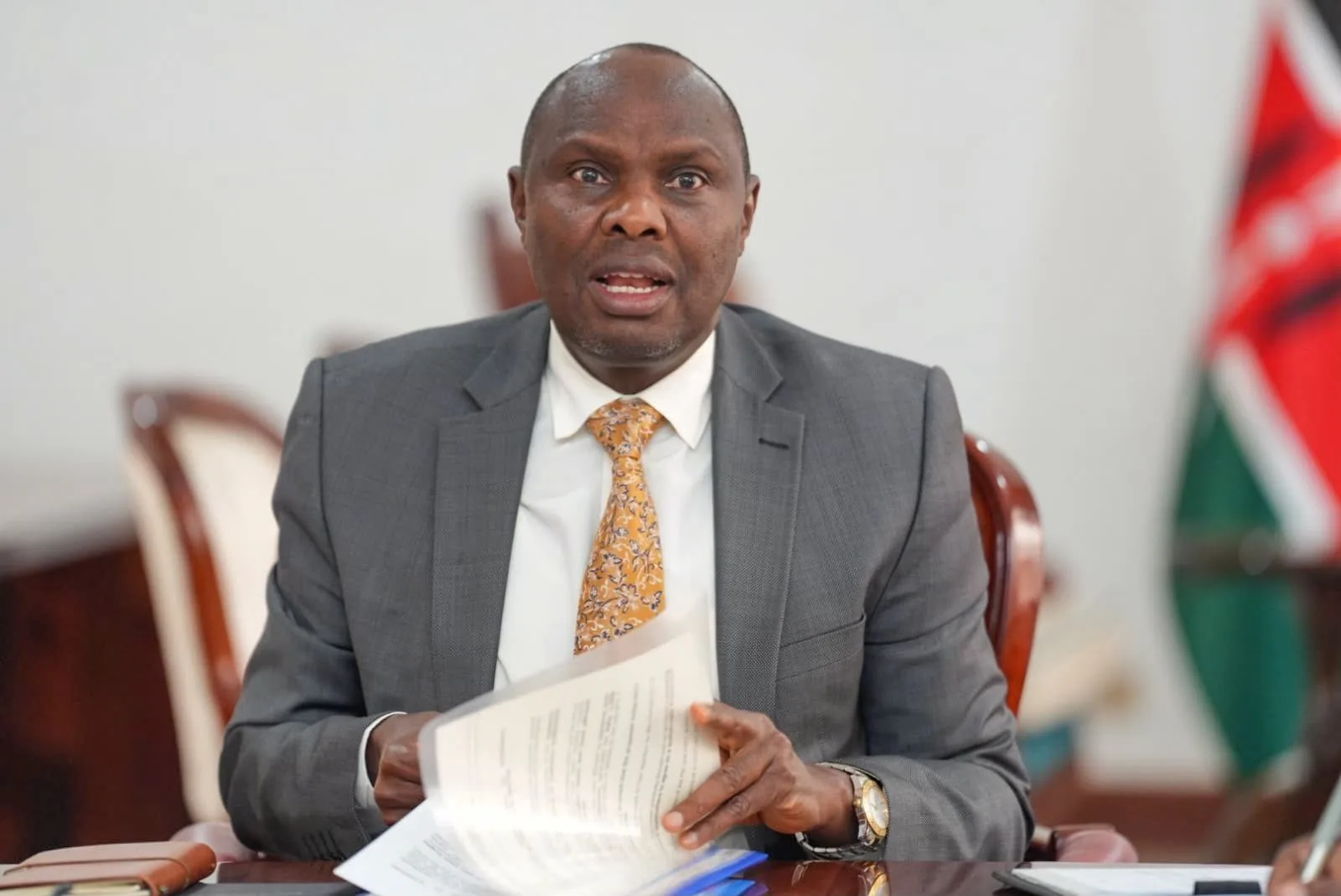
The Kenyan government has initiated a significant move to integrate its academic papers verification systems, aiming to combat the proliferation of fraudulent qualifications and bolster the integrity of public service recruitment. This ambitious plan was the central focus of a consultative meeting held on a Wednesday, September 17, at State House in Nairobi, spearheaded by Head of Public Service and Chief of Staff Felix Koskei. The discussions centered on establishing coordinated mechanisms for authenticating and verifying academic credentials presented by individuals seeking employment and positions of responsibility within the public sector.
This initiative represents a strategic shift from fragmented verification processes to a more unified approach, designed to make it significantly easier for government agencies to confirm the authenticity and legitimate issuance of certificates and other academic documents during recruitment. The overarching goal, as articulated by the Head of Public Service, is to safeguard the integrity of hiring processes and foster a culture of professionalism and competence across the public service and the broader workforce.
Addressing Forgery Concerns and Key Stakeholders
The drive to enhance Kenya academic certificate authentication comes amid persistent concerns regarding the submission of forged academic certificates, particularly in employment and professional recruitment scenarios. While the government has previously intensified efforts to verify academic qualifications, with institutions like the Kenya National Examinations Council (KNEC) playing a crucial role in confirming results, this latest endeavor seeks to bring key agencies into closer alignment for a more robust and coordinated system.
Central to this effort are the Public Service Commission (PSC), KNEC, and the Ministry of Education, all of whom participated in the high-level meeting. Key attendees included PSC Chairperson Francis Meja, Education Cabinet Secretary Julius Migos Ogamba, PSC Secretary and Chief Executive Officer Paul Famba, KNEC Chairperson Prof Julius O. Nyabundi, and KNEC Chief Executive Officer Dr David Njeng’ere. Also present were Principal Secretaries Dr Beatrice Inyangala (Higher Education and Research), John Ololtuaa (Basic Education), and Dr Jane Imbunya (Public Service and Human Capital Development), highlighting the comprehensive involvement of bodies responsible for examinations, education, and public-sector human resource management. The proposed integration aims to anchor academic verification on official records maintained by these relevant examination and education authorities, providing a more reliable foundation for recruiting institutions.
Enhancing Trust and Professionalism
The integration of academic verification systems is poised to yield substantial benefits, promoting professionalism, competence, and merit-based appointments within the public service. By strengthening authentication mechanisms, the government expects to build greater public confidence in recruitment processes and ensure that individuals appointed to positions of responsibility possess genuinely authenticated qualifications. This proactive measure is designed to significantly reduce the risk of individuals securing roles through forged or improperly obtained academic credentials.
While the technical framework and timeline for implementing this integrated authentication system are yet to be disclosed, its implications are expected to extend beyond the public service. Academic qualifications are routinely critical for determining eligibility for employment, professional advancement, and various appointments across sectors. Therefore, by fortifying verification at the point of recruitment, the initiative led by Felix Koskei and involving the PSC, KNEC, and Ministry of Education is set to establish a more coordinated national system for academic credentials verification, impacting the wider Kenyan workforce.
Practical Implications
Lawyers advising employers or individuals on employment matters in Kenya should anticipate stricter and more coordinated academic credential verification processes. This initiative will impact recruitment due diligence, potential disciplinary actions for misrepresentation, and fraud investigations related to qualifications, requiring a review of current HR and compliance policies.
Source
How does this affect you?
Get an AI analysis of this article grounded in your jurisdictions, practice areas, and any policy documents you've uploaded to Wansom.
Finish Reading the Full Story and the Expert Analysis.
Get the latest legal & regulatory intelligence in Kenya
Wansom is AI and can make mistakes.