
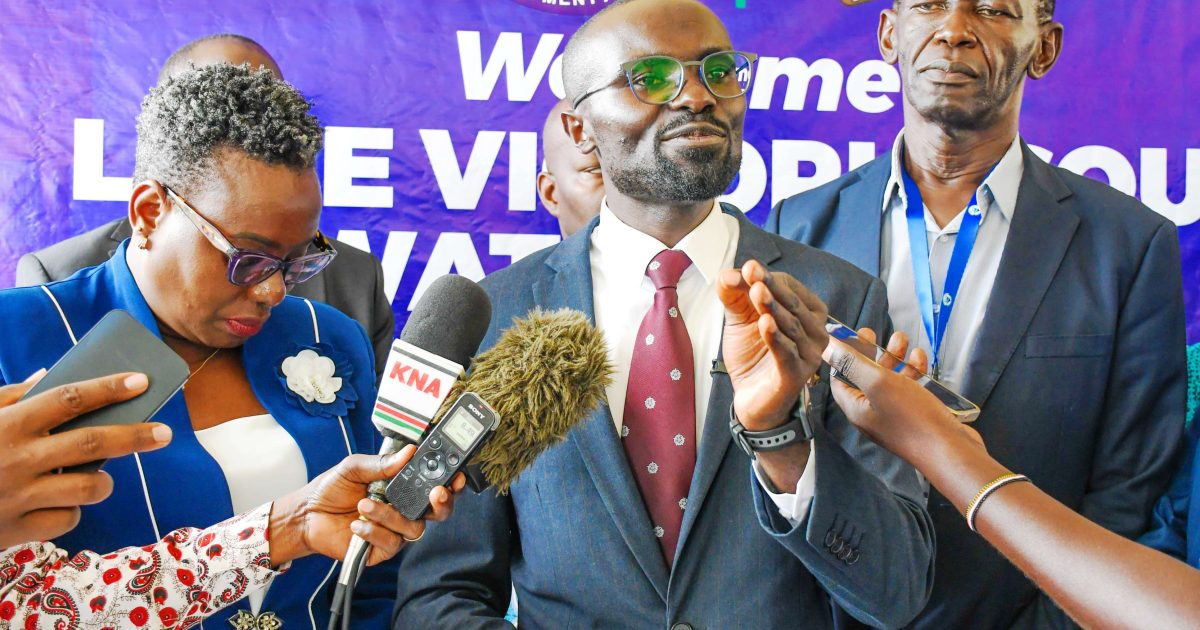
Kenya Water Loss: Government Action Targets Ksh11 Billion Waste
Summary
- Kenya experiences over Ksh11 billion in annual water losses due to leakages, illegal connections, faulty metering, and billing inefficiencies.
- Water, Sanitation and Irrigation Cabinet Secretary Eric Mugaa confirmed that approximately 242 million cubic meters of water are lost annually from a total production of 504 million cubic meters.
- These losses place significant pressure on water agencies to enhance accountability and reduce waste.
- The government's stance indicates increased regulatory scrutiny and potential new compliance requirements for water sector entities.
- The focus is on improving water sector accountability and curbing non-revenue water across the country.
Escalating Water Losses in Kenya
Lawyers advising water service providers, infrastructure companies, or entities involved in water resource management in Kenya should anticipate increased regulatory scrutiny and potential new compliance requirements.
Kenya faces a significant challenge with annual water losses exceeding Ksh11 billion, a figure that underscores systemic inefficiencies within the nation's water infrastructure. These substantial financial drains are attributed to a combination of factors, including widespread water leakages, unauthorized connections to the supply network, inaccuracies in metering, and deficiencies in billing processes. The cumulative impact of these issues places considerable strain on the financial viability and operational effectiveness of water service providers across the country.
This persistent problem of Kenya water loss government action has prompted calls for enhanced accountability and more effective waste reduction strategies from the agencies responsible for water management. The scale of the financial loss, specifically the Ksh11 billion water losses Kenya experiences each year, highlights an urgent need for comprehensive interventions to safeguard this vital resource and ensure its sustainable provision to the populace.
Government's Stance on Accountability
The severity of the situation has been publicly acknowledged by Water, Sanitation and Irrigation Cabinet Secretary Eric Mugaa, who detailed the alarming statistics. According to CS Mugaa, Kenya loses approximately 242 million cubic meters of water annually. This volume represents a substantial portion of the total 504 million cubic meters produced nationwide each year, indicating that nearly half of the country's water supply does not reach its intended, paying consumers.
Such significant losses exert immense pressure on water agencies to improve their operational integrity and financial stewardship. The government's clear articulation of these figures signals a strong push for greater water sector accountability Kenya, demanding that service providers implement robust measures to curb wastage and enhance efficiency across their operations.
Addressing Non-Revenue Water Challenges
The various causes of these losses—ranging from physical infrastructure failures like leakages to deliberate acts such as Kenya illegal water connections—collectively contribute to what is known as non-revenue water Kenya. This category of water, which is produced and supplied but not billed, represents a critical area for intervention. Faulty metering and billing inefficiencies further exacerbate the problem, leading to inaccurate consumption data and lost revenue opportunities that could otherwise be reinvested into infrastructure maintenance and expansion.
For water service providers, tackling non-revenue water is not merely about financial recovery; it is also about resource conservation and ensuring equitable access. The current situation necessitates a multi-faceted approach, combining technological upgrades for leak detection and metering with stricter enforcement against illicit activities and improvements in administrative processes.
Heightened Scrutiny for Water Management
Lawyers advising water service providers, infrastructure companies, or entities involved in water resource management in Kenya should anticipate increased regulatory scrutiny and potential new compliance requirements. This development signals a government push for greater accountability in the water sector, which could lead to stricter enforcement against inefficiencies, illegal connections, and billing discrepancies.
The government's focus on stemming these substantial losses indicates a future landscape where operational transparency and adherence to best practices will be paramount. Entities operating within Kenya's water sector must prepare for a more rigorous regulatory environment, potentially facing penalties for non-compliance and being required to demonstrate tangible progress in reducing water wastage and improving service delivery.
Source
How does this affect you?
Get an AI analysis of this article grounded in your jurisdictions, practice areas, and any policy documents you've uploaded to Wansom.
Finish Reading the Full Story and the Expert Analysis.
Wansom is AI and can make mistakes.