
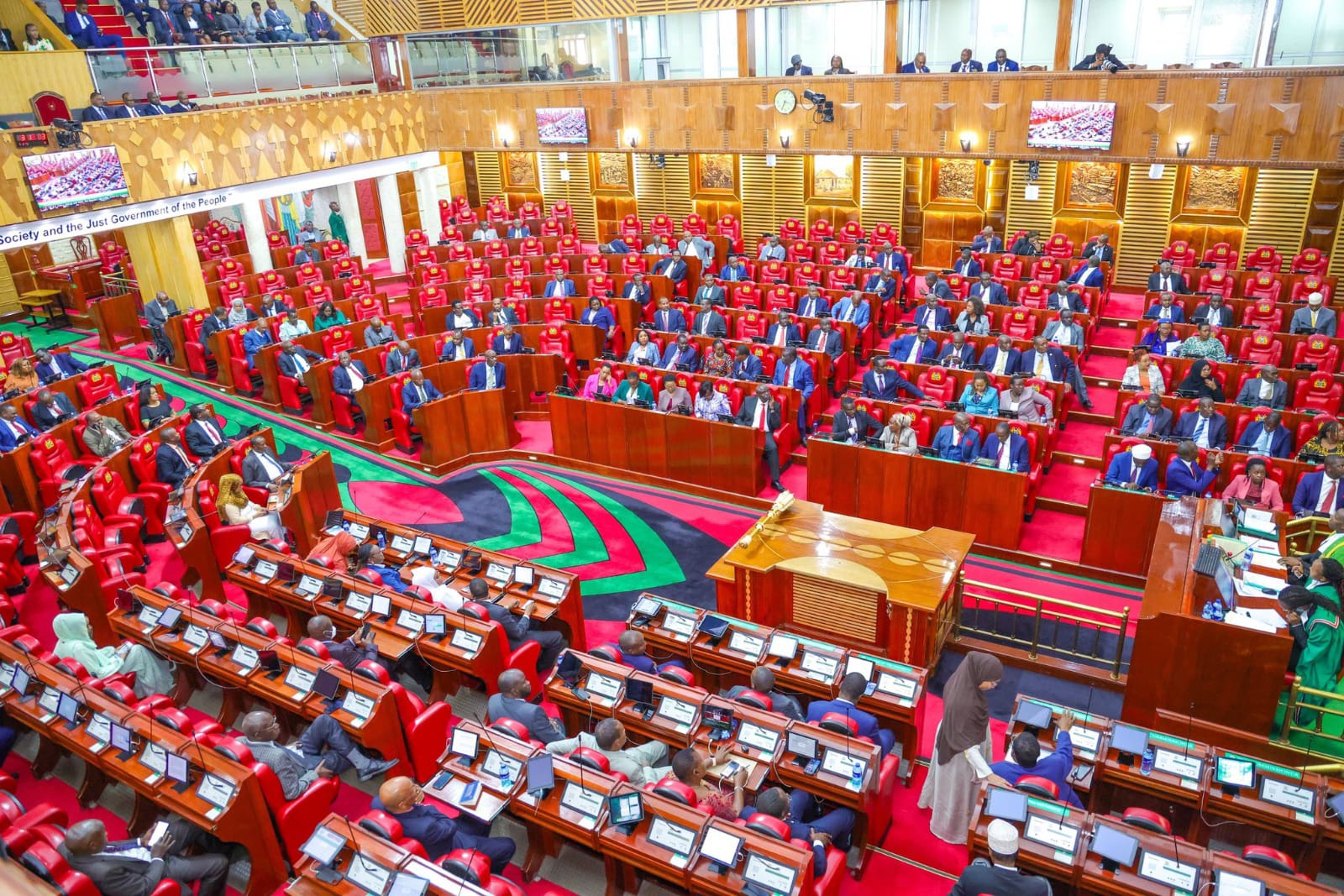
Kenya National Assembly: 8% VAT Fuel Extension Approved for 90 Days
Summary
- The Kenya National Assembly has approved the Tax Laws Amendment Bill.
- This bill extends the 8% VAT rate on petroleum products for an additional 90 days.
- The reduced VAT rate prevents a reversion to the previous 16% rate.
- Majority Leader Kimani Ichungw’a introduced the amendments to the VAT Act.
- The initial 8% VAT relief on fuel was first introduced in April of this year.
Parliamentary Approval Secures Fuel VAT Extension
The extension of the 8% VAT rate on fuel for another three months is a significant development, ensuring that the current pricing structure for petroleum products remains consistent with recent policy.
The Kenyan National Assembly has officially given its assent to the Tax Laws Amendment Bill, a legislative move that directly impacts the taxation of petroleum products across the nation. This crucial approval means that the reduced Value Added Tax (VAT) rate on fuel, set at 8%, will continue for an additional 90-day period. This decision prevents the rate from reverting to the higher 16% that would otherwise apply, offering a continued measure of relief for consumers and businesses reliant on fuel.
This parliamentary action, specifically the Kenya National Assembly fuel VAT approval, underscores a commitment to maintaining a stable, albeit temporarily reduced, tax environment for essential commodities. The extension of the 8% VAT rate on fuel for another three months is a significant development, ensuring that the current pricing structure for petroleum products remains consistent with recent policy. It directly addresses concerns about potential price hikes that would have resulted from the automatic reinstatement of the higher VAT.
Legislative Framework and Origin of the Relief
The recently approved Tax Laws Amendment Bill introduces specific amendments to the existing VAT Act Kenya fuel tax changes, thereby formalizing the extension of the reduced tax rate. This legislative instrument was championed by Majority Leader Kimani Ichungw’a, who introduced the amendments aimed at prolonging the current relief measure. The original reduction of the Kenya petroleum products VAT rate from 16% to 8% was initially implemented in April of the current year, providing a much-needed economic buffer.
The current bill, therefore, does not introduce a new tax reduction but rather extends an existing one, reflecting an ongoing governmental strategy to manage economic pressures. By modifying the VAT Act, the National Assembly ensures that the legal basis for the 8% VAT on fuel remains solid for the specified duration. This continuity is vital for economic planning and stability, particularly within the energy sector, as it avoids abrupt shifts in tax policy that could disrupt supply chains and consumer pricing.
Implications for Compliance and Economic Stability
The extension of the Kenya 8% VAT fuel extension 90 days carries significant implications for various stakeholders, particularly for compliance officers and tax lawyers operating within Kenya. These professionals must now ensure that their internal systems and client advisories accurately reflect the continued application of the 8% VAT rate on petroleum products. The approval of the Kenya Tax Laws Amendment Bill fuel VAT means that the expectation of a return to the 16% rate is deferred, necessitating adjustments in financial planning and reporting.
For businesses involved in the petroleum supply chain, from importers to retailers, this legislative decision provides clarity and predictability for the next three months. It allows for continued operations under the reduced tax burden, potentially mitigating inflationary pressures on fuel prices for end-users. The sustained 8% Kenya petroleum products VAT rate is a critical factor in maintaining economic stability, preventing a sudden increase in operational costs for transport, manufacturing, and other sectors heavily dependent on fuel. This measure, while temporary, offers a crucial period of consistency in the nation's fuel tax regime.
Practical Implications
Compliance officers and tax lawyers in Kenya should note this extension of the 8% VAT rate on petroleum products for another 90 days, ensuring their systems and client advice reflect the continued reduced rate rather than reverting to 16%.
Source
How does this affect you?
Get an AI analysis of this article grounded in your jurisdictions, practice areas, and any policy documents you've uploaded to Wansom.
Finish Reading the Full Story and the Expert Analysis.
Get the latest legal & regulatory intelligence in Kenya
Wansom is AI and can make mistakes.