
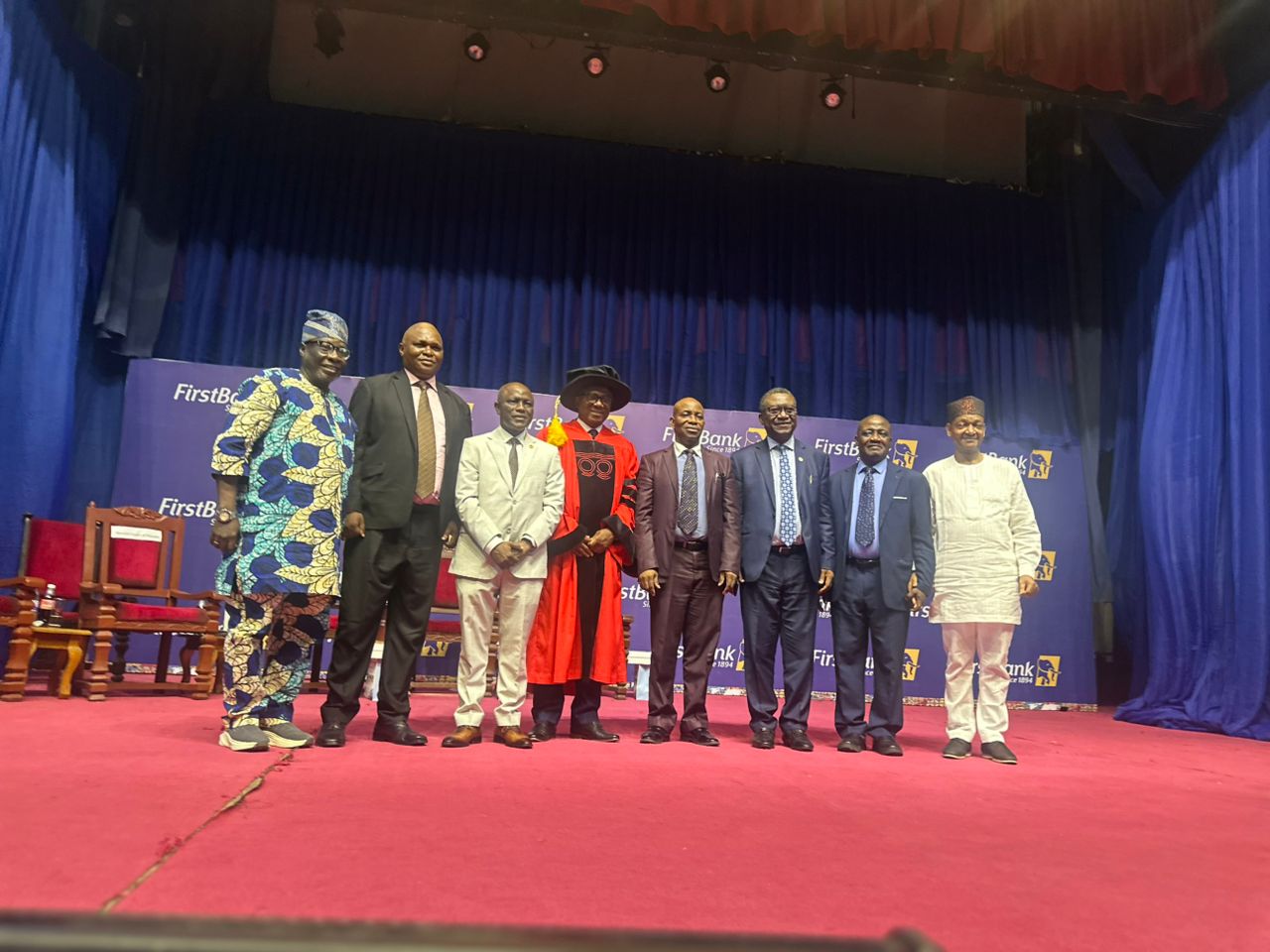
Kenneth Amaeshi: Nigeria Tax Expectations Demand Fund Utilization Assurance
Summary
- Professor Kenneth Amaeshi stated that Nigerians do not inherently dislike paying taxes.
- He emphasized that citizens primarily seek assurance that their tax contributions will be properly utilized.
- These remarks were made during the inaugural public lecture of the First Bank Samuel Asabia Professorial series.
- Amaeshi holds the First Bank Samuel Asabia Professorial Chair in Business Ethics at the University of Lagos.
Professor Amaeshi's Key Insight
The primary desire among taxpayers is for concrete assurance regarding the deployment of their financial contributions.
Professor Kenneth Amaeshi, who holds the prestigious First Bank Samuel Asabia Professorial Chair in Business Ethics at the University of Lagos, recently offered a significant perspective on public finance in Nigeria. Speaking at the inaugural public lecture associated with the First Bank Samuel Asabia Professorial series, Professor Amaeshi articulated a nuanced understanding of the populace's relationship with taxation. His remarks challenged a common perception, suggesting that the core issue is not an inherent aversion to contributing to the public purse.
Instead, Professor Amaeshi highlighted a more specific and fundamental concern among citizens. He clarified that the prevailing sentiment is not one of opposition to the principle of taxation itself. This distinction is crucial for understanding the broader dynamics of public finance and citizen engagement within the nation.
Understanding Taxpayer Sentiment
The central tenet of Professor Amaeshi's analysis revolves around the specific conditions under which Nigerians are willing to embrace their tax obligations. According to his observations, the primary desire among taxpayers is for concrete assurance regarding the deployment of their financial contributions. This perspective underscores a critical aspect of Kenneth Amaeshi Nigeria tax expectations, moving beyond simple compliance to a demand for transparency and accountability.
This sentiment suggests that citizens are not inherently resistant to the idea of funding public services or national development through taxes. Rather, their willingness to contribute is intrinsically linked to a clear understanding and demonstrable evidence that these funds will be managed judiciously and applied effectively for the collective good. This forms the bedrock of public trust in the fiscal system.
The Demand for Proper Utilization
Professor Amaeshi's assertion that Nigerians seek "assurance that their contributions will be properly utilised" points directly to a crucial practical and ethical dimension of governance. This demand for proper utilization implies an expectation of responsible financial stewardship from public institutions. It highlights a desire for tangible outcomes and visible improvements in public services, which are typically funded by tax revenues.
From a practical standpoint, this expectation influences compliance rates and the overall efficacy of tax collection efforts. The call for proper utilization can be seen as a fundamental aspect of the social contract, where citizens contribute financially in exchange for effective governance and public welfare. When citizens perceive that their taxes are being used effectively, it fosters a greater sense of civic duty and encourages broader participation in the tax system.
Implications for Public Trust and Policy
The insights provided by Professor Amaeshi, particularly given his role in business ethics, carry significant weight for policymakers and government bodies. His observations underscore the ethical imperative for transparent and accountable management of public funds. Building and maintaining public trust is paramount for any effective tax system, and Amaeshi's statement directly addresses a key factor in achieving this.
Understanding these Kenneth Amaeshi Nigeria tax expectations is vital for shaping future fiscal policies and communication strategies. It suggests that efforts to improve tax compliance should not solely focus on enforcement mechanisms but also on demonstrating the tangible benefits and responsible management of collected revenues. This approach could foster a more cooperative relationship between the government and its citizens regarding taxation, ultimately contributing to sustainable national development.
Source
How does this affect you?
Get an AI analysis of this article grounded in your jurisdictions, practice areas, and any policy documents you've uploaded to Wansom.
Finish Reading the Full Story and the Expert Analysis.
Wansom is AI and can make mistakes.