
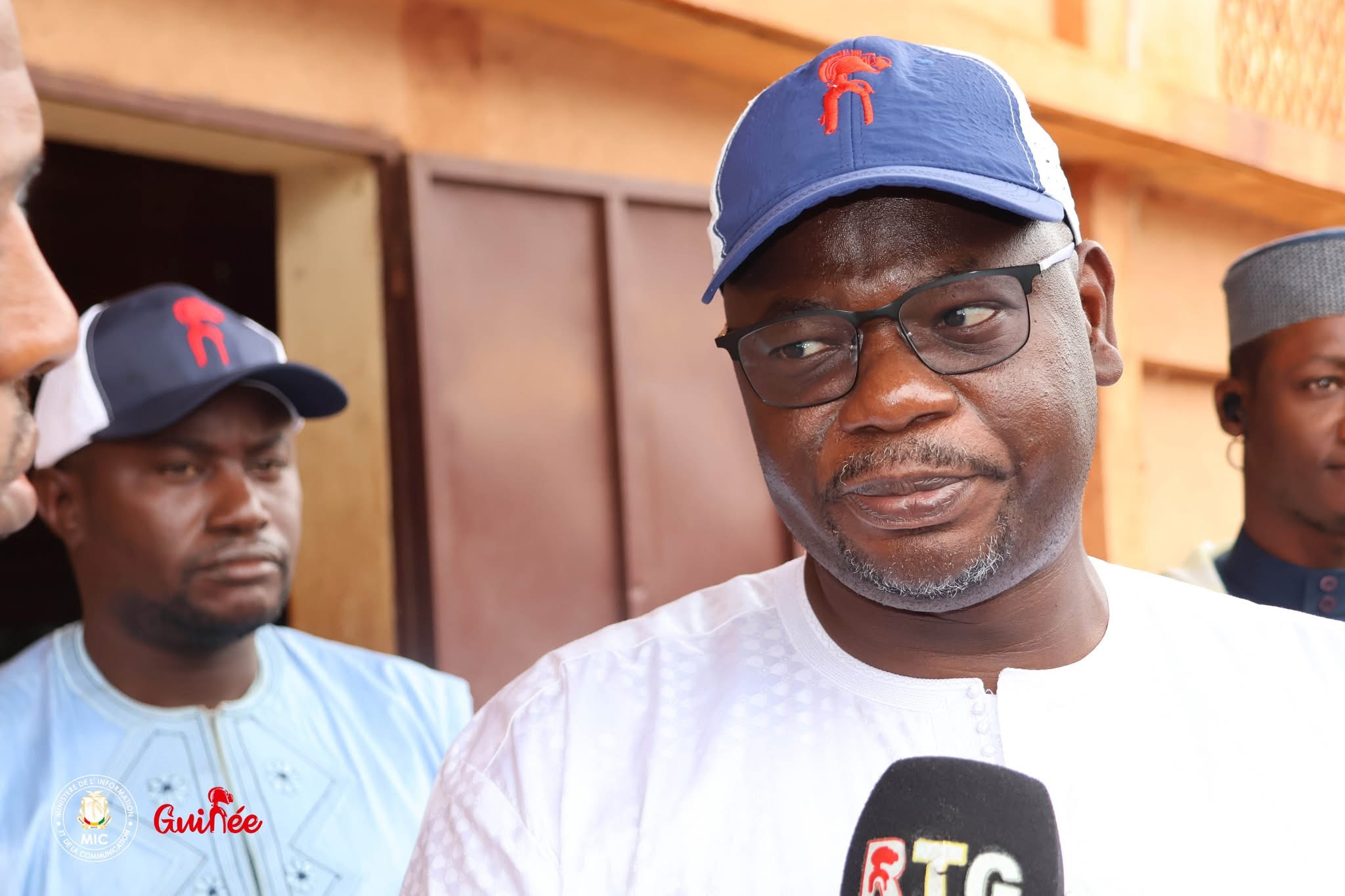
Kéamou Bogola Haba Affaire Stades Guinée: Former Minister Under House Arrest
Summary
- Former Guinean Minister of Youth and Sports, Kéamou Bogola Haba, has been placed under house arrest.
- This measure follows two weeks of extensive hearings at the High Command of the Gendarmerie.
- Mr. Haba is currently under permanent guard by two gendarmerie agents at his residence.
- The action is part of the ongoing "stadium renovation case" in Guinea.
What Happened
This development signals heightened judicial scrutiny on public procurement and former government officials in Guinea, particularly concerning infrastructure projects.
Kéamou Bogola Haba, who previously served as Guinea's Minister of Youth and Sports, is now under house arrest at his private residence. This restrictive measure comes after a period of two weeks during which he underwent extensive hearings at the High Command of the Gendarmerie. The former government official is currently under the continuous supervision of two gendarmerie agents, who maintain a permanent guard at his home.
This development in the "Kéamou Bogola Haba affaire stades Guinée" was brought to light through information obtained by Guinéenews. The publication cited a source familiar with the matter, confirming the placement of the ex-minister under this form of judicial control. The move signifies a notable progression in the ongoing investigation.
Legal Context and Procedure
The placement of Kéamou Bogola Haba under "résidence surveillée" represents a significant step within the Guinean "procédure pénale Guinée." House arrest, while not full detention, is a serious form of judicial control that restricts an individual's freedom of movement to their home. It is often employed in high-profile cases or complex financial investigations, such as the "Affaire rénovation stades Guinée," where authorities seek to ensure an individual's availability for further proceedings while limiting their potential to interfere with the investigation.
The presence of two gendarmerie agents providing permanent guard underscores the official and enforced nature of this restriction. This measure, distinct from standard "détention préventive Guinée" in a correctional facility, still serves the purpose of maintaining judicial oversight over the accused. It reflects a calibrated approach by the judiciary to manage individuals involved in sensitive inquiries, particularly those who held positions of public trust.
The Broader Investigation
The "affaire rénovation des stades" is a prominent and closely watched investigation in Guinea, focusing on alleged irregularities surrounding public infrastructure projects. As the former "Ancien ministre Jeunesse Sports Guinée," Kéamou Bogola Haba's involvement places him directly within the scope of inquiries related to the management and execution of these significant public works. The two weeks of hearings preceding his house arrest suggest a thorough and detailed investigative process undertaken by the High Command of the Gendarmerie.
This particular case highlights a broader trend of increased scrutiny by Guinean authorities into public procurement and the conduct of former government officials. The judicial system appears to be actively pursuing accountability for individuals implicated in financial misconduct, especially concerning large-scale projects funded by the state. The progression of this case, from extensive questioning to a formal restrictive measure, indicates a sustained effort to address corruption and mismanagement.
Significance for Governance and Accountability
This development signals heightened judicial scrutiny on public procurement and former government officials in Guinea, particularly concerning infrastructure projects. The decision to place an ex-minister under house arrest, following a prolonged period of questioning, sends a clear message regarding the commitment to transparency and accountability within the nation's governance. It underscores that individuals, regardless of their past high-ranking positions, are subject to the full extent of the law when allegations of financial impropriety arise.
The "Kéamou Bogola Haba résidence surveillée" situation could establish important precedents for future investigations into public contracts and the actions of former state actors. It reinforces the idea that the Guinean legal framework is being actively applied to address concerns about the integrity of public spending. This case, therefore, holds significant implications for how similar allegations will be handled and the types of judicial measures that may be imposed in the context of the "procédure pénale Guinée."
Practical Implications
This development signals heightened judicial scrutiny on public procurement and former government officials in Guinea, particularly concerning infrastructure projects. Lawyers advising clients on public contracts or facing allegations of financial misconduct in the region should monitor this case for precedents regarding detention measures and the scope of investigations.
Source
How does this affect you?
Get an AI analysis of this article grounded in your jurisdictions, practice areas, and any policy documents you've uploaded to Wansom.
Finish Reading the Full Story and the Expert Analysis.
Wansom is AI and can make mistakes.