
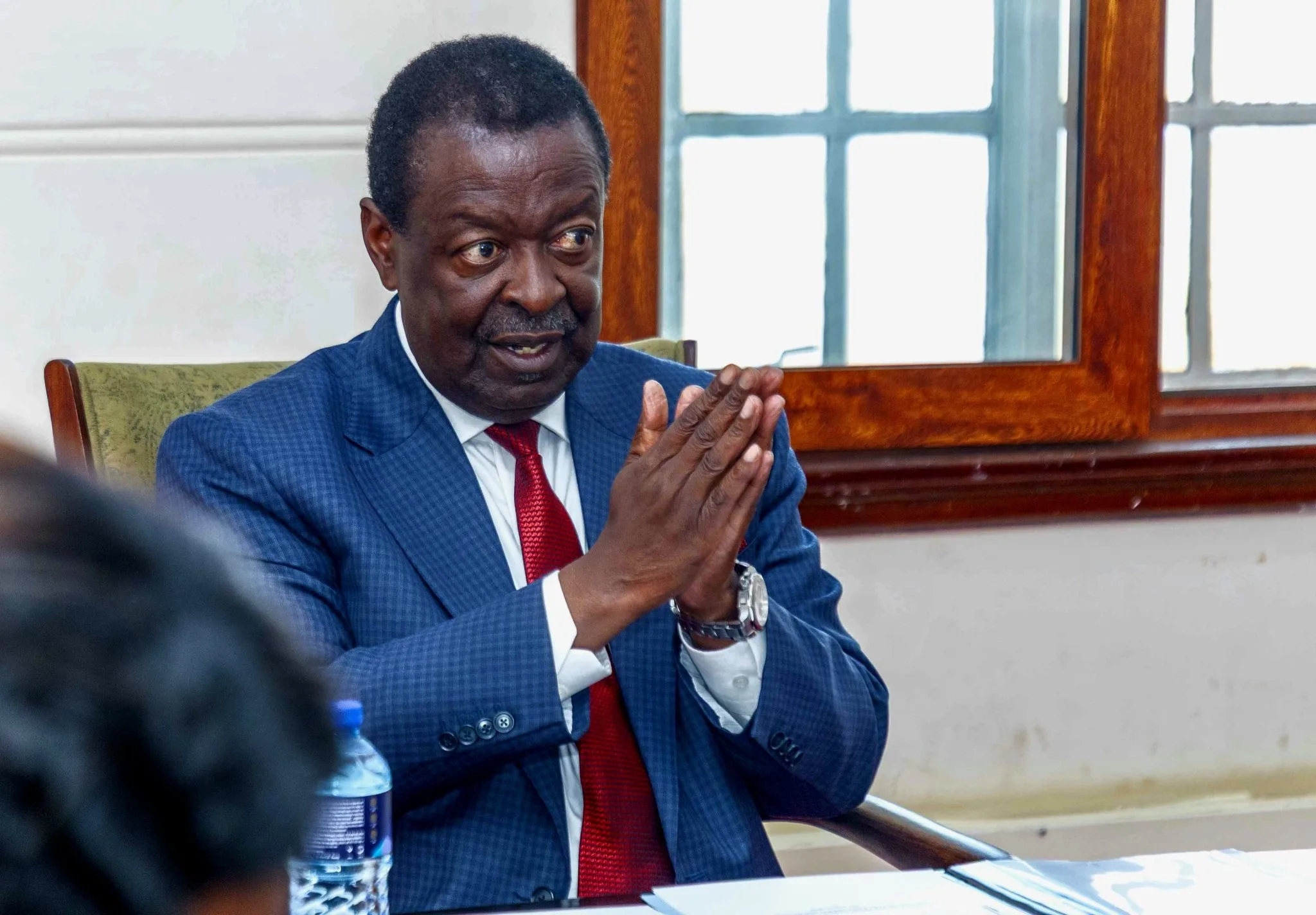
Musalia Mudavadi: KAWU Strike JKIA Government Response Initiates Talks
Summary
- The Kenya Aviation Workers Union (KAWU) strike at Jomo Kenyatta International Airport (JKIA) entered its second day on August 31, causing significant flight disruptions.
- Prime Cabinet Secretary Musalia Mudavadi issued a government apology for the inconvenience and confirmed ongoing talks to resolve the labor dispute.
- The strike led to widespread delays and cancellations for airlines including Kenya Airways, Rwandair, and Uganda Airlines.
- The government emphasized its priority to restore normal airport operations and secure a lasting settlement, acknowledging JKIA's role as a critical national gateway.
- Concerns have been raised about JKIA's reliability as a regional hub and the potential negative impact on tourism, trade, and investment, following a similar incident in February.
Ongoing Industrial Action at JKIA
The government acknowledged the broader significance of the crisis, describing JKIA as a "critical national gateway" essential for trade, tourism, investment, diplomacy, and regional connectivity.
Operations at Jomo Kenyatta International Airport (JKIA) faced significant disruption as a strike by the Kenya Aviation Workers Union (KAWU) entered its second day on August 31. This Kenya airport industrial action, impacting the nation's primary international gateway, led to widespread flight delays, cancellations, and altered schedules, affecting numerous passengers and airlines.
Among the carriers experiencing substantial issues were Kenya Airways, Rwandair, and Uganda Airlines. Kenya Airways, in particular, reported considerable disruptions, with some flights experiencing several-hour delays due to the backlog created by the industrial action. Passengers were advised by Kenya Airways to verify their flight status before traveling to the airport.
The government acknowledged the severe impact of the KAWU strike JKIA government response, recognizing the inconvenience caused to travelers, the aviation sector, businesses, and Kenya's international connectivity. Prime Cabinet Secretary and Cabinet Secretary for Foreign and Diaspora Affairs Musalia Mudavadi issued a statement on Monday, expressing the government's regret over the situation and assuring the public that urgent discussions were underway to resolve the dispute and restore normal airport functions.
These ongoing Musalia Mudavadi aviation talks aim to address the issues at hand, with the government actively engaging all involved parties. The immediate priority is the safe and orderly resumption of airport operations, alongside the pursuit of a lasting settlement to the JKIA labor dispute resolution.
Government's Apology and Resolution Efforts
Prime Cabinet Secretary and Cabinet Secretary for Foreign and Diaspora Affairs Musalia Mudavadi conveyed the government's deep regret for the inconvenience caused by the JKIA flight disruptions apology. He underscored the government's recognition of the serious disruption affecting operations at Jomo Kenyatta International Airport and its significant impact on passengers, airlines, businesses, and Kenya's international connectivity.
Mudavadi affirmed that the government is actively engaged with all stakeholders involved in the dispute, with discussions progressing towards a resolution. He urged affected travelers to remain patient and maintain communication with their respective airlines for updates on flights and alternative travel arrangements. The government's commitment extends to ensuring the safe and orderly restoration of normal airport operations while simultaneously working towards a durable settlement of the industrial action.
Assurances were given to the public, the aviation industry, and international partners that the government remains fully seized of the matter and will continue to engage all relevant stakeholders in good faith. Further updates are expected from the government as the talks advance, signaling an ongoing commitment to resolving the Kenya Aviation Workers Union strike.
Broader Economic and Reliability Concerns
The current industrial action has intensified concerns regarding the reliability of JKIA as a pivotal regional aviation hub. Industry groups have issued warnings that prolonged disruptions could lead to far-reaching consequences for Kenya's vital tourism sector, international trade, foreign investment, and its overall connectivity with both the African continent and the global community.
Kenya's aviation industry had previously called for a swift resolution to the strike, highlighting that repeated disruptions to air traffic services risk eroding confidence in the nation's aviation system. The government itself acknowledged the broader significance of the crisis, describing JKIA as a "critical national gateway" essential for trade, tourism, investment, diplomacy, and regional connectivity. Consequently, the government is treating the situation with the utmost urgency and seriousness.
This latest disruption follows similar industrial action in February, which also resulted in widespread flight cancellations and delays at JKIA. That previous incident raised pertinent questions about contingency planning and the capacity of authorities and aviation operators to sustain operations effectively during labor disputes, underscoring a recurring challenge for the country's aviation infrastructure.
Practical Implications
Lawyers advising airlines, logistics, or tourism clients in Kenya should review contractual obligations, force majeure clauses, and business continuity plans in light of the ongoing JKIA disruptions. Compliance officers must assess supply chain risks and monitor the resolution of this critical labor dispute for potential regulatory implications or precedents.
Source
How does this affect you?
Get an AI analysis of this article grounded in your jurisdictions, practice areas, and any policy documents you've uploaded to Wansom.
Finish Reading the Full Story and the Expert Analysis.
Wansom is AI and can make mistakes.