
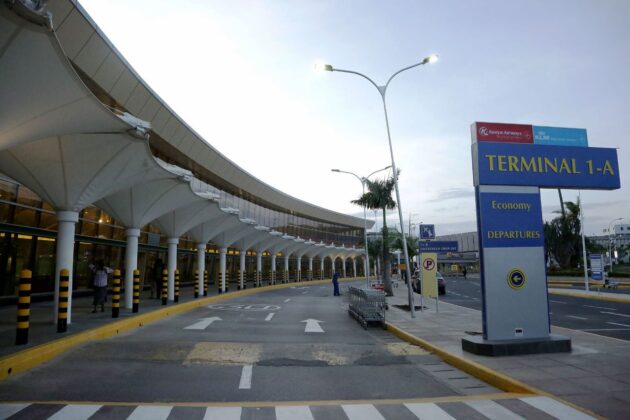
Kenya Aviation Workers Union: JKIA Strike Disrupts Flights, Air Traffic Control
Summary
- The Kenya Aviation Workers Union (KAWU) strike entered its second day on Monday, August 31, causing widespread flight delays and cancellations at Jomo Kenyatta International Airport (JKIA) and other facilities.
- Despite significant disruption, the Ministry of Roads and Transport remained publicly silent, though a Foreign Affairs Principal Secretary indicated government efforts for an amicable settlement.
- Aviation industry bodies, including KAAO, AFRAA, and KTF, urged an immediate resolution, warning of threats to safety, connectivity, and Kenya's reputation as a regional hub.
- A similar strike in February resulted in an estimated $5.1 million in direct losses from 150 cancellations and 382 delays, highlighting the potential economic impact of the current action.
- Disruptions at Jomo Kenyatta International Airport, a critical continental aviation gateway, have far-reaching consequences for connectivity, trade, and travelers across Africa.
What Happened
Disruptions at Jomo Kenyatta International Airport, a critical continental aviation gateway, have far-reaching consequences for connectivity, trade, and travelers across Africa.
The Kenya Aviation Workers Union (KAWU) initiated an industrial action that, by Monday, August 31, had entered its second day, causing significant disruption across Kenya's aviation sector. Hundreds of passengers at Jomo Kenyatta International Airport (JKIA) and other facilities experienced extensive delays and flight cancellations, with some individuals reportedly stranded for over twelve hours. The strike, which commenced on Sunday, severely impacted air traffic control services, leading to operational challenges for airlines.
RwandAir, for instance, canceled two pairs of flights scheduled for Monday, directly attributing these cancellations to the affected air traffic control services at JKIA. Similarly, Kenya Airways reported delays exceeding six hours at JKIA, resulting in a backlog that necessitated the rescheduling and cancellation of several flights. The national carrier advised passengers against traveling to the airport without a confirmed flight and urged all travelers to verify their flight status prior to departure. The Kenya Airports Authority PLC (KAA) acknowledged the ongoing disruption to air traffic control services was impacting JKIA operations. KAA advised passengers to contact their respective airlines for flight status updates and affirmed its collaboration with airlines and other aviation stakeholders to mitigate the disruption and ensure safe, secure, and orderly airport functions.
Official Response and Industry Concerns
Despite the widespread impact on the country's aviation and transport network, the Ministry of Roads and Transport had not issued a substantive public statement regarding the strike by Monday evening. However, Foreign Affairs Principal Secretary Korir Sing’oei offered the clearest public indication from the government that efforts were underway to resolve the dispute. Sing’oei, who does not oversee the transport docket, conveyed apologies to travelers for the inconvenience and assured the public of the government's commitment to reaching an amicable settlement.
The prolonged industrial action has prompted strong reactions from key industry bodies, including the Kenya Association of Air Operators (KAAO), the African Airlines Association (AFRAA), and the Kenya Tourism Federation (KTF). These organizations collectively called for an urgent cessation of the strike, warning that continued disruption poses a serious threat to safety, connectivity, and Kenya's reputation as a crucial regional aviation hub. Liz Aluvanze, the Chief Executive Officer of KAAO, emphasized that safety was paramount and could not be improvised.
Precedent and Broader Implications
The current industrial action is particularly concerning because a similar disruption occurred in February, suggesting that such events are foreseeable within the Kenyan aviation sector. Consequently, industry groups have advocated for the implementation of tested contingency plans and improved communication channels among aviation authorities, airlines, and other sector participants. The economic repercussions of the February strike provide a stark indication of the potential costs associated with the latest disruption.
A preliminary assessment by KAAO, covering 16 operators, documented 150 flight cancellations and 382 delays, leading to direct losses estimated at approximately $5.1 million. This figure, however, did not encompass additional financial impacts such as aircraft diversions, crew disruptions, network recovery expenses, or the broader effects on tourism, trade, and medical operations. Abdérahmane Berthé, Secretary General of AFRAA, underscored the far-reaching consequences of disruptions at Jomo Kenyatta International Airport, highlighting its pivotal role as a continental aviation gateway. He noted that issues at JKIA ripple across Africa, affecting connectivity, trade, and travelers throughout the continent.
Practical Implications
Legal professionals should advise clients on reviewing contractual force majeure provisions and developing robust business continuity plans to mitigate risks from recurring aviation industrial action in Kenya, especially for businesses reliant on air travel or cargo.
Source
How does this affect you?
Get an AI analysis of this article grounded in your jurisdictions, practice areas, and any policy documents you've uploaded to Wansom.
Finish Reading the Full Story and the Expert Analysis.
Wansom is AI and can make mistakes.