
Kenya: KAWU Strike JKIA Disruption Prompts Industry Outcry
Summary
- A Kenya Aviation Workers Union (KAWU) strike began on August 30, causing widespread disruptions at Jomo Kenyatta International Airport (JKIA) and other Kenyan airports.
- Industry bodies are concerned about flight safety, passenger connectivity, and Kenya's reputation as a regional aviation hub due to the ongoing air traffic services disruption.
- The strike highlights a failure to implement contingency plans required by Regulation 40 of the Kenya Civil Aviation (Air Traffic Services) Regulations, despite a similar foreseeable strike in February.
- Kenya Airways has experienced significant flight delays and cancellations, advising passengers to check flight status before traveling.
- Previous KAWU industrial action in February led to an estimated $5.1 million in direct losses for 16 operators, underscoring the severe economic impact of such disruptions.
Current Aviation Disruption in Kenya
The current Kenya Aviation Workers Union strike has brought to light critical deficiencies in the Kenya aviation industry contingency plans, particularly concerning Regulation 40 of the Kenya Civil Aviation (Air Traffic Services) Regulations.
The Kenya Aviation Workers Union (KAWU) initiated an air traffic services strike on August 30, leading to significant operational challenges across Kenyan airports, most notably at Jomo Kenyatta International Airport (JKIA). This industrial action has resulted in widespread Jomo Kenyatta International Airport delays, flight cancellations, diversions, and prolonged aircraft holding, severely impacting passenger connectivity and flight safety. Key industry bodies, including the Kenya Association of Air Operators (KAAO), the African Airlines Association (AFRAA), and the Kenya Tourism Federation (KTF), have urgently called for an end to the ongoing Kenya KAWU strike JKIA disruption, warning of its detrimental effects on the nation's reputation as a vital regional aviation hub.
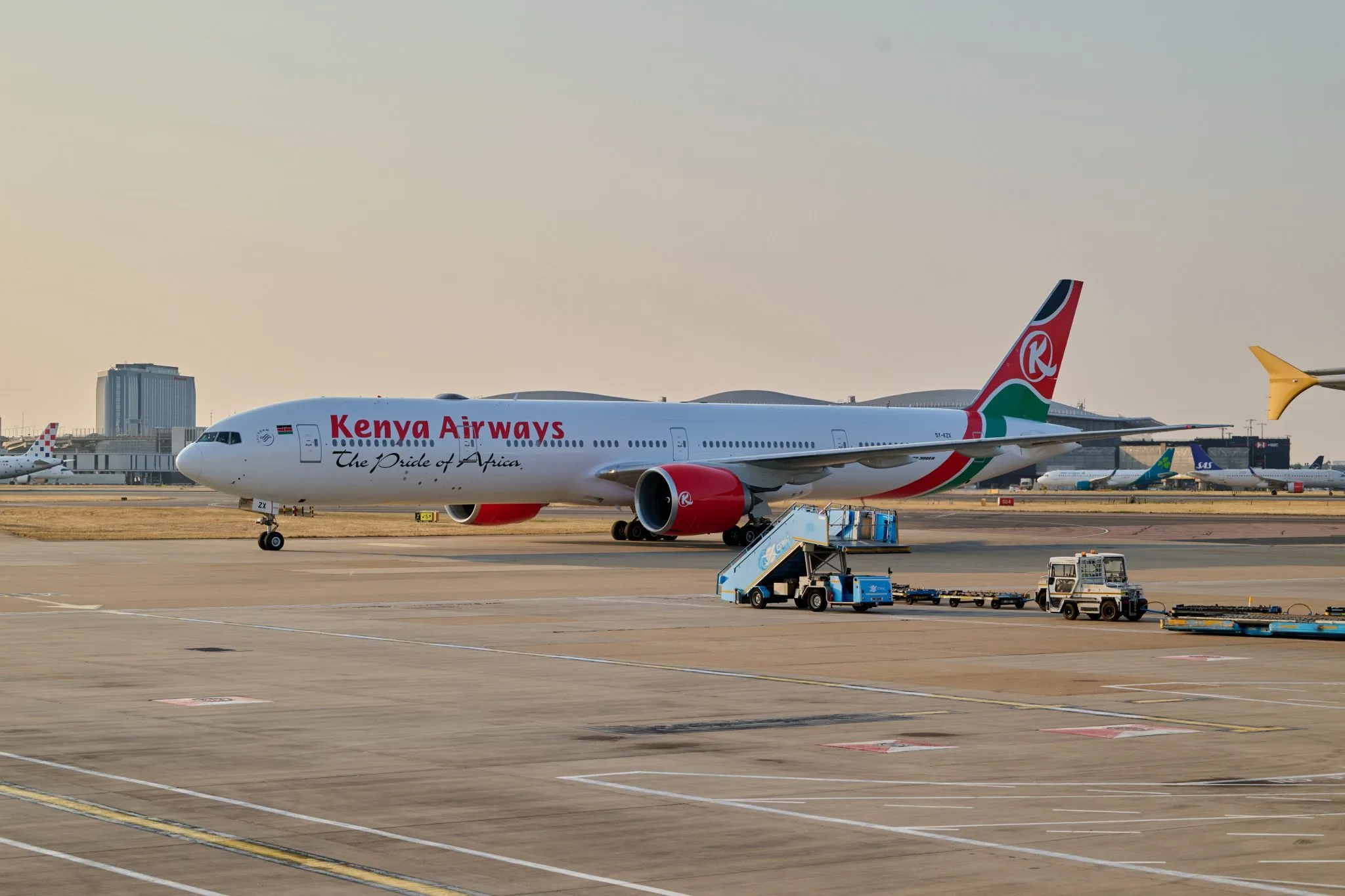
Kenya's national carrier, Kenya Airways, has been particularly affected by the air traffic services disruption Kenya, reporting flight delays exceeding six hours at JKIA due to the operational backlog. The airline has been compelled to reschedule and cancel numerous flights, advising passengers against traveling to the airport without confirmed flight details. Kenya Airways has offered passengers the flexibility to change or reschedule their flights without incurring penalties, emphasizing its commitment to passenger and crew safety amidst the turmoil.
Regulatory Compliance and Contingency Failures
The current Kenya Aviation Workers Union strike has brought to light critical deficiencies in the Kenya aviation industry contingency plans, particularly concerning Regulation 40 of the Kenya Civil Aviation (Air Traffic Services) Regulations. This regulation mandates that the air traffic services authority develop and coordinate comprehensive contingency plans for both actual and potential disruptions, involving affected airspace users and neighboring authorities. Industry associations have expressed alarm that operators were not briefed on any activated contingency plan during the present disruption, despite the foreseeable nature of such industrial action, given a similar strike occurred in February.
Furthermore, the delayed issuance of crucial Notices to Airmen (NOTAMs) significantly hampered airlines' ability to adjust flight plans, fuel requirements, alternate airport arrangements, crew rosters, and passenger logistics in a timely manner. The KAAO, AFRAA, and KTF have stressed that air traffic services are inherently safety-critical, necessitating robust and tested contingency measures to prevent operational risks from being transferred to airlines, their crews, and passengers. They also advocated for more frequent briefings from the Kenya Airports Authority PLC (KAA) to cover vital operational aspects such as airport capacity, parking, gate availability, apron congestion, ground handling, cargo facilities, and expected recovery sequences.
Economic Repercussions and Regional Impact
The repeated instances of air traffic services disruption Kenya, including the ongoing Kenya KAWU strike JKIA disruption, are raising serious concerns about the broader economic stability of the nation's primary aviation gateway. A previous industrial action by KAWU, which took place on February 16-17, resulted in substantial financial losses. A preliminary assessment by KAAO, covering 16 operators, documented 150 flight cancellations and 382 delays, translating to approximately $5.1 million in direct losses. This figure did not account for additional costs such as aircraft diversions, crew disruptions, network recovery efforts, or the wider economic impact on tourism, trade, and medical operations.
Industry leaders warn that persistent disruptions could erode confidence in Jomo Kenyatta International Airport and diminish Kenya's strategic position as a gateway to East and Central Africa. The Secretary General of AFRAA highlighted that Kenya's role as a continental aviation hub means that operational interruptions within its borders have far-reaching consequences, affecting connectivity, trade, and travelers across the entire African aviation network. The call for an urgent, amicable resolution and effective contingency arrangements underscores the critical need to safeguard the continent's air transport system from such foreseeable industrial actions.
Practical Implications
Lawyers advising aviation clients in Kenya should review the adequacy of contingency plans for air traffic service disruptions, particularly concerning compliance with Regulation 40 of the Kenya Civil Aviation (Air Traffic Services) Regulations. Compliance officers must ensure their organizations' operational continuity plans are robust and coordinated with relevant authorities to mitigate financial losses and reputational damage from foreseeable industrial action.
Source
How does this affect you?
Get an AI analysis of this article grounded in your jurisdictions, practice areas, and any policy documents you've uploaded to Wansom.
Finish Reading the Full Story and the Expert Analysis.
Wansom is AI and can make mistakes.