
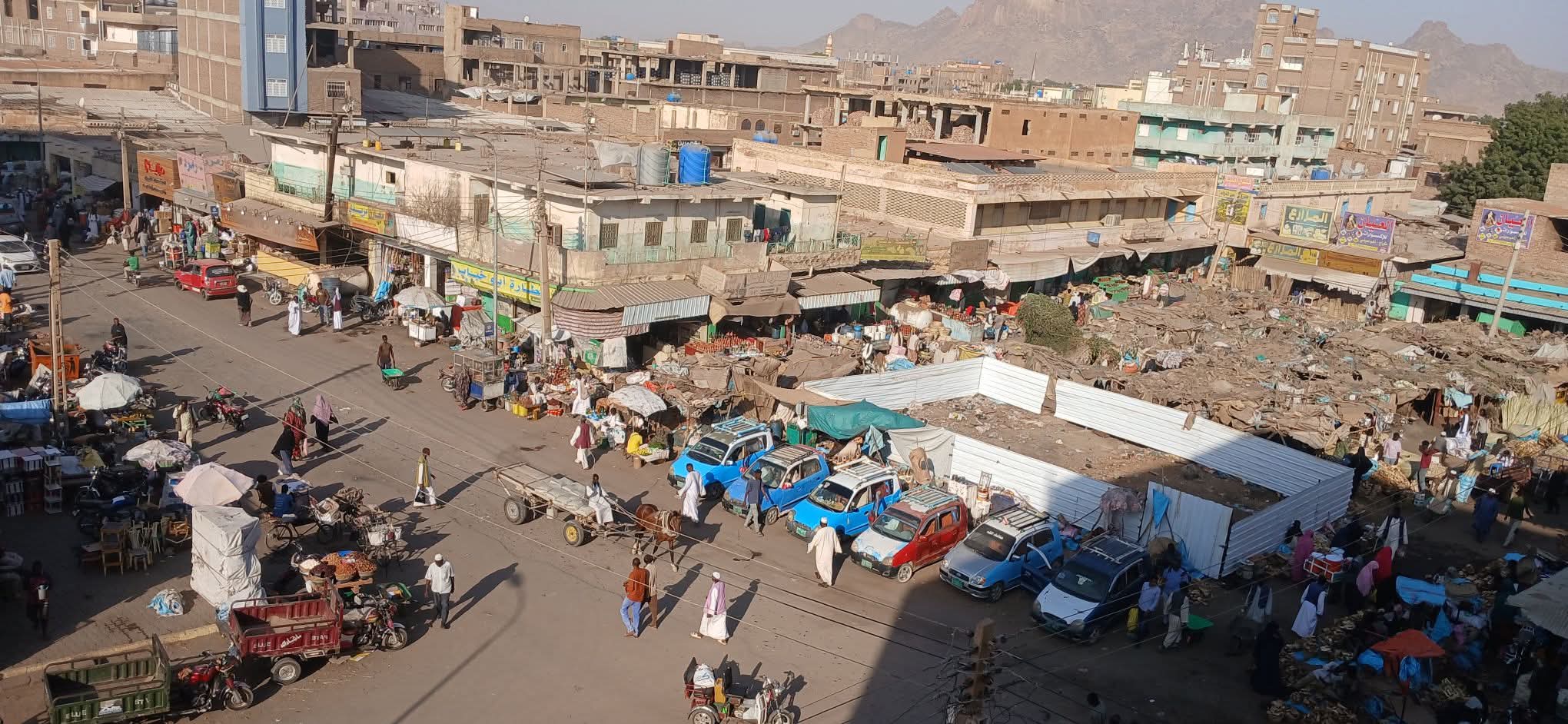
Kassala Gold Traders: Protest Parallel Market Amid Clashes
Summary
- Kassala gold traders initiated a two-day market closure to protest repeated clashes involving itinerant sellers and authorities' inaction.
- The protest followed a Monday incident near the market that escalated into assaults, injuring a passer-by, part of a pattern of similar recent episodes.
- Traders accuse itinerant sellers of creating an unregulated parallel market by offering higher prices, then manipulating weights or quantities, and trading without official invoices.
- Legitimate traders, who pay various taxes and fees, claim they lack protection and that their complaints to government bodies have gone unaddressed.
- Protesters demand urgent government regulation of gold sales outside licensed shops, an end to unregulated practices, and protection for the market to prevent further destabilization.
Kassala Gold Market Shuts Down Amid Protests
The traders' warning that the continued unchecked operation of the parallel market threatens the stability of one of Kassala's oldest gold markets serves as a critical indicator of the broader challenges facing Sudan gold market regulation and the imperative for effective governance.
Gold traders in Kassala initiated a complete market shutdown on Monday, continuing into its second consecutive day on Tuesday, in a direct protest against persistent disruptions and the perceived inaction of local authorities. The decision to close shops followed a recent incident on Monday near the market, which escalated into physical altercations and assaults, resulting in injuries to a passer-by. This was not an isolated event, as traders report similar clashes have occurred frequently in the market area over recent months.
The traders' grievances stem from the unchecked proliferation of itinerant gold sellers operating outside established shops. These mobile vendors, they contend, have fostered an unregulated parallel market that undermines legitimate businesses. Despite repeated complaints lodged with various government bodies regarding these activities and the escalating incidents, traders assert that their concerns have not received any practical response, leading them to resort to the drastic measure of a market-wide closure after exhausting all other avenues of engagement with the authorities.
This widespread protest by Kassala gold traders highlights deep-seated issues within the local gold sector. The market closure serves as a stark warning from the traders, who are demanding urgent government intervention to restore order and ensure a stable trading environment. They emphasize that the current situation, if allowed to persist, poses a significant threat to the stability of what is recognized as one of Kassala’s oldest and most vital gold markets.
Allegations of Illicit Practices and Price Manipulation
The core of the traders' frustration lies with the alleged illicit practices of the itinerant gold sellers, who are accused of creating a robust Sudan parallel gold market. These sellers reportedly entice gold owners by offering prices above the prevailing official market rates; for instance, some might offer SDG 800,000 for a gram of gold when the standard market price is approximately SDG 750,000. However, traders claim that these higher offers are often a precursor to manipulation, with allegations of itinerant sellers tampering with weights or misrepresenting the number of pieces during transactions.
Further exacerbating the problem, significant quantities of gold are reportedly being traded in this Kassala illicit gold trade without the issuance of official invoices. This practice not only distorts market prices but also severely disadvantages legitimate traders who adhere to government regulations and procedures. The lack of transparency and accountability in these parallel transactions creates an uneven playing field, making it difficult for compliant businesses to compete effectively.
Burdens on Legitimate Businesses and Regulatory Gaps
Legitimate gold shop owners in Kassala bear a substantial financial and regulatory burden, paying a multitude of fees and taxes to operate. These include standard taxes, zakat, mining fees, local-authority fees, and stamp duties, in addition to charges specifically for security services within the market complex. Despite fulfilling these obligations, traders lament the absence of adequate protection necessary to ensure stable and secure trading conditions, a fundamental expectation given their contributions.
This disparity underscores a critical failure in Sudan gold market regulation, where compliant businesses are left vulnerable to the disruptive activities of an unregulated sector. The traders' repeated appeals to government bodies regarding the conduct of itinerant sellers and the escalating incidents have, by their account, yielded no practical response. This regulatory vacuum has compelled them to take collective action, highlighting the urgent need for comprehensive oversight and enforcement to safeguard the integrity and stability of the gold trade in Kassala.
Calls for Government Action and Market Stability
The protesting Kassala gold traders are now demanding immediate and decisive government action to address the systemic issues plaguing their market. Their primary calls include the urgent regulation of gold buying and selling activities conducted outside licensed shops, a crackdown on unregulated practices, and the provision of robust protection for both the market infrastructure and its workers. This plea underscores the critical need for authorities to establish and enforce clear guidelines that govern all gold transactions, thereby curtailing the Kassala illicit gold trade.
For compliance officers and legal counsel advising businesses involved in Sudan's gold sector, these developments in Kassala signal heightened risks associated with illicit trade, potential price manipulation, and a notable lack of regulatory enforcement. The situation necessitates enhanced due diligence and the implementation of robust risk mitigation strategies for all gold transactions and supply chains originating from the region. The traders' warning that the continued unchecked operation of the parallel market threatens the stability of one of Kassala's oldest gold markets serves as a critical indicator of the broader challenges facing Sudan gold market regulation and the imperative for effective governance.
Practical Implications
Compliance officers and legal counsel advising businesses in Sudan's gold sector should note the heightened risks of illicit trade, price manipulation, and lack of regulatory enforcement in Kassala, necessitating enhanced due diligence and risk mitigation strategies for gold transactions and supply chains originating from the region.
Source
How does this affect you?
Get an AI analysis of this article grounded in your jurisdictions, practice areas, and any policy documents you've uploaded to Wansom.
Wansom is AI and can make mistakes.