
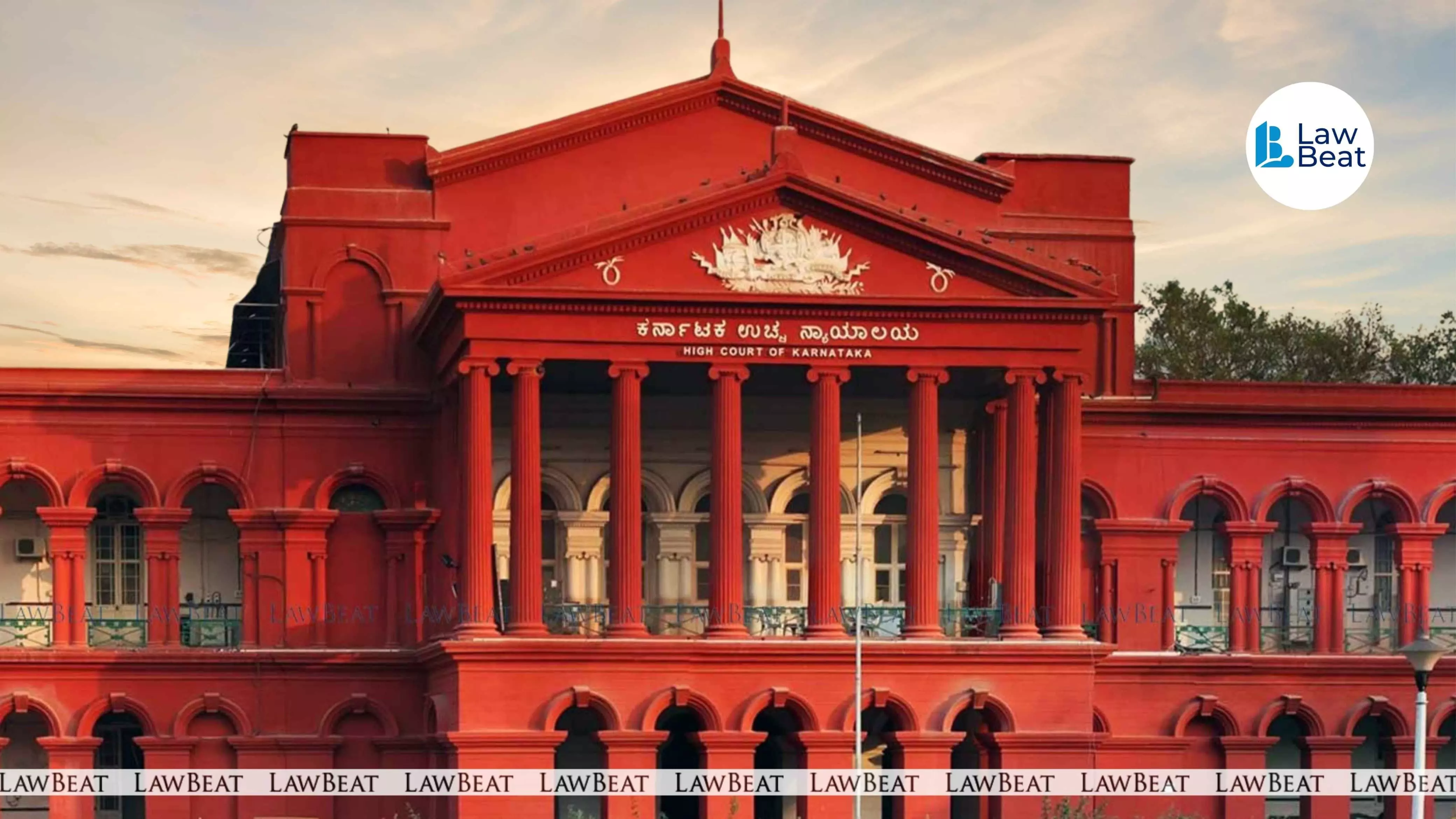
Karnataka HC: Quashes 'Pakistan Zindabad' Case Against D. S. Ravi Kumar
Summary
- The Karnataka High Court quashed criminal proceedings against D. S. Ravi Kumar for allegedly chanting "Pakistan Zindabad" at a BJP protest in December 2022.
- The court found it highly improbable that a BJP protester would intentionally raise such a slogan, suggesting it was an inadvertent utterance.
- Charges under IPC Sections 153B and 505(1)(b) were dismissed due to a two-year delay in the complaint and lack of evidence of public unrest.
- The investigation failed to identify other participants or establish any societal repercussions from the alleged slogan.
- The court concluded that continuing the case would amount to an abuse of the process of law.
Court Quashes 'Pakistan Zindabad' Case
The court found it highly improbable that participants in a BJP-organized rally would intentionally chant "Pakistan Zindabad."
The Karnataka High Court recently overturned criminal proceedings against an individual accused of uttering a pro-Pakistan slogan during a political demonstration. Justice V. Srishananda's bench quashed the case against D. S. Ravi Kumar, who faced charges under Sections 153B and 505(1)(b) of the Indian Penal Code (IPC), now corresponding to Sections 197 and 353(1)(b) of the Bharatiya Nyaya Sanhita, 2023. The incident in question occurred during a Bharatiya Janata Party (BJP) protest in Mandya in December 2022.
The court found it highly improbable that participants in a BJP-organized rally would intentionally chant "Pakistan Zindabad." This ruling effectively quashes the D. S. Ravi Kumar case, accepting the defense's argument that the words were likely an inadvertent utterance, possibly a mistake for "Pakistan Murdabad" amidst the fervor of the protest. The decision highlights the judiciary's scrutiny of cases where intent and context are crucial for establishing criminal liability.
Allegations and Legal Arguments
The complaint against Ravi Kumar was lodged by Kannambadi Kumar, who claimed to have experienced mental distress after watching a video clip of the incident on YouTube. Notably, this complaint was filed nearly two years after the alleged event. The prosecution contended that the demonstration, organized in response to a statement by Pakistan's Foreign Minister, was a context where the slogan was intended to incite unrest, and that the video evidence clearly showed the words "Pakistan Zindabad" being uttered.
However, the petitioner's counsel, advocate Vinod Kumar M, argued that the slogan was unintentional and lacked any malicious intent to disrupt societal harmony or target a specific community. He emphasized that in the heat of a political rally, such an inadvertent slogan criminal case India could arise from a simple slip of the tongue, where "Zindabad" was mistakenly substituted for "Murdabad." The court considered these rival submissions, weighing the evidence and the circumstances surrounding the alleged utterance.
Judicial Rationale and Abuse of Process
In its detailed reasoning, the Karnataka High Court pointed to several deficiencies in the prosecution's case. The court observed the significant delay of nearly two years in filing the complaint, which was based solely on a YouTube video. Furthermore, the investigating agency failed to identify other participants in the demonstration or to establish any actual societal repercussions, such as public unrest or discord among communities, resulting from the alleged slogan. This lack of evidence regarding public impact was a critical factor in the court's decision.
The court explicitly stated that the argument regarding the inadvertent utterance of "Zindabad" instead of "Murdabad" was credible. It concluded that the continuation of the criminal case, given these circumstances, was unnecessary and constituted an abuse of process of law India. The ruling underscores the high evidentiary bar required for charges under IPC Section 153B and IPC Section 505(1)(b), particularly when intent and actual public disturbance cannot be concretely proven.
Implications for Criminal Proceedings
This judgment from the Karnataka High Court sets an important precedent for challenging criminal proceedings, especially those initiated under Sections 153B and 505(1)(b) IPC (now BNS). It highlights that a significant delay in filing a complaint, coupled with a lack of concrete evidence demonstrating public unrest or malicious intent, can be grounds for quashing such cases. The court's acceptance of the inadvertent utterance argument provides a crucial defense for individuals accused of similar offenses where a genuine mistake can be plausibly argued.
Legal practitioners can leverage this ruling to advise clients on the stringent evidentiary requirements for charges related to promoting enmity or public mischief. It reinforces the principle that criminal proceedings should not continue if they amount to an abuse of process of law, particularly when the foundational elements of the offense, such as intent and actual impact, are not adequately established by the investigating authorities. The quashing of this case serves as a reminder that the judiciary will scrutinize the circumstances and evidence rigorously before allowing such sensitive matters to proceed to trial.
Practical Implications
This ruling provides a precedent for challenging criminal proceedings under Sections 153B and 505(1)(b) IPC (now BNS) where there is a significant delay in complaint, lack of evidence of public unrest, or a plausible argument for inadvertent utterance. Lawyers should advise clients on the high evidentiary bar required for such charges and consider challenging cases that appear to be an abuse of process, especially concerning intent and actual impact.
Source
Source: Original reporting via Live Law
How does this affect you?
Get an AI analysis of this article grounded in your jurisdictions, practice areas, and any policy documents you've uploaded to Wansom.
Wansom is AI and can make mistakes.