
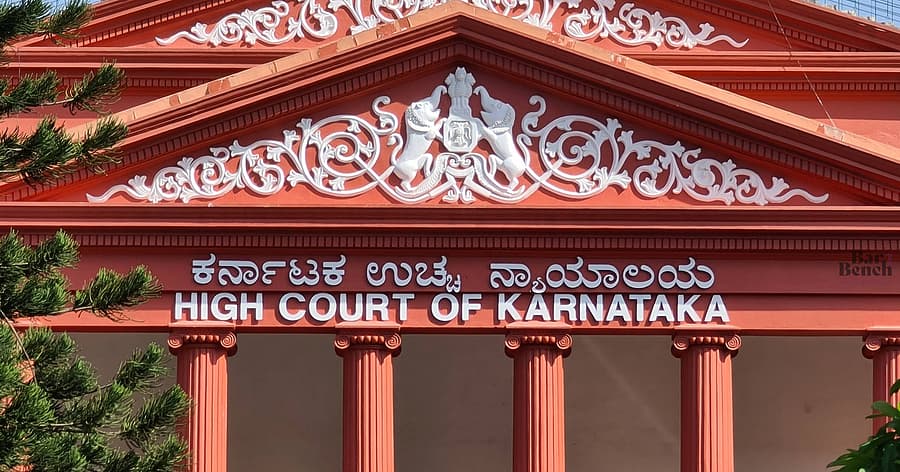
Karnataka HC: Prajashakti MD, CEO Quash Refusal for Criminal Case
Summary
- The Karnataka High Court refused to quash a criminal case against Prajashakti Channel's MD Shabbir Pasha and CEO V Kusuma.
- The case concerns a YouTube video that allegedly portrayed Deputy Chief Minister Dr G Parameshwar in a relationship with Tumakuru District Collector Shubha Kalyan IAS.
- Justice V Srishananda strongly criticized the video's language and insinuations, questioning its impact on the victims' dignity and family.
- The court highlighted that Article 21 protection for free speech does not extend to baseless allegations that harm others' reputations.
- The decision underscores potential criminal liability for media outlets making unsubstantiated claims against public figures.
Court Upholds Criminal Case Against News Channel Executives
The court underscored that the right to free expression does not grant license for baseless or malicious claims that inflict reputational damage.
The Karnataka High Court recently declined to dismiss a criminal case initiated against the managing director and chief executive officer of a Tumakuru-based news channel. The legal action stems from a YouTube video produced by the channel, which allegedly depicted Deputy Chief Minister Dr G Parameshwar as being involved in a romantic relationship with Tumakuru District Collector Shubha Kalyan IAS.
Justice V Srishananda, presiding over the case, rejected the petitions filed by Prajashakti Channel Managing Director Shabbir Pasha and CEO V Kusuma. Their plea sought to quash the ongoing criminal proceedings against them, but the court found sufficient grounds for the case to proceed.
Judicial Scrutiny of Allegations and Reputational Harm
During the hearing, the High Court expressed strong disapproval of the language and insinuations contained within the controversial video. The bench pointedly questioned the petitioners regarding the background voice in the program, which explicitly stated that the Deputy Chief Minister was romantically involved with the District Collector. Justice Srishananda challenged the petitioners, asking if they would find such statements acceptable if directed at their own family members.
The court further emphasized the potential devastating impact such allegations could have on the dignity and reputation of the Deputy Commissioner and her family, particularly her children. It was highlighted that the accused had been arrested following the collection and verification of their voice samples, indicating a thorough investigative process. The judge questioned whether the petitioners believed their role was to 'destroy other people's homes' and whether the District Collector and her family were undeserving of the same constitutional protections afforded to the petitioners.
Article 21 and Media Accountability
A central theme in the court's deliberation was the scope of Article 21 of the Constitution, which protects the right to life and personal liberty. The bench critically asked whether this protection was exclusively for the petitioners, implying that the alleged victims, including the Deputy Chief Minister and the District Collector, also possess fundamental rights to dignity and reputation. The court underscored that the right to free expression does not grant license for baseless or malicious claims that inflict reputational damage.
This ruling serves as a significant reminder regarding media liability concerning public figure allegations. The Karnataka High Court's decision to refuse the quashing petition against Prajashakti Channel executives, Shabbir Pasha and V Kusuma, reinforces the judiciary's stance against defamatory content, particularly when it targets individuals in public office and their families. It signals that those who disseminate such allegations may face criminal proceedings, highlighting the boundaries of free speech when it infringes upon the fundamental rights of others.
Practical Implications
This ruling from the Karnataka High Court serves as a critical reminder for media houses and individuals about the boundaries of free speech, particularly concerning personal allegations against public figures. It underscores that Article 21 protection for speech does not extend to baseless or malicious claims that damage reputation, signaling a robust judicial stance against such conduct and potential criminal liability for those who disseminate it. Lawyers advising media clients or individuals on public statements must consider the heightened risk of criminal proceedings for defamatory content, even against public officials.
Source
How does this affect you?
Get an AI analysis of this article grounded in your jurisdictions, practice areas, and any policy documents you've uploaded to Wansom.
Finish Reading the Full Story and the Expert Analysis.
Wansom is AI and can make mistakes.