
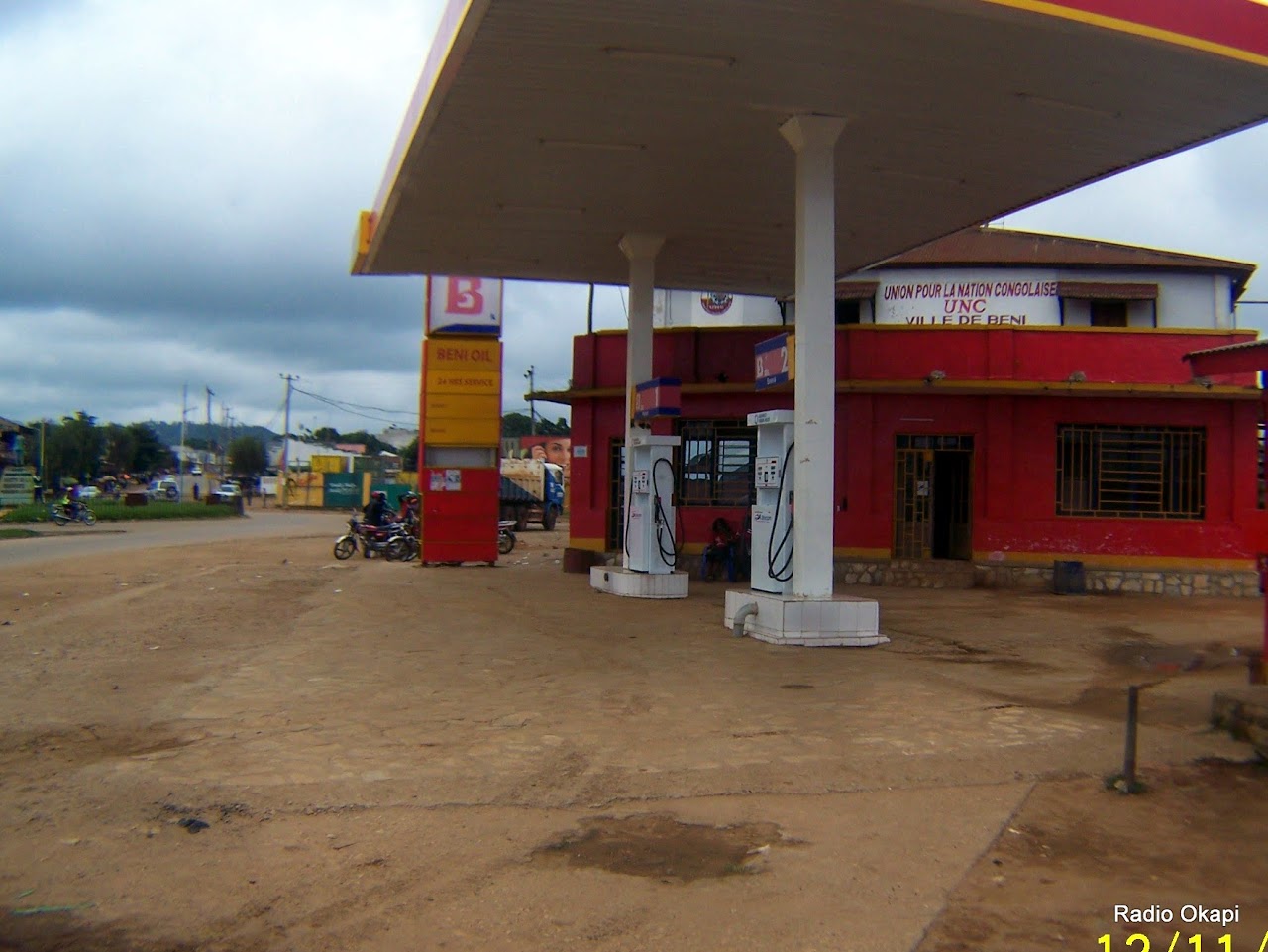
Kalemie: Stations-Service Grève Taxe DGRTANG Protests 25M Franc Hike
Summary
- Gasoline prices in Kalemie, Tanganyika province, have surged to 12,500-15,000 Congolese francs per liter from resellers as of August 23, 2026.
- This increase follows a strike by service station operators protesting a hike in the "taxe conventionnelle" from 6 million to 25 million Congolese francs.
- DGRTANG sealed several stations for non-payment of the revised tax, prompting other stations to close in solidarity since Friday.
- The crisis has led to a tripling or quadrupling of public transport fares, severely impacting residents.
- Civil society and local leaders are urging authorities to intervene and negotiate with petroleum operators to resolve the standoff.
Escalating Fuel Crisis in Kalemie
The cost of public transportation has reportedly tripled, and in some instances, even quadrupled, depending on the specific routes.
The city of Kalemie, located in Tanganyika province, is currently grappling with a severe fuel crisis, marked by a dramatic surge in gasoline prices and widespread service station closures. On Sunday, August 23, 2026, reports indicated that a liter of gasoline was being sold by resellers for an exorbitant 12,500 to 15,000 Congolese francs, equivalent to approximately 5.7 US dollars. This represents a significant increase from the previous pump price of around 4,000 francs per liter.
This critical situation stems from an ongoing grève des opérateurs pétroliers Kalemie, initiated by service station managers who are protesting what they describe as an unjustified upward revision of the "taxe conventionnelle." The dispute escalated when the Direction Générale des Recettes du Tanganyika (DGRTANG) began scellage stations-service Kalemie for alleged non-payment of this specific tax.
In a show of solidarity with the affected businesses, other service stations across Kalemie have also ceased operations since Friday, exacerbating the crise carburant Kalemie. Local sources confirm that several establishments were sealed by DGRTANG, directly contributing to the current scarcity and the soaring prix essence Kalemie hausse.
The Contested Tax Hike
At the heart of the Kalemie stations-service grève taxe DGRTANG is a contentious increase in the "taxe conventionnelle." According to local reports, this particular levy, enforced by the DGRTANG taxe conventionnelle Tanganyika, has seen an astronomical rise from 6 million Congolese francs to 25 million Congolese francs. This substantial hike is the primary grievance cited by the petroleum operators, who argue it makes their operations unsustainable.
The DGRTANG's enforcement actions, including the sealing of multiple stations for non-compliance with this revised tax, have directly triggered the widespread closures and the subsequent grève opérateurs pétroliers Kalemie. The operators' refusal to pay the newly imposed amount has led to a standoff, with significant implications for the region's economy and daily life.
Widespread Impact and Calls for Intervention
The ripple effects of the crise carburant Kalemie extend far beyond the petroleum sector, profoundly impacting public transport and the broader economy. The cost of public transportation has reportedly tripled, and in some instances, even quadrupled, depending on the specific routes. This has placed an immense burden on residents and commuters in Kalemie.
A local motorcyclist, whose livelihood depends on transport, highlighted the severe challenges, stating that he now purchases a liter of gasoline for 10,000 francs. He expressed difficulty in covering operational costs, such as vehicle payments and fuel, while also earning enough for household expenses, leading to complications with customers. Despite the escalating crisis, the Federation of Congolese Enterprises (FEC) has not yet issued a public statement or reaction.
Nathan Mugisho, president of the Umoja ni Nguvu association in Tanganyika, has urgently called for the intervention of authorities to resolve the Kalemie stations-service grève taxe DGRTANG. He urged officials to engage with economic operators, particularly those in the petroleum industry, to understand their concerns and facilitate the reopening of stations. Mugisho warned that failure to do so would lead to continued suffering for the population, making essential transport unaffordable and even hindering the supply of food items to Kalemie. The civil society has also appealed to the government and petroleum operators to find common ground to end the crisis.
Practical Implications
Lawyers advising businesses in the Tanganyika province, particularly those in the petroleum or transport sectors, should review their compliance with the 'taxe conventionnelle' and assess potential exposure to DGRTANG enforcement actions, given the significant increase in this tax and its disruptive impact on fuel supply and operations.
Source
How does this affect you?
Get an AI analysis of this article grounded in your jurisdictions, practice areas, and any policy documents you've uploaded to Wansom.
Wansom is AI and can make mistakes.