
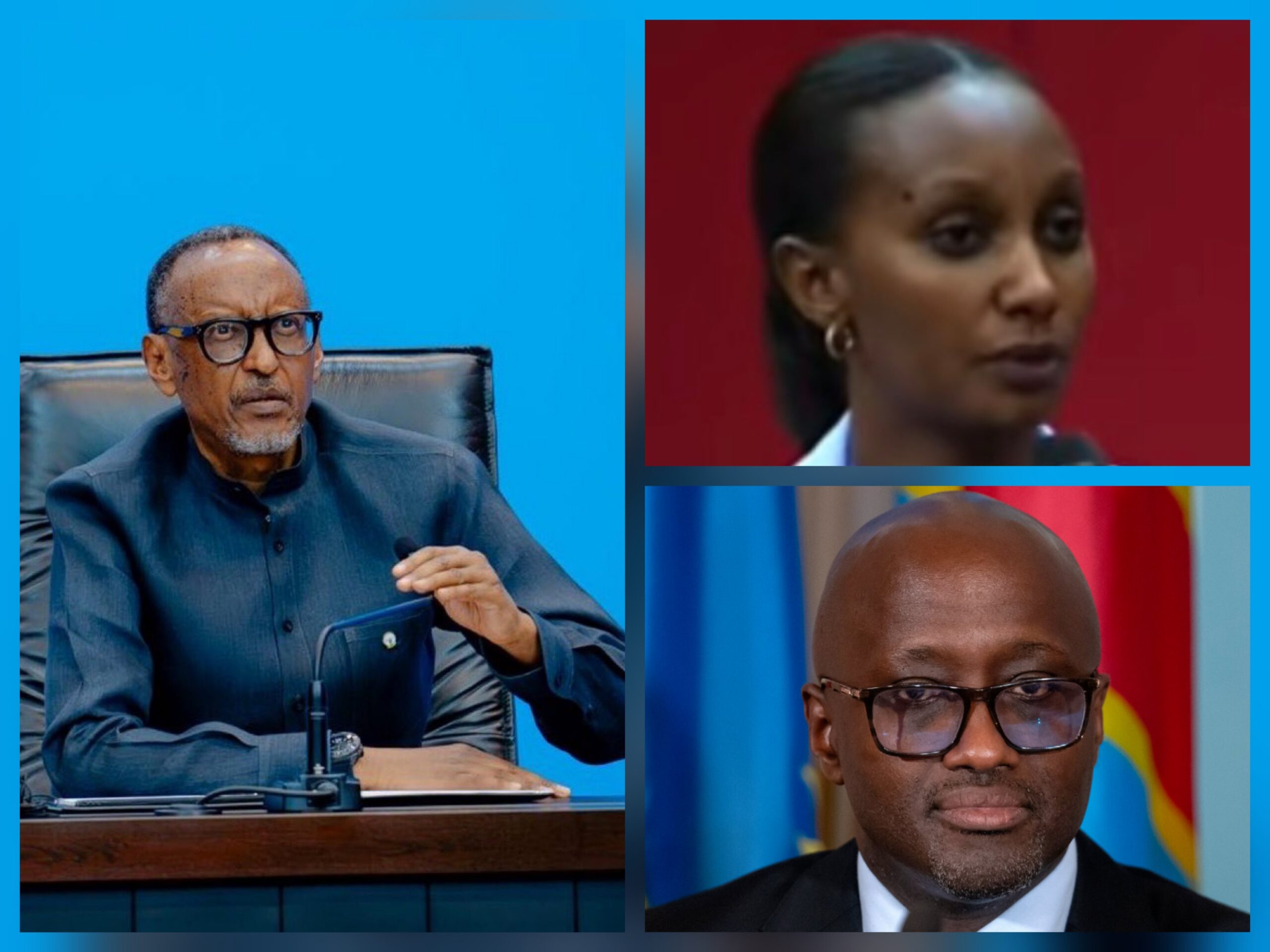
Kagame Defends Media Freedom Rwanda: Backs Journalist Scovia Umutesi
Summary
- On Monday, Rwandan President Paul Kagame publicly intervened in a dispute between journalist Scovia Umutesi and Olivier Nduhungirehe, who was then Rwanda's Foreign Minister but was removed from office on August 24, 2026.
- President Kagame explicitly sided with journalist Scovia Umutesi, marking a significant presidential stance on media relations.
- This intervention, occurring in Kigali, is considered one of his most striking public statements on the relationship between political leadership and the media.
- The President's action signals the government's position on media freedom, potentially influencing future legal interpretations and precedents for journalists in Rwanda.
Presidential Stance on Media Dispute
This public endorsement of a journalist in a dispute with a cabinet member may influence how future legal challenges involving media organizations or individual reporters are approached.
On Monday in Kigali, Rwanda, President Paul Kagame made a notable public statement concerning the dynamic between the nation's political leadership and its media sector. This intervention saw the head of state explicitly support journalist Scovia Umutesi in a disagreement involving Olivier Nduhungirehe, who was then Rwanda's Foreign Minister but was removed from office on August 24, 2026. The President's direct involvement in the Kagame Scovia Umutesi dispute marks a significant moment in the ongoing discourse surrounding press freedom within the country.
This particular instance stands out as one of President Kagame's most striking public declarations on such matters. By taking a definitive side in the contention between a working journalist and a high-ranking government official, President Kagame has underscored a particular perspective on the role and protection of media practitioners in Rwanda. His stance is being closely observed by both domestic and international observers interested in the trajectory of media relations and governance in the East African nation.
Kagame's Defense of Press Freedom
The President's decision to publicly back Scovia Umutesi is widely interpreted as a clear signal regarding his administration's approach to media operations. This Rwanda press freedom intervention by President Paul Kagame suggests a commitment to upholding certain principles of journalistic independence, even when it involves challenging figures within his own government. Such an action provides a tangible example of Paul Kagame journalist support, moving beyond mere rhetoric to direct engagement in a specific case.
This public defense of a journalist by the nation's leader serves to highlight the complex and often scrutinized relationship between state power and independent reporting in Rwanda. It reinforces the narrative that Kagame defends media freedom Rwanda, positioning the presidency as an arbiter in disputes that could otherwise be perceived as attempts to stifle critical voices. The implications of this high-level endorsement for a journalist are substantial for the broader media landscape.
Legal and Regulatory Implications
From a legal and regulatory standpoint, President Kagame's intervention could carry considerable weight. This public endorsement of a journalist in a dispute with a cabinet member may influence how future legal challenges involving media organizations or individual reporters are approached. It could potentially serve as a precedent, guiding judicial interpretations of existing press laws and regulations in favor of journalistic protections.
The President's actions signal the government's official stance on media freedom in Rwanda, which could shape future policy discussions and legislative reforms pertaining to the press. This high-profile support for Scovia Umutesi provides a strong indication that the executive branch may be inclined to support journalists in similar disputes, thereby fostering an environment where legal arguments for media freedom could find more receptive ears within the Rwandan legal system. This development is particularly relevant for understanding the evolving landscape of press rights and responsibilities under the current administration.
Practical Implications
This public intervention by President Kagame signals the government's stance on media freedom in Rwanda, which could influence future interpretations of press laws and serve as a precedent for legal arguments in disputes involving journalists or media organizations.
Source
Source: Original reporting via KT PRESS
How does this affect you?
Get an AI analysis of this article grounded in your jurisdictions, practice areas, and any policy documents you've uploaded to Wansom.
Wansom is AI and can make mistakes.