
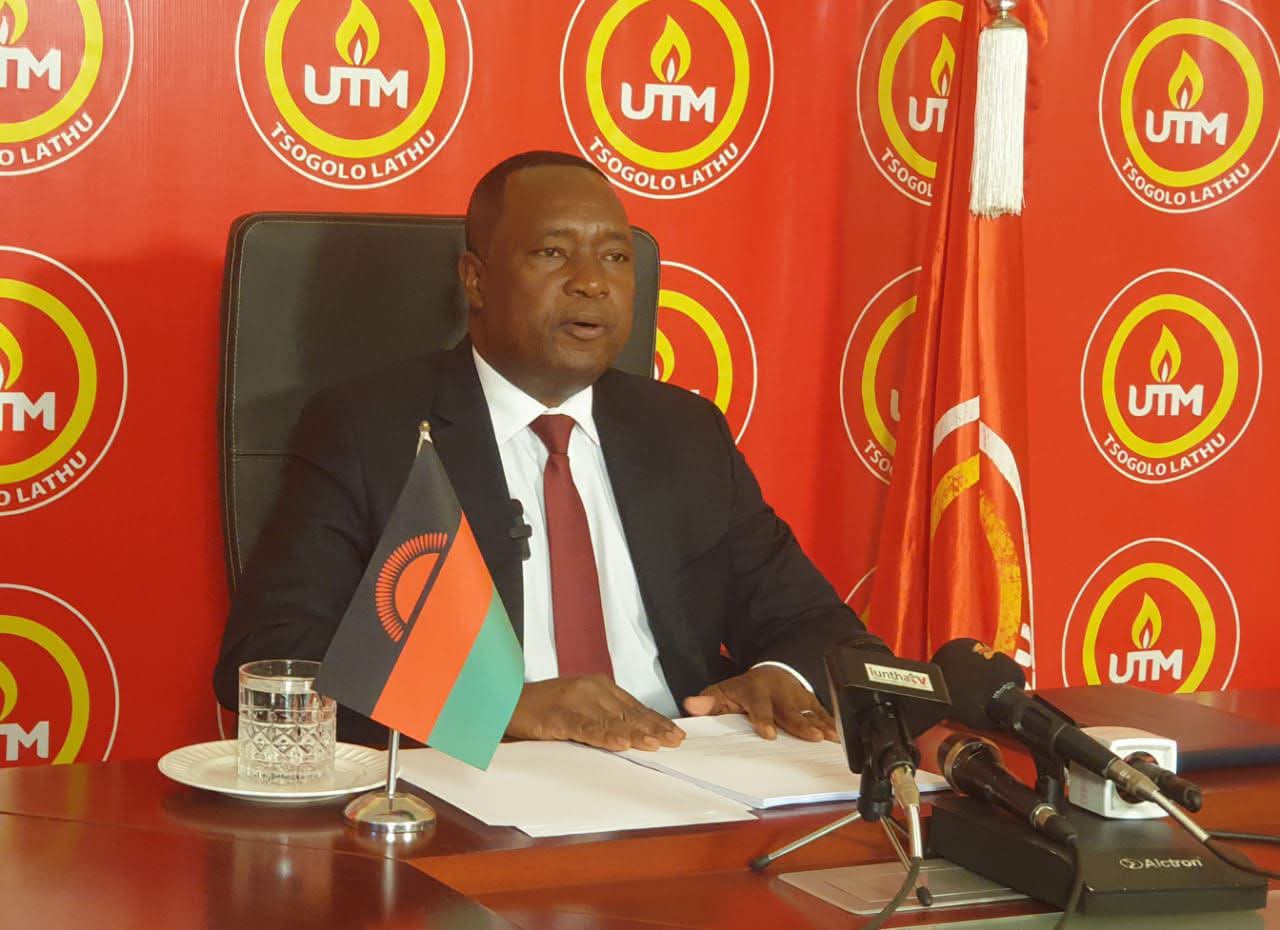
Kabambe: Malawi Water, ESCOM, Maize Scandal Allegations Surface
Summary
- UTM president Mr. Kabambe alleges widespread corruption involving billions of Kwacha across Malawian state entities.
- He claims over K20 billion is missing from Blantyre Water Board transactions and K38.8 billion from a maize import deal with Zambia.
- Further billions are reportedly unaccounted for at Southern Region Water Board, ESCOM, and NOCMA.
- Kabambe accuses the ruling DPP government of protecting individuals implicated in these corruption scandals.
- He states that this corruption directly deprives Malawians of essential medicines and critical infrastructure like roads.
Widespread Corruption Allegations Emerge
He argued that the billions of Kwacha reportedly missing from state coffers are funds that would otherwise be allocated to essential public services.
The president of the United Transformation Movement (UTM), Mr. Kabambe, has brought forth a series of grave allegations, claiming that billions of Kwacha have vanished from several key state-owned enterprises and public procurement initiatives in Malawi. His accusations paint a picture of extensive financial mismanagement and potential fraud across critical sectors, including water utilities, energy, and staple food imports, collectively pointing to a significant "Kabambe Malawi water ESCOM maize scandal."
These claims by the UTM leader highlight a perceived systemic issue within the nation's public administration, suggesting that substantial public funds intended for development and essential services are being siphoned off. The allegations are not merely about financial discrepancies but also carry a strong political undertone, as Mr. Kabambe directly implicates the ruling Democratic Progressive Party (DPP) government in shielding those responsible for these alleged corrupt activities.
Specific Financial Irregularities Detailed
Mr. Kabambe's detailed accusations include a staggering sum of over K20 billion linked to disputed transactions within the Blantyre Water Board. This particular claim underscores concerns about potential "Malawi K20 billion water board fraud" impacting a vital public service provider. The alleged financial irregularities extend beyond a single entity, with the UTM president also pointing to significant losses at the Southern Region Water Board, indicating a broader problem within the country's water sector.
Further substantial sums are reportedly missing from other critical state bodies. Mr. Kabambe alleges that K38.8 billion "disappeared" in connection with a maize import deal that involved Zambia, raising questions about the integrity of the "Zambia maize import scandal Malawi." Additionally, he claims that "further billions" are unaccounted for at the Electricity Supply Corporation of Malawi (ESCOM) and the National Oil Company of Malawi (NOCMA), adding to the growing list of "ESCOM NOCMA corruption allegations" that demand urgent investigation.
Political Shielding Accusations
A central component of Mr. Kabambe's allegations is his direct accusation against the Democratic Progressive Party (DPP) government. He asserts that the ruling party is actively protecting and shielding individuals who are implicated in these widespread corruption scandals. This claim suggests a deliberate effort by the government to prevent accountability and justice for those allegedly involved in siphoning public funds.
The UTM president's statements imply that the alleged "DPP shielding corrupt Malawi" is not merely an oversight but a conscious decision, which could have profound implications for public trust and the rule of law. Such accusations, if substantiated, would indicate a severe breakdown in governance and a lack of political will to tackle corruption at its roots, further exacerbating the challenges faced by the Malawian populace.
Impact on Malawian Citizens
Mr. Kabambe emphasized the direct and detrimental impact of this alleged corruption on the everyday lives of Malawian citizens. He argued that the billions of Kwacha reportedly missing from state coffers are funds that would otherwise be allocated to essential public services. Specifically, he highlighted that this corruption is directly depriving Malawians of access to crucial medicines and the development of vital infrastructure, such as roads.
This connection between financial malfeasance and the tangible suffering of the populace underscores the urgency and gravity of the allegations. The diversion of funds from healthcare and infrastructure projects means that ordinary Malawians are left without adequate medical care and struggle with poor transportation networks, directly hindering national development and human well-being.
Practical Implications
This article signals a heightened political and public scrutiny on corruption within Malawian state-owned enterprises and public procurement, indicating increased enforcement risk for entities operating in these sectors or involved in government contracts. Lawyers should advise clients on enhanced due diligence and compliance measures to mitigate exposure to potential investigations or reputational damage.
Source
How does this affect you?
Get an AI analysis of this article grounded in your jurisdictions, practice areas, and any policy documents you've uploaded to Wansom.
Finish Reading the Full Story and the Expert Analysis.
Get the latest legal & regulatory intelligence in Malawi
Wansom is AI and can make mistakes.