
JUSTICIA ASBL: Urges Congo to Fight Katanga Mining Fraud Networks
Summary
- JUSTICIA Asbl has called on the Congolese government to intensify its fight against mining fraud.
- The human rights organization urges authorities to target "real mafia networks" rather rather than just illegal operators.
- This demand follows government actions involving arrests of illegal miners and seizure of mineral shipments in Haut-Katanga and Lualaba.
- JUSTICIA Asbl believes current measures are insufficient to address the systemic nature of mining fraud.
- The organization's statement was issued on Saturday, November 7, 2026.
Renewed Calls for Mining Sector Accountability
The human rights group emphasized that these steps, while necessary, do not address the fundamental issue, pointing to a deeper problem that requires a more strategic and comprehensive approach from state institutions.
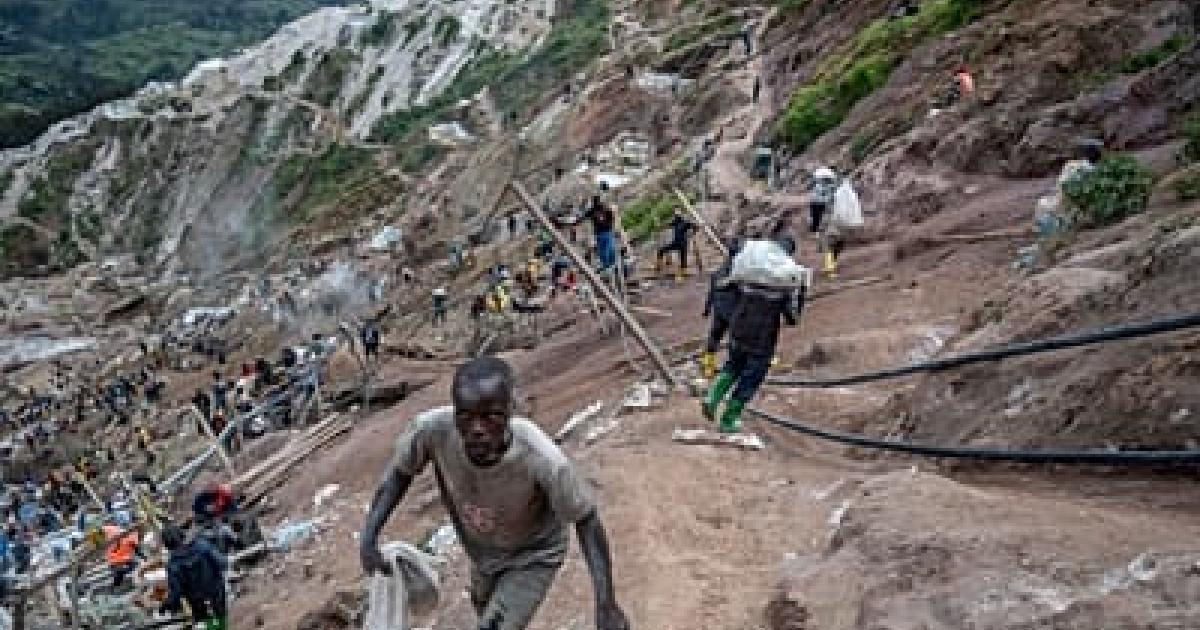
JUSTICIA Asbl, a prominent human rights defense organization, recently urged the Congolese government to intensify its efforts in combating mining fraud within the country's mineral-rich provinces. The organization specifically highlighted the need for authorities to move beyond current enforcement actions, which primarily involve the apprehension of illegal mining operators and the confiscation of illicit mineral shipments. This call to action, issued on Saturday, November 7, 2026, underscores a persistent challenge in the Democratic Republic of Congo's vital mining sector.
The human rights group acknowledged the government's ongoing measures, recognizing the arrests of individuals engaged in unauthorized mining activities and the seizure of illegally obtained minerals. However, JUSTICIA Asbl emphasized that these steps, while necessary, do not address the fundamental issue, pointing to a deeper problem that requires a more strategic and comprehensive approach from state institutions.
Specifically, the organization's appeal focuses on the Haut-Katanga and Lualaba provinces, regions known for significant mineral deposits and, consequently, for widespread illegal mining operations. JUSTICIA Asbl contends that merely targeting individual exploitants or their cargo overlooks the sophisticated structures enabling these illicit activities. This perspective suggests that the current enforcement strategy, while visible, might only be scratching the surface of a much larger, entrenched problem.
Unmasking Illicit Networks
The core of JUSTICIA Asbl's demand is for the Congolese government to actively pursue and dismantle the "real mafia networks" that orchestrate and profit from mining fraud in the DRC. This implies a systemic issue where organized groups facilitate illegal extraction, processing, and trade of minerals, often operating with a degree of impunity or through corrupt channels. The organization believes that these networks are the true drivers of the problem, making them the essential target for any effective lutte contre fraude minière.
These réseaux mafieux miniers Congo are understood to provide the logistical, financial, and protective infrastructure that allows exploitants miniers illégaux Lualaba and Haut-Katanga to operate. Without addressing these underlying structures, the human rights group argues, the cycle of illegal mining and associated illicit trade will continue, regardless of individual arrests or seizures. The focus, therefore, must shift from the visible perpetrators to the less visible, but more powerful, orchestrators.
The presence of such sophisticated criminal organizations complicates efforts to ensure transparency and legality in the mining sector. Their operations often involve complex schemes to bypass regulations, evade taxes, and exploit vulnerable populations, contributing to significant revenue loss for the state and perpetuating instability in mining communities. The call from JUSTICIA Asbl highlights the need for a robust intelligence-led approach to identify and neutralize these powerful groups.
Why This Matters for Governance and Development
The persistence of fraude minière RDC and the influence of réseaux mafieux miniers Congo have profound implications for the Democratic Republic of Congo's governance, economic development, and human rights record. When illicit networks control significant portions of the mining sector, it undermines state authority, fosters corruption, and deprives the national treasury of crucial revenues that could be invested in public services and infrastructure. This directly impacts the well-being of Congolese citizens, particularly those in mining-affected areas.
JUSTICIA Asbl's advocacy for targeting these deeper criminal structures is critical because it points to the need for a holistic approach to sector reform. Effective action against these networks would not only curb illegal mining but also enhance the rule of law, improve working conditions for miners, and ensure that the country's vast mineral wealth genuinely benefits its people. It signals a demand for accountability that extends beyond low-level actors to those who wield significant power and influence.
The organization's specific mention of Haut-Katanga and Lualaba underscores the localized yet widespread nature of this challenge. These provinces are central to the DRC's mining economy, and cleaning up their operations is vital for the country's overall economic integrity. By urging the government to pursue the "real mafia networks," JUSTICIA Asbl is advocating for a fundamental shift in strategy, one that promises more sustainable and impactful results in the ongoing lutte contre fraude minière.
Practical Implications
Lawyers and compliance officers advising clients in the DRC's mining sector, particularly in Haut-Katanga and Lualaba, should be aware of increased government scrutiny and enforcement actions against illegal mining and associated 'mafia networks'. Clients should review their supply chain due diligence and operational compliance to mitigate risks of association with illicit activities or facing investigations.
Source
How does this affect you?
Get an AI analysis of this article grounded in your jurisdictions, practice areas, and any policy documents you've uploaded to Wansom.
Wansom is AI and can make mistakes.