
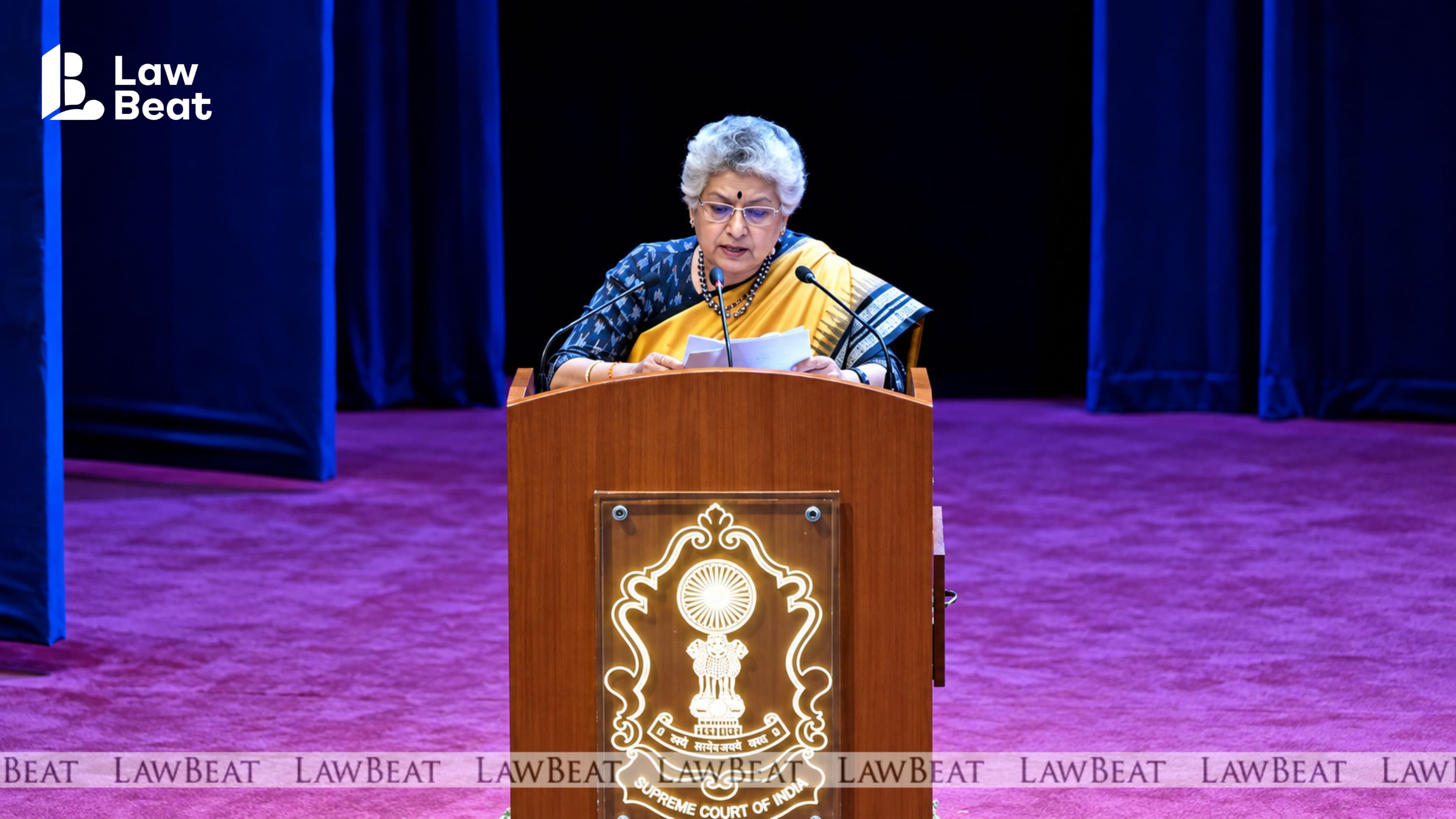
Justice BV Nagarathna: JJ Act 2015 Implementation 'Largely Failed'
Summary
- Justice BV Nagarathna stated that the Juvenile Justice (Care and Protection of Children) Act, 2015, is largely unimplemented a decade after its enactment.
- She highlighted a significant 55% pendency rate before Juvenile Justice Boards and the problem of incomplete benches.
- Justice Nagarathna emphasized that merely disposing of a case does not ensure a child's rehabilitation.
- She stressed the critical need for caution, expertise, and sensitivity in conducting preliminary assessments under Section 15 of the Act.
- The Supreme Court Justice underscored that Juvenile Justice Boards are not miniature criminal courts but are designed to recognize children's capacity for development and change.
Critical Assessment of JJ Act Implementation
A decade after its enactment, the Juvenile Justice (Care and Protection of Children) Act, 2015, despite its progressive intent, remains largely a statutory promise yet to fully materialize on the ground.
Justice BV Nagarathna of the Supreme Court recently delivered a stark assessment of the Juvenile Justice (Care and Protection of Children) Act, 2015, stating that a decade after its enactment, the legislation's promise of reform for children has largely failed to materialize on the ground. Speaking at the National Annual Stakeholders Consultation, Justice Nagarathna emphasized that while the law exists, its practical implementation remains a significant challenge, suggesting that it is predominantly
Foundational Principles and Philosophical Dilemmas
The Juvenile Justice (Care and Protection of Children) Act, 2015, was enacted following intense public debate surrounding serious offenses committed by adolescents, yet it maintains rehabilitation, social integration, family-based care, and the best interest of the child as its core objectives. Justice Nagarathna highlighted Section 3 as the provision that underpins the entire statute, outlining crucial principles such as the presumption of innocence, the best interest of the child, privacy and confidentiality, and the importance of restoration and repatriation.
She articulated that the most complex issue raised by the Act is whether a child in conflict with the law should be treated as an adult. This question, she noted, represents a delicate fault line within India's criminal justice system, where the public's anxiety about crime clashes with constitutional commitments to childhood, and the impulse for punishment contends with the philosophy of reform. The Supreme Court Justice stressed that the law, at its essence, must reflect a belief in the possibility of growth, change, and reintegration for every child.
Furthermore, Justice Nagarathna clarified the distinct role of the Juvenile Justice Board (JJB), asserting that it is not intended to function as a miniature criminal court. Instead, its purpose is rooted in a philosophy that acknowledges children's inherent capacities for development and change, requiring the justice system's response to seriously consider this developmental reality. She underscored the societal obligation to children, stating that adults must not be dismissive of their concerns, as the true measure of a society lies in how it treats its youngest members.
Systemic Hurdles and Preliminary Assessment Scrutiny
Among the significant JJ Act 2015 implementation challenges identified by Justice Nagarathna is the alarming 55% pendency rate before Juvenile Justice Boards across India. This high rate of pending cases, coupled with the issue of incomplete benches, indicates a systemic bottleneck that hinders the timely and effective resolution of matters involving children. She cautioned that merely disposing of a case does not equate to the successful rehabilitation of a child, pointing to a deeper disconnect between legal process and desired outcomes.
A critical area of concern highlighted was the preliminary assessment under Section 15 of the Juvenile Justice (Care and Protection of Children) Act, 2015. This section governs the assessment of children aged sixteen and above who are alleged to have committed heinous offenses. Justice Nagarathna questioned whether these assessments are consistently undertaken with the requisite caution, expertise, and sensitivity demanded by the statute, suggesting potential shortcomings in this crucial procedural step.
The ongoing challenges in the effective implementation of the Juvenile Justice (Care and Protection of Children) Act, 2015, underscore the urgent need for comprehensive reforms. Despite its progressive framework, the Act's full potential to safeguard and rehabilitate children in conflict with the law remains hampered by operational deficiencies and the need for greater adherence to its foundational principles.
Practical Implications
Lawyers practicing in juvenile justice must note the Supreme Court's concerns regarding the 55% pendency before Juvenile Justice Boards and the need for caution and expertise in Section 15 preliminary assessments. This highlights potential systemic weaknesses and procedural scrutiny points for cases involving children in conflict with the law, informing litigation strategy and client advice.
Source
How does this affect you?
Get an AI analysis of this article grounded in your jurisdictions, practice areas, and any policy documents you've uploaded to Wansom.
Finish Reading the Full Story and the Expert Analysis.
Get the latest legal & regulatory intelligence in India
Wansom is AI and can make mistakes.