
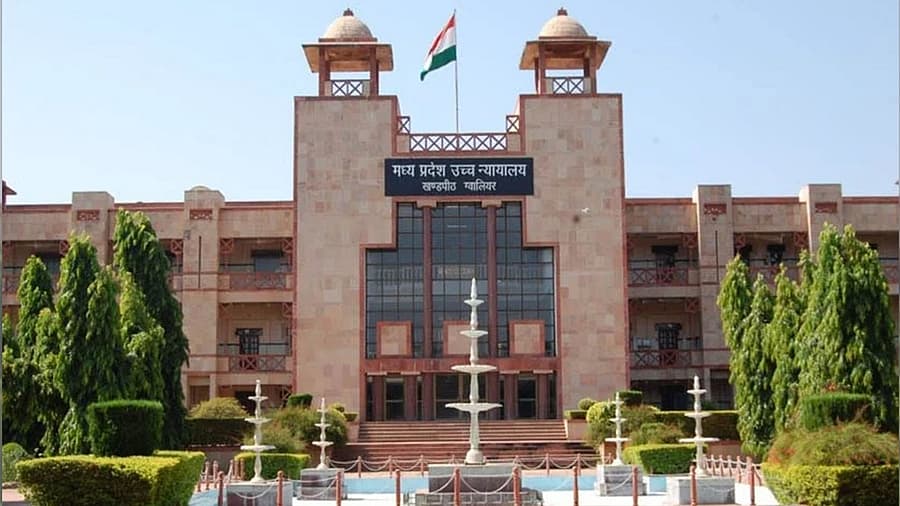
Supreme Court Collegium: Justice AY Kogje Madhya Pradesh Chief Justice Recommendation
Summary
- Justice Alpesh Yeshvant Kogje has been recommended by the Supreme Court Collegium to become the Chief Justice of the Madhya Pradesh High Court.
- The recommendation was made on August 31, with Justice Kogje currently serving as a judge of the Gujarat High Court.
- He holds a law degree from Maharaja Sayajirao University of Baroda and has extensive experience in civil and criminal matters.
- Justice Kogje previously served as an Additional Public Prosecutor and Special Public Prosecutor for the SIT, handling cases from the 2002 Godhra riots.
- The Madhya Pradesh High Court currently operates with 45 judges against a sanctioned strength of 53.
Judicial Leadership Change Proposed
Lawyers practicing in or with matters before the Madhya Pradesh High Court should be aware of the impending change in judicial leadership, as the new Chief Justice may influence court administration, case allocation, and potentially the judicial approach to specific legal areas within the court's jurisdiction.
The Supreme Court Collegium has put forth a significant recommendation for the leadership of the Madhya Pradesh High Court. In a meeting held on August 31, the Collegium proposed Justice Alpesh Yeshvant Kogje for appointment as the Chief Justice of the Madhya Pradesh High Court. This recommendation signals an impending change at the helm of one of India's prominent High Courts.
Justice Kogje currently serves as a judge on the Gujarat High Court. His proposed elevation to Chief Justice of the Madhya Pradesh High Court follows a rigorous selection process by the Supreme Court Collegium, which is responsible for judicial appointments and transfers across the country. The Justice AY Kogje Madhya Pradesh Chief Justice recommendation is a key development for the state's judiciary.
Justice Kogje's Distinguished Career
Justice Kogje brings a wealth of experience to his prospective new role. His academic journey began with a B.Sc. in Chemistry, which he completed in 1990. He subsequently pursued legal studies, earning his law degree from the Faculty of Law at Maharaja Sayajirao University of Baroda in 1993, the same year he commenced his practice at the Bar.
Throughout his career as a legal counsel, Justice Kogje developed a robust practice, specializing in both civil and criminal matters before the High Court. His professional trajectory includes several key public service roles, such as serving as an Additional Public Prosecutor from 2002 to 2007. He also acted as Standing Counsel for the Central Excise and Customs Department and held the position of Special Public Prosecutor for the Special Investigation Team (SIT), where he notably managed a substantial caseload of important matters stemming from the 2002 Godhra riots. His judicial career began with his elevation as an Additional Judge of the Gujarat High Court in April 2016, followed by his appointment as a permanent judge in March 2018, marking a significant Gujarat High Court judge appointment.
Addressing Judicial Vacancies and Court Strength
The recommendation for Justice Kogje comes at a time when the Madhya Pradesh High Court is operating with a notable gap in its judicial strength. The court currently functions with 45 judges, while its sanctioned strength is considerably higher at 53. The appointment of a new Chief Justice is a crucial step in ensuring effective court administration and potentially addressing the existing vacancies.
As the head of the judiciary in the state, the Madhya Pradesh High Court Chief Justice plays a pivotal role in managing the court's operations, including the allocation of cases and the overall functioning of the judicial system. This appointment is part of the ongoing efforts by the Supreme Court Collegium recommendations to fill leadership positions and strengthen the High Courts across the nation.
Implications for the Madhya Pradesh Judiciary
The arrival of a new Chief Justice can have profound implications for the functioning and direction of the Madhya Pradesh High Court. A change in judicial leadership often leads to new administrative policies, adjustments in case allocation strategies, and potentially a refreshed judicial approach to various legal areas within the court's jurisdiction. This shift can influence the efficiency and focus of the court's proceedings.
Lawyers practicing in or with matters before the Madhya Pradesh High Court should be aware of the impending change in judicial leadership, as the new Chief Justice may influence court administration, case allocation, and potentially the judicial approach to specific legal areas within the court's jurisdiction. Such appointments are integral to the dynamic nature of the judicial system, shaping its future trajectory and impact on legal practice.
Practical Implications
Lawyers practicing in or with matters before the Madhya Pradesh High Court should be aware of the impending change in judicial leadership, as the new Chief Justice may influence court administration, case allocation, and potentially the judicial approach to specific legal areas within the court's jurisdiction.
Source
How does this affect you?
Get an AI analysis of this article grounded in your jurisdictions, practice areas, and any policy documents you've uploaded to Wansom.
Finish Reading the Full Story and the Expert Analysis.
Wansom is AI and can make mistakes.