
Judge Engelmayer Orders Pentagon OLC Memo Disclosure for Boat Strikes
Summary
- U.S. District Judge Paul Engelmayer ordered the Pentagon and Justice Department to submit a September 2025 Office of Legal Counsel memo for his review.
- The memo purportedly provides the legal justification for lethal boat strikes conducted by the Trump administration in the Caribbean Sea and Pacific Ocean.
- Judge Engelmayer rejected the government's claims of deliberative process and attorney-client privilege for the document.
- The judge will personally assess the memo before deciding on its public release, while also seeking more information on presidential communications privilege.
- The ongoing boat strikes, aimed at drug smugglers, have reportedly resulted in at least 70 incidents and over 200 deaths since the fall of 2025.
Court Mandates Disclosure of Pentagon OLC Memo
By rejecting key privilege claims and opting for an in camera review, the court has signaled a robust judicial oversight of sensitive government documents, especially when their contents are publicly invoked to justify controversial operations.
A federal judge has ordered the Pentagon to present a highly sensitive legal memorandum that purportedly justifies a series of lethal boat strikes conducted by the Trump administration in the Caribbean Sea and Pacific Ocean. U.S. District Judge Paul Engelmayer, an appointee of former President Barack Obama, issued the directive on Wednesday, requiring the Department of Defense and the Department of Justice to submit the document for his personal review within two weeks. This ruling comes after the American Civil Liberties Union (ACLU) and the Center for Constitutional Rights (CCR) filed a Freedom of Information Act (FOIA) lawsuit in December 2025, seeking access to the memo after their initial requests were denied.
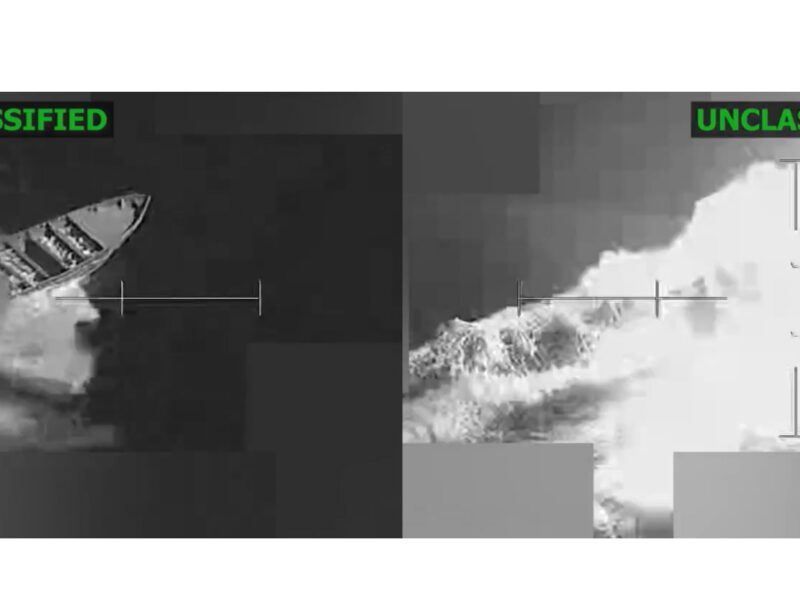
The document in question is a September 2025 memorandum from the Justice Department’s Office of Legal Counsel (OLC), which the Trump administration has cited as the legal basis for its ongoing operations targeting suspected drug smugglers. These operations, which began in the fall of 2025 and have continued for months, have reportedly resulted in at least 70 strikes and more than 200 deaths. One specific incident cited involved Joint Task Force Southern Spear conducting a lethal drone rocket strike on a suspected narco-terrorist cartel boat in the Eastern Pacific Ocean on November 15, 2025. The administration had initially claimed various privileges to withhold the OLC memo from public view.
Privilege Claims Face Judicial Scrutiny
In a comprehensive 66-page ruling from the Southern District of New York, Judge Engelmayer largely rejected the government's arguments for keeping the OLC memo confidential. He specifically dismissed claims of deliberative process privilege and attorney-client privilege. The judge found that the deliberative process privilege was inapplicable because executive branch officials had repeatedly and publicly invoked the OLC memo as the foundation for the lawfulness of the boat strikes, thereby undermining the confidentiality typically associated with this privilege.
Furthermore, the court disagreed with the government's assertion of attorney-client privilege, noting that the memo had been shared with individuals outside the traditional attorney-client relationship, including some members of Congress. This external dissemination, according to the ruling, negated the basis for claiming attorney-client protection. While rejecting these two key privilege claims, Judge Engelmayer acknowledged that the existing record did not allow him to definitively resolve whether the agencies had waived their right to invoke presidential communications privilege, which protects correspondence among the president’s inner circle. He has therefore ordered the agencies to provide additional information to help him resolve this remaining question.
Controversial Operations and Public Interest
The ongoing lethal boat strikes have generated significant controversy and raised profound questions regarding the administration's authority and targeting protocols. Critics have highlighted concerns about how the government identifies vessels for attack and whether such actions align with international and domestic legal standards, particularly given that the United States military is generally not permitted to target civilians who do not pose an imminent threat of violence. Detractors have even decried the strikes as potential war crimes, underscoring the urgency of understanding their legal underpinnings.
The ACLU and CCR initiated their lawsuit to shed light on these operations, with Jeffrey Stein, a staff attorney with the ACLU’s National Security Project, stating in December 2025 that the public deserves to know how the government justifies what he termed the 'cold-blooded murder of civilians.' Congressional review of the OLC memo also sparked alarm, with several members reportedly disturbed by its findings. Senator Adam Schiff, a Democrat from California, remarked in November after reviewing the document that if its opinion were adopted, 'it would not constrain any use of force anywhere in the world,' adding that it was 'broad enough to authorize just about anything.'
Implications for Government Transparency and National Security Law
Judge Engelmayer's decision to order the Pentagon OLC memo disclosure marks a significant moment for government transparency, particularly concerning US national security law and executive branch legal justifications. By rejecting key privilege claims and opting for an in camera review, the court has signaled a robust judicial oversight of sensitive government documents, especially when their contents are publicly invoked to justify controversial operations. This ruling sets a precedent for challenging government privilege claims, including deliberative process privilege rejection, in FOIA requests related to national security actions.
The outcome of Judge Engelmayer's review will determine whether the public gains insight into the legal rationale behind the lethal boat strikes. The potential disclosure of this Office of Legal Counsel memo could offer critical transparency into how the executive branch interprets its authority to conduct military-style operations abroad, particularly those resulting in significant casualties. This case underscores the judiciary's role in balancing national security interests with the public's right to know, potentially influencing future debates on executive power and accountability in foreign policy and military engagements.
Practical Implications
This ruling sets a precedent for challenging government privilege claims (deliberative process, attorney-client) in FOIA requests concerning national security operations. Lawyers advising on government transparency or national security law should note the court's scrutiny of executive branch legal justifications and the potential for disclosure of sensitive OLC memos.
Source
How does this affect you?
Get an AI analysis of this article grounded in your jurisdictions, practice areas, and any policy documents you've uploaded to Wansom.
Finish Reading the Full Story and the Expert Analysis.
Get the latest legal & regulatory intelligence in United States
Wansom is AI and can make mistakes.