
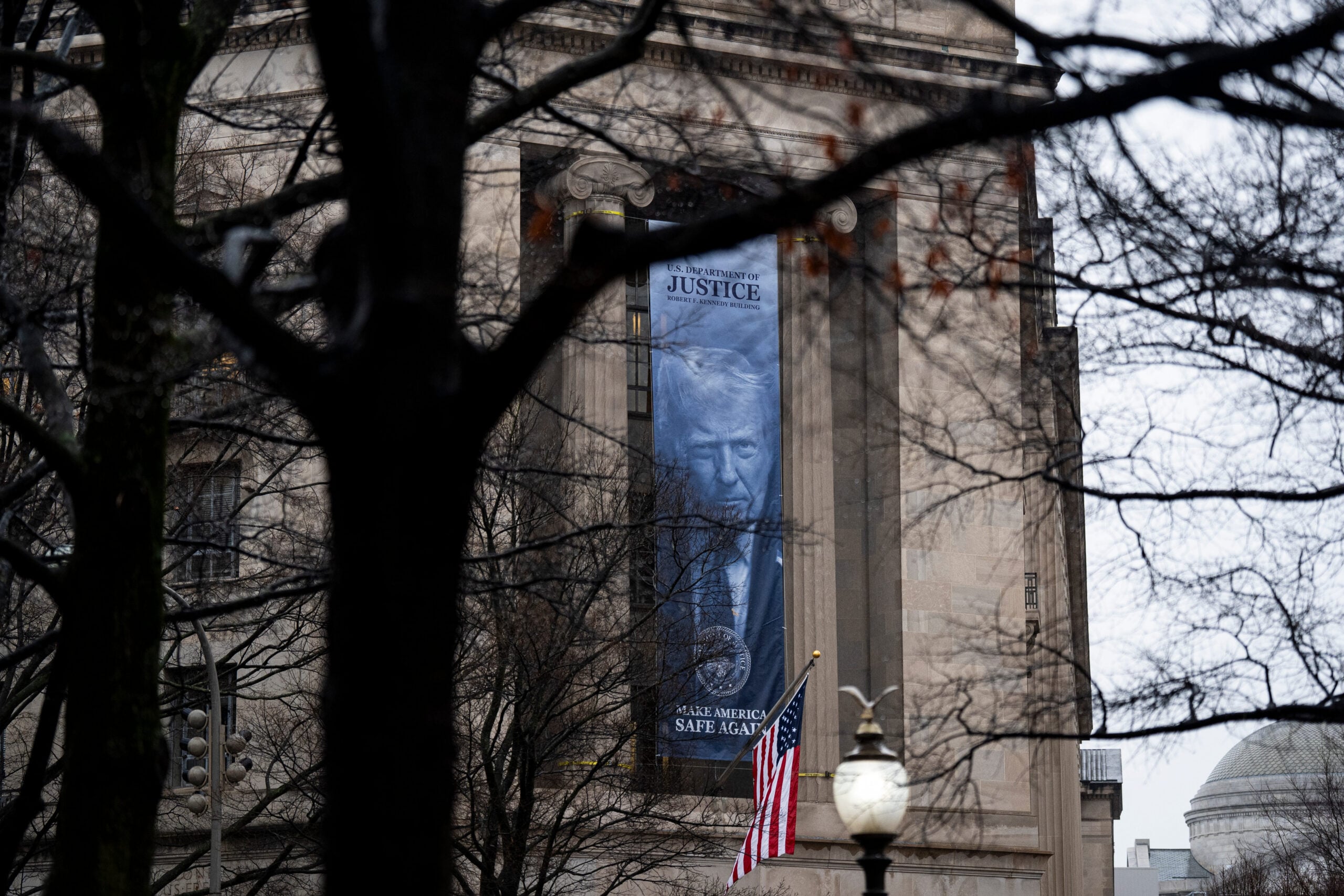
Judge Amir Ali Orders Trump Admin to Reveal Biglaw Executive Order Authors
Summary
- Federal judge orders Trump administration to disclose names of individuals involved in drafting executive orders targeting Biglaw firms.
- Administration refuses to comply, citing secrecy surrounding authors of executive orders.
- Judge Amir Ali's order may set a new standard for disclosure of executive order authors and custodians of related records.
What Happened
The administration would rather not. disclose the names of those involved in drafting the executive orders.
A federal judge, Judge Amir Ali, ordered the Trump administration to disclose the names of individuals involved in drafting and reviewing executive orders targeting Biglaw firms. The order was part of a lawsuit filed by the American Bar Association (ABA) over the campaign to blacklist disfavored law firms. The ABA had requested that the government provide basic information about the individuals who worked on the executive orders, including their names and roles. However, the administration refused to comply with the request, citing secrecy surrounding the authors of the executive orders.
Legal Context
The Trump administration's refusal to disclose the names of those involved in drafting the executive orders is unusual, as such information is typically disclosed through privilege logs in civil discovery. Privilege logs are used to identify individuals who have worked on sensitive documents and records, allowing parties to determine which communications may be subject to attorney-client privilege. The administration's secrecy surrounding the authors of the executive orders has raised questions about transparency and accountability in government decision-making.
Why It Matters
The Trump administration's refusal to disclose the names of those involved in drafting the executive orders may set a new standard for disclosure of executive order authors and custodians of related records. Lawyers should watch for potential precedent in Judge Amir Ali's order, which could have far-reaching implications for transparency and accountability in government decision-making. The case highlights the importance of civil discovery in uncovering information about government actions and decisions.
Practical Implications
Lawyers should watch for potential precedent in Judge Amir Ali's order, which may set a new standard for disclosure of executive order authors and custodians of related records.
Source
How does this affect you?
Get an AI analysis of this article grounded in your jurisdictions, practice areas, and any policy documents you've uploaded to Wansom.
Wansom is AI and can make mistakes.