
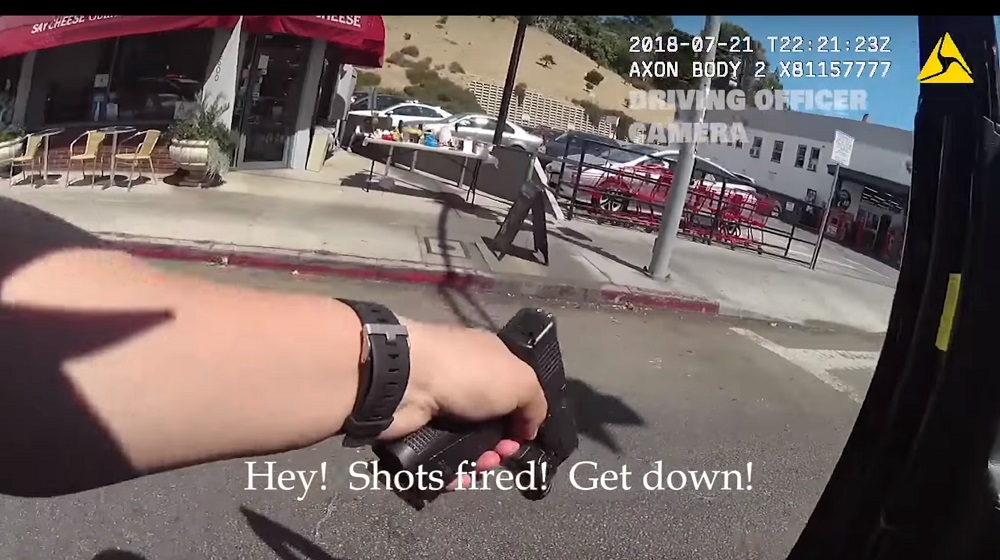
Gene Atkins Trader Joe's Police Shooting Convicted of Second-Degree Murder
Summary
- Gene Atkins was found guilty of second-degree murder in a second trial.
- The conviction was made possible by the application of the 'provocative act' legal theory.
- Atkins was already convicted of attempted murder, grand theft, and kidnapping in his first trial.
- Melyda Corado's father, Albert, expressed disappointment with the decision to retry Atkins.
- The case sets a precedent for future cases involving police shootings.
Second Trial Ends in Guilty Verdict for Gene Atkins
We thought it was clear that the defendant caused the situation that ultimately led to Ms. Corado’s death,” said the jury foreman.
A jury found Gene Atkins guilty of second-degree murder on Tuesday, bringing closure to a case that has been ongoing since June. The verdict was the result of a second trial, which was held after the first jury deadlocked on the murder charge. Despite the change in outcome, Albert Corado, the father of Melyda Corado, who was killed in the police shooting, expressed his disappointment with the decision not to retry Atkins earlier. He stated that he never asked prosecutors to try Atkins again and felt that they were 'sore losers' for pursuing a second trial.
Legal Context: Provocative Act Theory
The conviction of Gene Atkins was made possible by the application of the 'provocative act' legal theory. This theory holds that a defendant can be held responsible for the natural and probable consequences of their actions, even if it was not their direct intent. In this case, prosecutors argued that Atkins' actions led to the death of Melyda Corado, and therefore he should be held accountable for her killing. The jury ultimately agreed with this assessment, finding Atkins guilty of second-degree murder.
Why It Matters: Implications for Future Cases
The conviction of Gene Atkins has significant implications for future cases involving police shootings. The application of the 'provocative act' theory in this case sets a precedent that may be used in similar situations. Lawyers will need to carefully consider the potential consequences of their clients' actions and how they may be held accountable under this legal theory. As the case law continues to evolve, it is likely that we will see more cases involving police shootings being tried using this approach.
Practical Implications
Lawyers should note the 'provocative act' legal theory used to convict Atkins, which holds that a defendant can be held responsible for the natural and probable consequences of their actions, even if it was not their direct intent. This precedent may have implications for future cases involving police shootings.
Source
How does this affect you?
Get an AI analysis of this article grounded in your jurisdictions, practice areas, and any policy documents you've uploaded to Wansom.
Wansom is AI and can make mistakes.